Contents
- What happened
- How they were caught
- Why the sheep needed help
- How the shearing went
- What's happening to the sheep and wool now
- Famous predecessors
- Why sheep need shearing
- Why an unshorn fleece is dangerous
- How to tell a sheep is overheating
- What people with small flocks should remember
- If you bought sheep as lawnmowers
- What to do if a sheep escapes
- What life in the wild does to sheep
- Shearing without stress
- What to do with wool from a small flock
- Other animals that need clipping
- Who looks after welfare in New Zealand
- How to prepare sheep for shearing
- Life after rescue
- What this means for Europe
- When to see a vet
What happened
On 3 November 2026 New Zealand's public radio broadcaster RNZ reported the rescue of two sheep in the Hawke's Bay region of the North Island. The animals had long been living alone on steep, rugged Te Mata Peak. Earlier attempts to drive them down had failed, but several months ago the sheep were spotted on the ridge again, and a team set out after them.
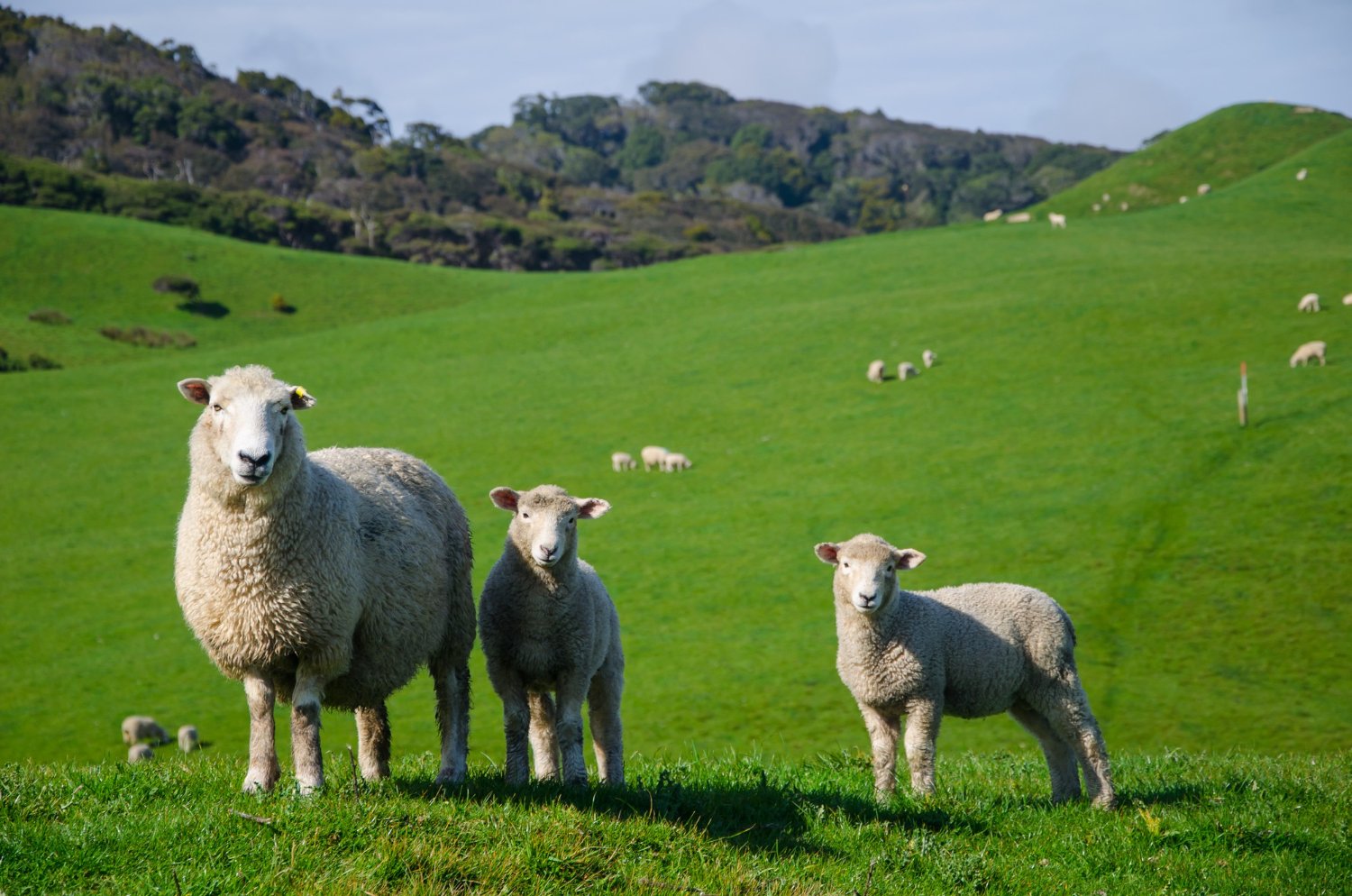
Jade Van Syp, an inspector with the SPCA in Napier, told the Checkpoint programme that the sheep looked like huge clouds of wool: their legs couldn't be seen, the wool reached the ground, and each looked like two or three sheep stuck together.
RNZ; 3 November 2026
How they were caught
Many people assured the inspector that these sheep couldn't be caught. But a local farmer was confident. He climbed above the sheep and began driving them down to where the others were waiting. An inspector from the Ministry for Primary Industries brought one sheep down with a proper rugby tackle, and the second simply sat down and gave up. Van Syp said it all turned out to be surprisingly simple once the first had been caught.
Why the sheep needed help
The main threat was overheating. Summer in Hawke's Bay is hot, and Van Syp says she was very worried as the sunny days began. Unlike their wild ancestors, domestic sheep can't shed their wool themselves, and it keeps growing without stopping. A fleece several times thicker than normal becomes an overheating coat that the animal can't take off.
How the shearing went
One of the helpers turned out to be a former shearer, who volunteered. SPCA staff held the sheep, and the wool came off fairly quickly. According to the inspector, the animals were in decent shape under the wool, even a little well fed, and closer to the skin the wool was fairly clean. Runaways like these usually turn out to have far more serious problems.
What's happening to the sheep and wool now
The farmer who helped with the capture has taken the sheep in, so they'll no longer have to live alone on the mountain. The wool will go to a local company. As Van Syp said, it mustn't go to waste, and plenty can be made from it.
Famous predecessors
This isn't New Zealand's first story of this kind. A sheep called Shrek, who hid in caves for several years and was found in 2004 with a huge fleece, became a national celebrity, and his shearing was shown on television. In Australia in 2021 a sheep called Baarack was found, and about 35 kilograms of wool were taken off him. Both animals were saved in time.
Why sheep need shearing
Domestic sheep were bred for wool and hardly shed at all. If a sheep isn't shorn, the wool keeps growing and gets wet, heavy and dirty. Shearing is usually done once a year, before hot weather begins. Some breeds, known as shedding sheep, lose their wool themselves and don't need shearing. Find out about your breed before you buy sheep.
Why an unshorn fleece is dangerous
Excess wool prevents cooling, gets soiled with dung and urine and attracts flies. In summer, flies lay eggs in dirty wool and their larvae eat living tissue, which is a very serious condition. A heavy, wet sheep can fall on its back and be unable to get up, and thick wool over the eyes makes it blind. Sometimes the wool even gets in the way of moving and eating properly.
How to tell a sheep is overheating
An overheated sheep breathes with its mouth open, trembles, stands in the shade, doesn't eat, falls behind the flock and may then collapse. In hot weather provide shade and clean water, and don't move animals in the hottest hours. Move a sheep showing signs of overheating to a cool place, slowly pour water over its legs and belly, and call the vet.
What people with small flocks should remember
- Shear your sheep every year, even if you only have two.
- Find a shearer early: they're busy in spring.
- Trim around the eyes and tail, especially in fly season.
- Check their feet and trim them when needed.
- Treat for parasites to a plan agreed with your vet.
If you bought sheep as lawnmowers
More and more people keep a couple of sheep instead of a lawnmower. But a sheep isn't a toy: it needs shearing, vaccinations, parasite treatment, company and a vet. A lone sheep suffers, and grass on a small plot isn't always enough. Before buying, find out about registration requirements and find someone who can help with care.
What to do if a sheep escapes
Sheep like being with the flock, so one is easier to catch when others are nearby. Use a pen with a bucket of familiar feed and don't run after it, as a frightened sheep can easily hurt itself. If it has gone into the hills, tell your neighbours and local authorities. The longer it runs alone, the harder it will be to catch and the worse its health will be.
What life in the wild does to sheep
In the wild, sheep avoid predators and find their own food, but without people they suffer from parasites, unshorn wool and overgrown hooves. Sometimes a dry climate and good grazing help them, as with the Te Mata sheep. But more often such sheep die unnoticed. Inspectors in New Zealand treat these cases as an animal welfare issue.
Shearing without stress
A good shearer works quickly, taking a few minutes for an adult sheep. The sheep is placed in a comfortable position in which it calms down. It isn't fed for several hours beforehand, and the wool must be dry. After shearing a sheep can get cold in chilly, wet weather, so shelter and monitoring are needed in the first few days, especially if the weather is changeable.
What to do with wool from a small flock
Good wool has its uses: it can provide insulation, be felted into rugs or serve as fertiliser. Small holdings sometimes struggle to sell it, but local craftspeople and companies buy the raw material. Remove dirty parts before handing it over. If the wool is very dirty or infested with parasites, ask how to dispose of it properly.
Other animals that need clipping
Similar problems occur in alpacas, angora goats, rabbits and long-haired dogs. Alpacas also need shearing once a year, or they risk heatstroke. Long-haired dogs and cats don't always need clipping, but mats pull on the skin and hide parasites. Proper care matters for all species, and it's best to check the details with your vet.
Who looks after welfare in New Zealand
The SPCA in New Zealand has inspectors who can investigate cases of animal mistreatment. Together with the Ministry for Primary Industries, they also respond to difficult cases such as runaway sheep. This case wasn't about punishment, as the sheep had no owner and the main task was to save them before the hot season.
How to prepare sheep for shearing
Keep sheep dry the day before: wet wool can't be shorn, as it spoils and the shearer may refuse. Don't feed sheep for several hours before shearing. Prepare a clean area, a level board and a pen for shorn sheep. If you have few sheep, arrange with your neighbours for a shearer to visit several keepers at once, as this is cheaper and easier.
Life after rescue
After such a shearing a sheep needs time to adjust: it becomes much lighter, but loses its protection from the cold. In the first few days it needs shelter, hay and monitoring. The feet of feral sheep are often badly overgrown, so they need trimming straight away. Check teeth, eyes and skin, treat for parasites and vaccinate on your vet's advice.
What this means for Europe
In Europe too, there are more small flocks and more people keeping sheep for lawn care or as pets, and fewer shearers. With warming, wool is becoming even more dangerous in summer. Find a shearer early, talk to neighbours about a joint booking and check timings with your vet. In EU countries, neglected sheep may also lead to penalties.
When to see a vet
Call your vet if a sheep is breathing heavily, won't get up, is lying on its back, is lame or isn't eating, if there are wet patches and maggots in the wool around the tail, or if the skin is red. Flystrike develops quickly and needs help the same day. Before shearing, ask which products to use against flies and parasites this season.
Sources
- RNZ, 3 November 2026