Contents
- What happened
- What doctors are saying
- What the virus analysis found
- How the virus reached Washington's farms
- What about other states?
- Is milk dangerous?
- Why cats are at risk
- What signs cows show
- How people catch it
- What farmers are being advised
- Vaccines for cows
- What about ordinary pets?
- What signs cats show
- Earlier deaths in the USA
- Why the world is watching
- How to find out if the risk is close
- How to protect your family
- Why this news matters to vets
- Raw food and the risk to pets
- What this means for Europe
- When to see a vet
What happened
On 1 November 2026 a person who had caught H5N1 bird flu on a dairy farm died in Yakima County, Washington State. They had chronic illnesses and were in hospital with severe disease. The county authorities aren't giving further details. It's the first H5N1 death in the USA this year and the third bird flu death in the country since 2024.
In the same days another human case was confirmed in the county, in a person who didn't need hospital treatment. There are now three cases in the county, and all had contact with infected animals on farms.
CIDRAP, AP; 2 November 2026
What doctors are saying
Dave Atteberry, the chief medical officer of the Yakima Health District, called the outcome serious and bitter, but said the risk to the public remains low. He points out that bird flu can be severe in people with underlying illnesses. People who had contact with the three patients are being monitored, but there's no sign of the virus passing from person to person.
What the virus analysis found
The US Centers for Disease Control and Prevention (CDC) said genetic analysis of the virus from the patient who died found no changes that would help it spread or make the illness more severe. Virus from two farms in the county belongs to the B3.13 strain, which has adapted to cows and has been circulating in US dairy herds since spring 2024.
How the virus reached Washington's farms
Yakima County reported its first human case this year in mid-October, soon after the virus was first found in the area's dairy herds. The area has now become a hot spot. In just 30 days 34 herds have been infected in the state, all but one of them in Yakima County. The virus moves between farms with cows, equipment and people.
What about other states?
On the same day Colorado reported finding H5N1 during routine testing of milk tanks, on a dairy farm in Weld County. The state hadn't seen this since 2024. State veterinarian Maggie Baldwin says this underlines the importance of regular milk testing and early detection. The virus has also returned to turkey farms in the Midwest.
Is milk dangerous?
According to the Colorado authorities, pasteurisation destroys H5N1, and the risk of catching it from pasteurised milk is extremely small. The problem is raw milk and products made from it, which can contain a lot of virus. Don't drink raw milk, and don't give it to your pets. Milk from infected farms mustn't reach the shops, and this control matters for the whole supply chain.
Why cats are at risk
During the US outbreak, severe and often fatal H5N1 cases have been recorded in cats on dairy farms and in homes after they consumed raw milk, sick birds or raw food. They can quickly develop damage to the brain and lungs. If you live on or near a farm, don't give your cat raw milk or raw poultry.
What signs cows show
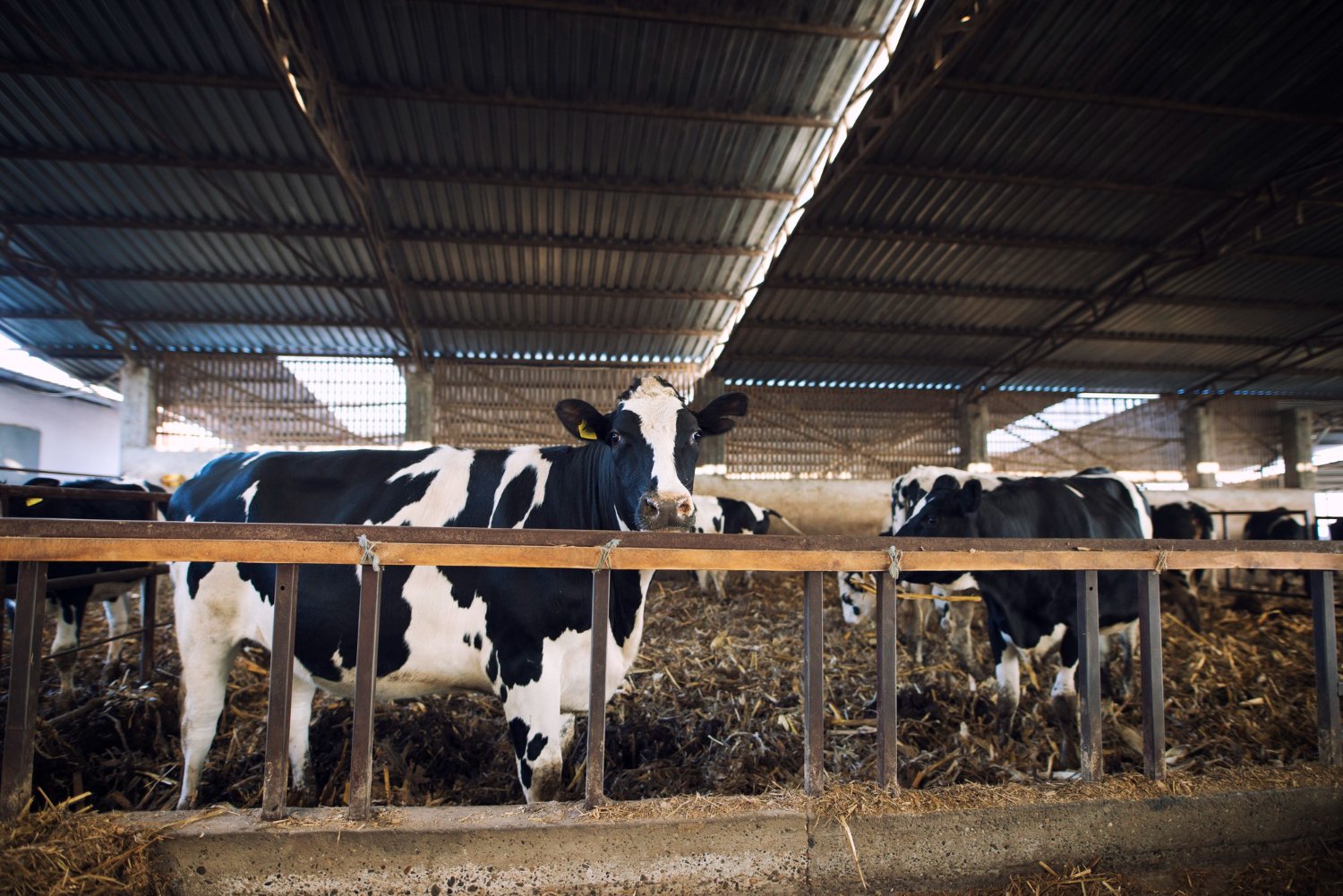
In cows, H5N1 usually appears as a sudden fall in milk yield, thick milk, lethargy and reduced appetite, sometimes with fever. Most animals recover within a couple of weeks, but the farm suffers significant losses. Deaths are rare. Some studies suggest older cows lose more milk. The virus builds up especially in the udder, so milking equipment becomes the main route of spread.
How people catch it
Most US cases are linked to direct contact with infected cows or poultry. Patients have often reported conjunctivitis and mild symptoms, but severe cases are possible, especially in people with other illnesses. Milking parlour workers can get milk splashed in their eyes. That's why the advice covers protecting the eyes, hands and airways.
What farmers are being advised
- Protect your workers: goggles, masks and gloves when handling sick cows and milk.
- Control movements of animals, vehicles and equipment.
- Separate sick cows and disinfect milking equipment.
- Keep cats and birds away from milk and the milking parlour.
- Report falling yields and unusual milk to your vet.
Vaccines for cows
With this new wave, vaccinating dairy cattle is being discussed again in the USA. Several experimental vaccines are at various stages of trials, but they aren't yet widely used. Specialists point to difficulties, as vaccination mustn't interfere with virus surveillance or trade. For now, the main protection remains farm biosecurity and control of animal movements.
What about ordinary pets?
For an ordinary pet cat or dog the risk is low, as long as they can't reach raw milk, raw poultry or dead birds. Take care with raw pet food, as cats have already been infected this way. Ask the manufacturer about safety measures, or better still avoid raw products during outbreaks. Dogs fall ill much less often, but they shouldn't eat dead birds.
What signs cats show
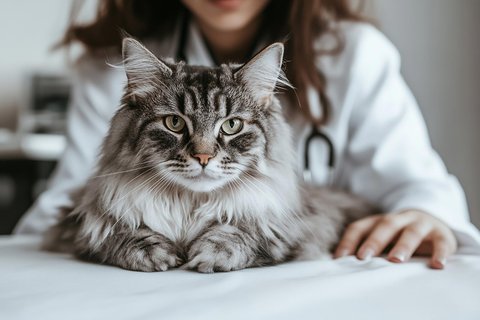
Cats with H5N1 show sudden lethargy, refusal to eat, high temperature, difficulty breathing, discharge from the eyes and nose, and neurological problems such as unsteadiness, seizures and blindness. Their condition can worsen within days. Tell your vet if your cat has had raw milk, poultry or raw food, or if you work on a farm, as this also matters for the vet's own safety.
Earlier deaths in the USA
The country's first H5N1 death, announced in January 2025, was an elderly person in Louisiana. In November 2025 another person in Washington State died of the rarer H5N5 variant. Since the start of 2024 more than 70 human infections have been recorded in the USA. Most of these cases were mild.
Why the world is watching
Every human infection gives the virus a chance to adapt. So far there's no spread between people, and tests show no dangerous changes. But spread among mammals worries scientists more than spread among birds. That's why the WHO and national agencies follow each case closely and share data on the virus and its mutations.
How to find out if the risk is close
The US authorities publish data on infected herds and poultry farms. In Europe, similar information comes from the European Food Safety Authority together with the European Centre for Disease Prevention and Control. If you live near large dairy or poultry farms, it's worth following these reports and advice from local services.
How to protect your family
Someone living in a town has nothing to worry about if they don't touch dead birds or drink raw milk. Wash your hands after contact with animals, and cook poultry and eggs thoroughly. If you've worked with sick animals and develop red eyes, a cough or a temperature a few days later, tell your doctor you've had contact with animals.
Why this news matters to vets
Vets working with dairy cattle are becoming the first line of surveillance. They're the first to see falling milk yields and strange cases in farm cats. The virus is dangerous to them too, so protective equipment is needed if it's suspected. US organisations are asking vets to bear this link in mind and to report unusual cases in animals and people.
Raw food and the risk to pets
In the USA raw cat food has already been recalled because of H5N1. When choosing food, ask the manufacturer how it reduces the risk from the virus, or switch to cooked food.
What this means for Europe
In Europe H5N1 hasn't so far caused an outbreak in dairy herds like the one in the USA, but it's widespread among wild birds and on poultry farms. That's exactly why the EU and UK authorities are calling for controls on imports of cows and milk, for pet cats not to be given raw milk or raw food, and for unusual falls in milk yield to be reported quickly. These measures cost less than any outbreak.
When to see a vet
See a vet urgently if your cat suddenly becomes lethargic, won't eat, has seizures, is unsteady or is struggling to breathe, especially if it has had raw milk, meat or poultry. Farmers should call their vet if several cows show a sharp fall in yield and thick milk. Warn the vet in advance that you suspect bird flu.
Sources
- CIDRAP, 2 November 2026
- PBS / AP, 2 November 2026