Contents
- What happened
- What restrictions apply in Norway
- A housing order across a wide area
- Why hunting has been banned
- What Sweden is saying
- Why the risk is rising now
- What about other countries?
- Is it dangerous to people?
- What bird keepers should do
- How to recognise bird flu
- If you find a dead bird
- Dogs and cats
- What an outbreak means for a farmer
- Vaccination as a way out
- If you keep a few hens at home
- What happens next
- What a "protection zone" means in practice
- Why you shouldn't feed wild birds near a henhouse
- What about eggs and meat from your own hens?
- For hunters and walkers
- What this means for Europe
- When to see a vet
What happened
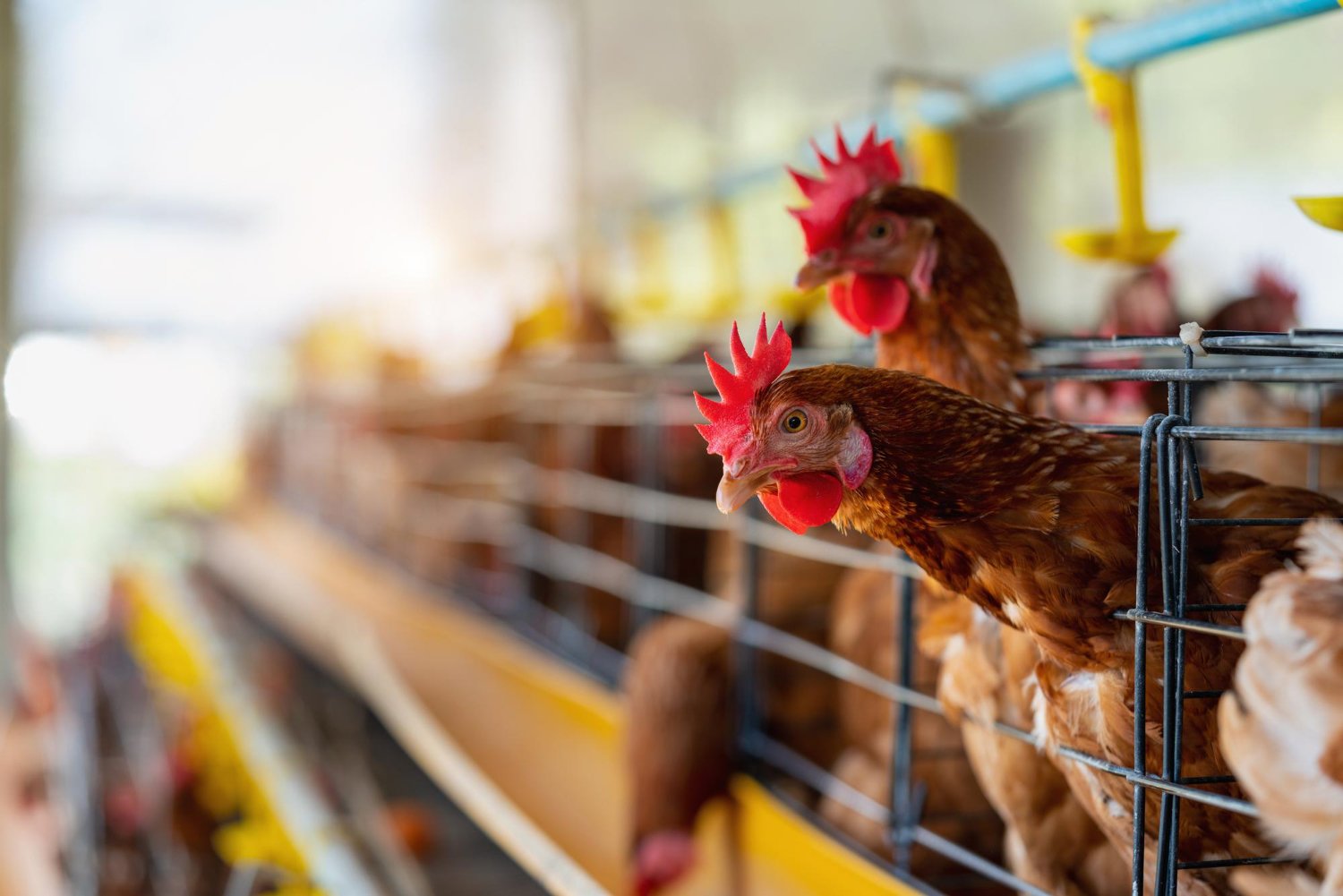
On 3 November 2026 the Norwegian Food Safety Authority, Mattilsynet, announced that highly pathogenic H5N1 bird flu had been confirmed on a poultry farm in the municipality of Klepp in Rogaland county. The farm had about 7,500 birds, and all were culled. The Norwegian Institute of Public Health says the risk to people is very low.
This isn't an isolated case. The day before, Sweden's SVA institute warned of a growing risk of outbreaks, and in the same days reports of the virus came from the Scottish Borders and from the Leiden area in the Netherlands.
Mattilsynet, SVA; 2–3 November 2026
What restrictions apply in Norway
Mattilsynet has set up a protection zone with a 3 km radius and a surveillance zone with a 10 km radius. Poultry and eggs can't be moved within them. All domestic birds must be kept indoors, or outdoors under a solid roof with protected sides. Keepers must take steps to stop the infection spreading.
A housing order across a wide area
In addition, an infected zone with a housing order has been declared in several municipalities in Rogaland, including most of Sandnes. Birds must be kept indoors or under a solid shelter. There are exceptions for holdings of up to 50 birds if conditions are met. Shows, competitions and other gatherings of large numbers of birds are banned.
Why hunting has been banned
Hunting and catching wild birds is banned in all three zones. The exceptions are willow ptarmigan, rock ptarmigan, capercaillie, black grouse and hazel grouse. According to Jarle Bergsjø, head of the land animals department, handling wild birds can spread the virus. The rules may change, so the authority is asking people to watch for updates on its website.
What Sweden is saying
On 2 November Sweden's National Veterinary Institute, SVA, published a new update. Malin Grant from the SVA's epidemiology team explains that the risk of outbreaks in domestic birds is rising, and that the extent of spread among wild birds is unclear, as they can be infected without symptoms. Only three cases in wild birds have been confirmed in Sweden since late August, but outbreaks in Denmark and the Netherlands show the virus is close.
Why the risk is rising now
In autumn, migrating birds head south and stop at lakes and rivers, and fields fill with geese and ducks. The virus survives better at low temperatures, in water and droppings. So every year the risk starts to rise in October and November. This season the virus has already been confirmed on farms in Denmark and the Netherlands, and now in Norway too.
What about other countries?
The Scottish Government said H5N1 was confirmed on 2 November at premises near Biggar in the Scottish Borders; the UK trade press reports a flock of laying hens. A 3 km protection zone and a 10 km surveillance zone have been put in place around it. Dutch media reported four wild birds with the virus in the Leiden area. The Netherlands is already keeping poultry under cover nationwide, as we reported in late October.
Is it dangerous to people?
Human infection is very rare, and usually follows close unprotected contact with sick or dead birds. The Norwegian institute rates the risk as very low. Infection through eggs and poultry meat is extremely unlikely. Normal cooking destroys the virus, and birds from infected farms aren't allowed onto the market.
What bird keepers should do
- Keep your birds under cover, especially near water and fields with wild geese.
- Feed and water indoors: wild birds mustn't be able to reach the feed.
- Change your footwear and clothes before going in to your birds, and disinfect equipment.
- Limit visits: the fewer people, the lower the risk.
- Report deaths and illness straight away to your vet or APHA.
How to recognise bird flu
The usual signs are the sudden death of several birds, a fall in egg production, swelling of the head, a blue comb and wattles, lethargy, refusal to eat and neurological problems. Sometimes birds die so quickly that no signs are seen. SVA notes that even an unexplained change is a reason for concern: birds eating, drinking or laying less.
If you find a dead bird
- Don't touch it or take it home yourself.
- Report it to the authorities, especially if there are several birds.
- Keep your dog away from dead and sick birds.
- Wash your hands and shoes after walking somewhere with a lot of droppings.
Don't take sick wild birds home to nurse them: this is one of Mattilsynet's recommendations.
Dogs and cats
Dogs and cats rarely catch bird flu, but the virus is dangerous to them, and cats that eat sick birds are more likely to fall ill. In outbreak areas it's better to keep cats indoors and dogs on a lead near water. Don't feed your pets raw poultry of unknown origin.
What an outbreak means for a farmer
Culling a whole flock is a hard decision, but it stops the spread and spares the birds a painful disease. The state covers some of the losses, but the farm stands idle for a long time, as buildings must be cleaned and disinfected and waiting periods observed. So biosecurity in advance costs far less than an outbreak.
Vaccination as a way out
The Netherlands is once again debating whether to allow vaccination of poultry, and France has been vaccinating ducks for several years. Vaccines reduce the number of outbreaks, but they don't replace biosecurity and they require special trade rules. In most European countries birds aren't yet vaccinated, so keeping them away from wild birds remains the main protection.
If you keep a few hens at home
The restrictions also cover small holdings, as the virus doesn't care about flock size. The simplest solution is a covered run: stretch netting over it and cover the top with solid material so droppings from wild birds can't fall into it. Separate boots for the henhouse, clean bedding and protecting feed from sparrows and pigeons all noticeably reduce the risk.
What happens next
The coming weeks will show how widely the virus is circulating among wild birds. Mattilsynet is working with the Veterinary Institute, the Institute of Public Health and municipalities, and warns that new measures could come quickly. Bird keepers should follow official announcements and prepare their yards and equipment in advance.
What a "protection zone" means in practice
In a protection zone, poultry and eggs can't be moved in or out, and vets inspect holdings. Rules are milder in a surveillance zone, but movements are still restricted. This applies not only to farms but also to anyone keeping a few hens at home, pigeons or ducks. Before going to a market or show, check the zone map on the national authority's website. Breaking the rules brings legal liability and, above all, the risk of carrying the virus to other holdings.
Why you shouldn't feed wild birds near a henhouse
Feeding ducks and geese on ponds in winter brings many birds together in one place, which is ideal for passing on the virus. If there are domestic birds nearby, it's better to stop. Feeders for tits and other small birds should be well away from the henhouse and run. Pigeons and sparrows drawn by spilled grain can carry the virus mechanically, so feed for your hens shouldn't be accessible from outside.
What about eggs and meat from your own hens?
If your hens are healthy and you aren't in a restricted zone, you can use eggs and meat as usual, with normal hygiene: wash your hands and cook thoroughly. In restricted zones, moving eggs out is banned or controlled, so check the local rules. If a bird falls ill or some die, don't use the eggs or pass them to neighbours, and wait for the authorities' decision. Meat and eggs from infected farms aren't sold in shops.
For hunters and walkers
Even where hunting is allowed, wildfowlers should take care: dress game wearing gloves, don't feed dogs raw offal and wash equipment. Anyone who keeps hens and goes hunting should change clothes and footwear before going into the henhouse. When walking by water, keep your dog on a lead: bird droppings on the bank can be infectious, and sick birds let dogs come close and attract their attention.
What this means for Europe
Bird flu is moving across Europe again with migrating birds, and neither large farms nor garden henhouses are safe from it. Keepers in Sweden, Finland, Germany, the Czech Republic, France and the UK should already be cutting off contact between domestic and wild birds and reporting any unusual deaths, without waiting for official bans.
When to see a vet
See a vet urgently if birds suddenly die, egg production falls sharply or you see swelling of the head, lethargy or neurological signs. Don't move your birds or invite visitors until the vet tells you what to do. If a cat or dog that's been in contact with birds falls ill, tell the vet in advance.
Sources
- Mattilsynet (via NTB), 3 November 2026
- SVA (Sweden), 2 November 2026
- Scottish Government, 2 November 2026