Contents
- What happened
- How events unfolded
- What happened in September
- What the authorities in Sweden can do
- Who pays for a bite
- What to do if a dog attacks
- If you're out walking your own dog
- What to do after a bite
- If your dog has been bitten
- Why dogs attack
- What signals a dog gives
- What owners can do
- How to get a dog used to a muzzle
- What counts as a short lead
- Children and unfamiliar dogs
- Why statistics are hard to collect
- How to report a problem dog
- Why the authorities closed the case at first
- If a dog attacks when you're out with children
- What this means for Europe
- When to see a vet
What happened
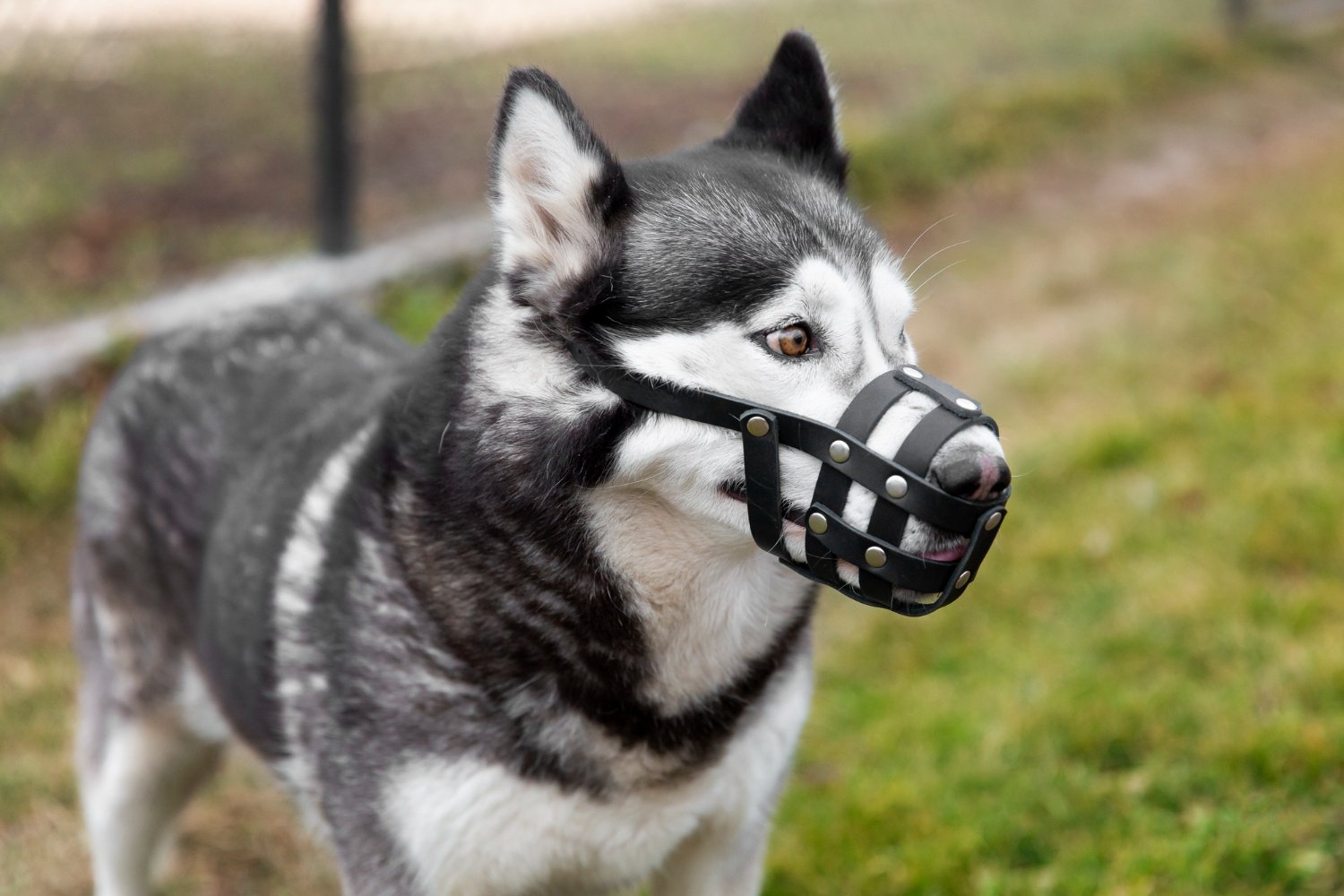
On 3 November 2026 the Swedish broadcaster SVT reported that the Västerbotten County authorities had ordered a man from Umeå to keep two dogs on a short, rigid lead, with one of them also muzzled. The owner must also make sure the dogs can no longer run out of the house.
According to the county, the dogs got out of the flat several times. They've been described as aggressive, and people say they feel unsafe and are afraid of them. Three reports came in over a year.
SVT; 3 November 2026
How events unfolded
In February one of the dogs attacked another dog, which wasn't hurt. A month later the dog bit a woman through her jeans. After these two reports the county contacted the owner. He said he'd replaced the lock on the front door, fitted a door closer, didn't let the dogs off the lead and put a muzzle on one of them. The authorities closed the case.
What happened in September
In September there was a new incident: the dog went for a man who was out running and bit him on the calf, drawing blood. A neighbour and the police helped the injured man and drove the dogs into the flat. They tried to contact the owner without success. The county then made a new decision with stricter conditions.
What the authorities in Sweden can do
Sweden's Act on the Supervision of Dogs and Cats allows the county to step in if an animal has caused harm or could do so. The authorities can require a lead and a muzzle and, in serious cases, take the animal away. If the owner doesn't comply, fines can be imposed, and ultimately the dog can be put down.
Who pays for a bite
In Sweden, an owner is liable for damage caused by their dog, even if they're not personally at fault. The injured person can claim for the cost of treatment, clothing and damage. Insurance usually covers these cases, but the terms vary. If the dog isn't insured, the owner has to pay personally, and the amounts can be considerable.
What to do if a dog attacks
- Don't run or shout: running triggers the instinct to chase.
- Stand sideways, don't look the dog straight in the eye and keep your arms close to your body.
- Put a bag or jacket between you and the dog.
- If you fall, curl up and protect your neck and head.
- Call for help and don't try to separate dogs with your bare hands.
If you're out walking your own dog
If an unfamiliar dog runs towards you, calmly lead yours away, without lifting it up, as large dogs can jump. Stand between the dogs or throw a treat to one side. Don't jerk the lead, as this increases tension. If a fight starts, don't grab the dogs by their collars, as you could be bitten yourself. It's better to use water, a blanket or noise.
What to do after a bite
Rinse the wound under running water with soap for several minutes, then apply antiseptic and see a doctor, especially for deep wounds and bites on the hand or face. Infections after bites are common. Ask whether you need a tetanus jab. Note the appearance of the dog and owner, and tell the police or authorities. Without a report, the authorities may never find out about the problem.
If your dog has been bitten
Even small wounds in the coat can hide deep muscle damage. Take your dog to a vet the same day, especially with bites on the neck and belly. Tooth wounds often become infected, and antibiotics or drainage may only prove necessary after an examination. Photograph the injuries and keep the bill, as this helps you claim from the owner of the attacking dog.
Why dogs attack
There are many reasons: fear, pain, guarding territory or the owner, poor socialisation and prey drive. Dogs living in a flat without enough exercise, who run out into the street and react immediately to movement, are especially dangerous. The problem often lies not in the breed but in how the dog is kept and trained. It's important to understand that aggression can be worked on, but it takes time, patience and a specialist.
What signals a dog gives
Flattened ears, raised hackles, freezing, a tense stare, a tucked tail and growling show that a dog is uncomfortable. Most attacks begin with warnings like these. If you see these signs in your dog, lead it away. If you see them in someone else's dog, don't approach or reach out to it, even if the owner says it's friendly.
What owners can do
- Double protection: a lock, door closer and a separate door or gate at the entrance.
- Regular walks: dogs without enough exercise more often react aggressively.
- Training with a specialist: start at the first sign of problems.
- A vet's examination: pain and illness are often behind aggression.
- Insurance: this protects both you and anyone injured.
How to get a dog used to a muzzle
A muzzle isn't a punishment but a safety tool. Choose a model in which the dog can breathe with its mouth open, drink and take treats. First feed it from the muzzle, then fasten it for a few seconds and gradually increase the time. Don't put it on only at unpleasant moments, so it doesn't become linked with bad things. Most dogs calmly get used to it within a week or two.
What counts as a short lead
A short, rigid lead helps control a dog when something is happening nearby. A retractable lead isn't suitable here, as it's slow to react and the cord can cut. A short leather or fabric lead and a wide collar or harness are suitable. The owner must be physically able to hold the dog: if you can't, someone else should take it out.
Children and unfamiliar dogs
Explain simple rules to children: don't stroke unfamiliar dogs without permission, don't approach them while they're eating or sleeping, and don't run when you meet one. If a dog comes up, stand like a tree with your arms by your sides, and don't look it in the eye. Most bites to children involve dogs the child already knows. So don't leave small children alone with a dog at home either.
Why statistics are hard to collect
Accurate figures on bites are hard to obtain, as many cases don't reach the authorities or hospitals, especially if the wound is small. Some people don't want to fall out with a neighbour, and some don't know where to go. So the authorities see only part of the problem. The more often people report attacks, the easier it is to tell which dogs need restrictions.
How to report a problem dog
If a neighbour's dog keeps running loose or has already bitten someone, tell your local dog warden or council, and call the police if there's an immediate threat. Describe when and where it happened, take photos and ask witnesses. You could talk to the owner first if it's safe to do so. Anonymous complaints are sometimes taken less seriously, while written reports provide grounds for an inspection.
Why the authorities closed the case at first
After the first reports, the owner explained the measures he'd taken, and this was considered enough. But the story shows that promises alone aren't enough, and authorities are increasingly requiring specific conditions. For those affected, this is an important signal: every new incident is worth reporting, even if the authorities seem to know already, as several reports in a row are what lead to tougher decisions.
If a dog attacks when you're out with children
Take your child by the hand, put them behind you and calmly back away. Don't lift your child suddenly if the dog is very close, and don't shout, as noise only excites the animal. Afterwards, take your child to a doctor and talk to them about what happened.
What this means for Europe
Rules on dangerous dogs vary widely across Europe: some countries restrict particular breeds, while others look at the behaviour of the individual dog, as Sweden does. Specialists increasingly consider the second approach fairer. But it requires people to report attacks and authorities to respond quickly. The Umeå case shows well how such a system works in practice.
When to see a vet
Take your dog to a vet if it has suddenly become aggressive, is irritable when touched, growls while eating or guards certain parts of its body, as pain is often behind such behaviour. After a fight with another dog, an examination is needed even for small wounds. A vet can also refer you to a behaviour specialist if needed, and advise on how to walk your dog safely while the problem is being worked on.
Sources
- SVT Nyheter, 3 November 2026