Contents
- What happened
- Where Skippy has been seen
- Why he's hard to catch
- What to do if you see him
- Why he shouldn't be frightened
- What he's eating in the wild
- Will he survive the winter?
- What wallabies are
- Can wallabies be kept at home?
- What kind of fence is needed
- What diseases wallabies get
- What an owner should do after an escape
- Storms and animals
- Why exotic animals often get lost
- Stories of runaway kangaroos in Europe
- What about the female?
- What neighbours can do
- Before buying an exotic pet
- If your pet has been caught
- What this means for Europe
- When to see a vet
What happened
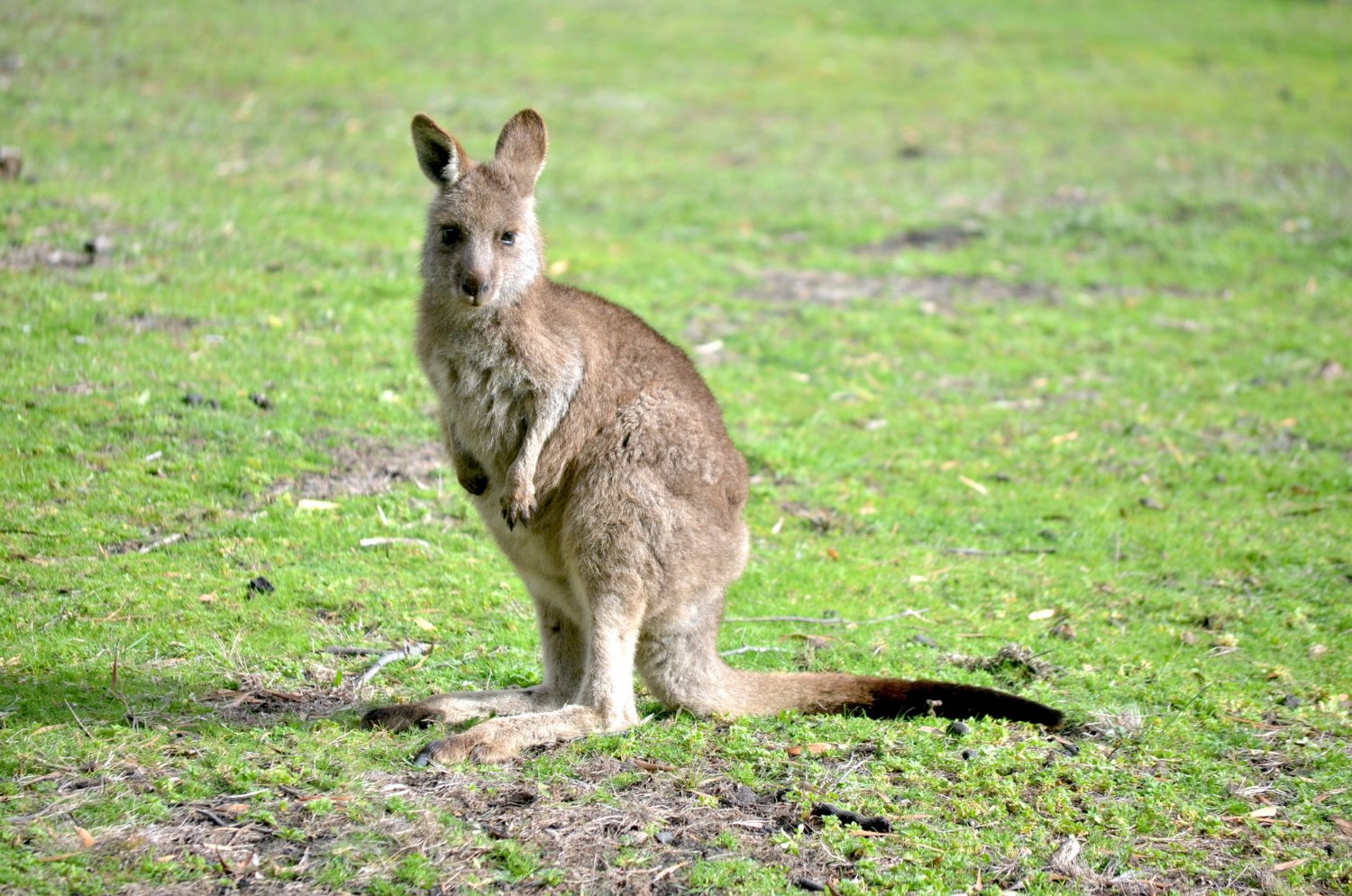
On 3 November 2026 the Belgian public broadcaster VRT reported that residents of the town of Waregem in West Flanders had for several days been seeing a hopping wallaby. The animal, a small relative of the kangaroo, escaped from a garden in the Desselgem area during storms Austen and Boelo at the end of October.
Owner Timothy Maes said a tree fell on the garden fence, and both his wallabies got out through the gap: the male, Skippy, and the female, Skibo. The female was caught after two days, as she was hiding in a copse next door and police officers helped drive her back to the garden.
VRT NWS; 3 November 2026
Where Skippy has been seen
The male is still at large. According to Maes, he's been seen at the Lutosa potato factory on Gentseweg in Sint-Eloois-Vijve, and most recently in the apple orchard of the Baart fruit farm. The owner goes out for every report, but each time Skippy manages to hop away. The Baart farm has even caught him on video.
Why he's hard to catch
Wallabies are active at night and at dusk. They hide during the day and come out to feed in the evening and early morning. They're very timid and jump quickly, so a person can't catch up with them. Maes keeps a cage and net in his car, but thinks the male can only be caught in an enclosed space, such as a fenced garden he can be lured into.
What to do if you see him
- Don't chase the animal: it's dangerous, especially near a road.
- Keep your dog on a lead: it could run the wallaby down and injure it.
- Put out fruit or vegetables in your garden and leave the gate open.
- Note the time and place and tell the owner or the police.
- Close the gate only if the animal has gone in, and don't try to pick it up.
Why he shouldn't be frightened
The owner fears for everyone: for Skippy and for people on the road. A frightened wallaby can jump in front of a car, and a driver trying to avoid it could crash. Kangaroos and wallabies also cope badly with severe stress and prolonged running, and can develop a dangerous muscle condition known to vets as capture myopathy. A chase can kill an animal even without falls or injuries.
What he's eating in the wild
Judging by his route, Skippy isn't going hungry: Maes suspects he's eaten his fill in the apple orchard. Autumn vegetable fields and windfall fruit provide plenty of food. But unfamiliar food isn't always good for him, as a lot of sweet fruit can upset digestion, and roads and fields have plenty of other dangers, from dogs to cars and fertilisers.
Will he survive the winter?
A Belgian winter isn't necessarily fatal for a wallaby: Bennett's wallabies, the commonest in Europe, come from Tasmania and tolerate cold and snow better than you might think. Feral groups live in Ireland and on the Isle of Man, for example. But a lone domestic male doesn't know the area and lacks shelter and a partner, and cars and dogs are more of a danger to him than frost.
What wallabies are
Wallabies are small marsupials in the kangaroo family. Males of some species weigh 15–20 kilograms and can jump several metres. The female carries her young in a pouch. They're herbivores, needing grass, hay and a few vegetables. They need a large fenced area, shelter and the company of their own kind: keeping a single wallaby is cruel, as they're herd animals.
Can wallabies be kept at home?
The rules vary from country to country. Belgium has a list of mammals that may be kept, and elsewhere permits may be required or keeping exotic animals may be banned. Before buying such a pet, find out the law, find a vet who treats marsupials, and think about who'll look after an animal that can live for more than ten years.
What kind of fence is needed
For keepers of exotic animals, the storm is a reminder of what matters most: a fence is the first condition of safety. Wallabies need a fence at least two metres high, with no gaps at the bottom, at a distance from trees that could fall. After strong winds, check the whole perimeter. Build a double gate so that the animal can't run out while you go in.
What diseases wallabies get
Captive wallabies often suffer from "lumpy jaw", a dangerous infection of the bones and teeth. They're very sensitive to toxoplasmosis, so it's important to keep cat droppings away from hay and grass. Parasites, foot problems and injuries also occur. Treatment needs a vet with knowledge of these animals, who aren't easy to find everywhere, and it's worth thinking about this before you buy.
What an owner should do after an escape
- Tell the police and council right after the escape.
- Post a notice with a photo in local groups and ask people to share it.
- Prepare shelter, a cage trap and familiar food.
- Ask residents not to chase the animal, and note where it's been seen.
- Warn your vet: the animal may need an examination once caught.
Storms and animals
Strong winds aren't only dangerous for fences. Frightened horses break through fencing, dogs and cats run away from the noise, and falling trees destroy enclosures. Before a storm, bring animals indoors, check fixings and move anything the wind could carry off. After the storm, check enclosures and give pets time to calm down before a walk.
Why exotic animals often get lost
Animals that live in a garden usually aren't attached to the house as dogs are, and don't come back of their own accord. They don't know the area and are frightened by everything unfamiliar. So searches often drag on for weeks, and sometimes end in an accident or death. Microchips and good fencing matter just as much for these animals as for ordinary pets.
Stories of runaway kangaroos in Europe
Belgium isn't alone: runaway wallabies and kangaroos turn up from time to time in various European countries, delighting social media and worrying drivers. They're usually caught after a few days or weeks, when they tire and get used to feeding in one place. Stories like this show how many people now keep exotic animals in ordinary gardens.
What about the female?
Skibo, the female, has returned to the garden and is now at home. Skippy and Skibo are a pair, so her presence could help: the animals keep in touch, and familiar smells and sounds may draw the male back to the house. That's why many owners leave gates open in such cases, and put food closer to where the second animal is waiting.
What neighbours can do
People in Waregem and the surrounding area should check their gardens, especially those with fruit trees and vegetables. If you see Skippy, keep your dog on a lead, don't approach him and, if possible, tell the owner immediately. Videos are useful, but noting the time and exact place matters more. It's best to film from a distance, as he runs away if he senses someone coming.
Before buying an exotic pet
Exotic animals look cute in photos, but they need a lot of space, special food and a vet who's hard to find. Ask yourself whether you're ready to look after one for more than ten years, pay for treatment and build a sturdy enclosure. Find out what will happen to the animal if you move house. Shelters often can't take exotic animals, and owners have to find them a new home themselves.
If your pet has been caught
Once caught, a runaway animal should see a vet, even if it looks healthy. The vet will check for injuries, teeth, parasites and signs of contact with dogs. Straight after it's back, don't let it out on a large area until the fence has been repaired, as a frightened animal may try to escape again. For the first few days, give its usual food and time to calm down.
What this means for Europe
Keeping exotic animals is becoming more popular in Europe, and the rules still vary widely between countries. Stories like the one from Waregem show that an unusual pet comes with responsibilities to neighbours and on the road. Some countries are already bringing in positive lists of which animals may be kept, and others may follow.
When to see a vet
Take a wallaby to a vet if its jaw is swollen, its breath smells different, it's eating poorly, is lame, is breathing heavily or lies down and won't get up. An examination is essential after an escape, and after a chase, pay particular attention to stiff muscles and dark urine, which can signal a dangerous complication and mean seeing a vet immediately.
Sources
- VRT NWS, 3 November 2026