Contents
- What happened
- What the losses are
- Where vaccination stands
- What money has been allocated
- What the veterinary service says
- Why it's so important to destroy hay
- What foot-and-mouth disease is
- How it spreads
- Why Cyprus was hit so hard
- The dispute over compensation
- What will happen to halloumi
- Where restocking is ready
- What farmers should do
- If you're a traveller
- If you keep goats or mini pigs at home
- How to tell it from other diseases
- What Europe can learn
- How farming will change after the outbreak
- What about wild animals?
- Why vaccination doesn't solve everything
- What this means for Europe
- When to see a vet
What happened
On 3 November 2026 Andreas Gregoriou, director general of the Cypriot agriculture ministry, addressed the parliamentary agriculture committee and summed up the foot-and-mouth outbreak. According to him, 126 farms have been affected by the virus and more than 80,000 animals culled. He said the ministry's priorities have shifted from fighting the disease to restoring holdings.
He said official dates for affected holdings to restart will be announced in the coming days. Meetings on the subject take place every Tuesday.
Cypriot agriculture ministry; 3 November 2026
What the losses are
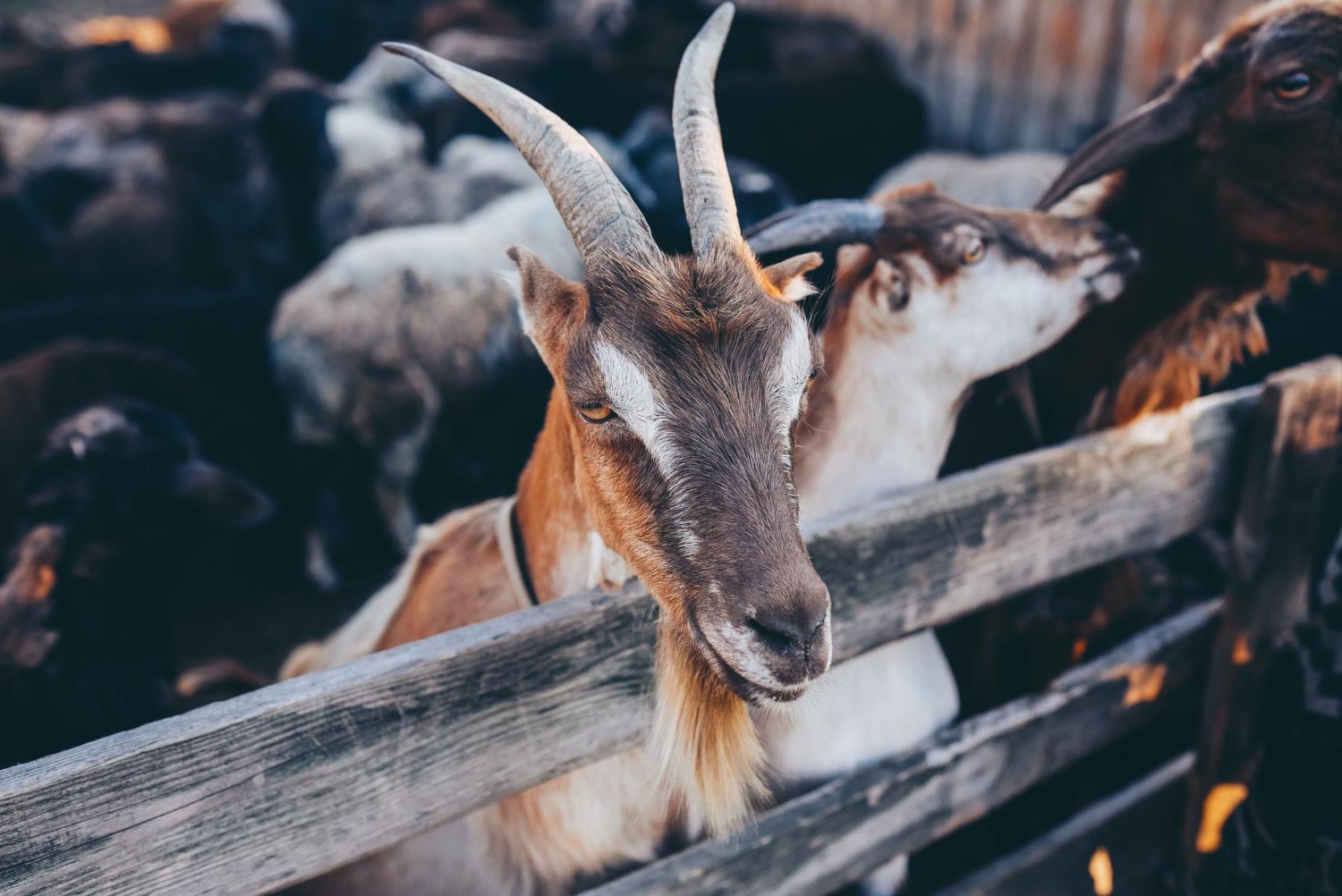
The culled animals include 53,403 goats and sheep, 24,483 pigs and 3,061 cattle. The ministry calculates that this is 11.9% of the country's adult goats and sheep, 7.8% of its pigs and 3.5% of its cattle. For a small island where goat and sheep milk goes into the famous halloumi cheese, losses on this scale are especially painful.
Where vaccination stands
According to Gregoriou, vaccination has been completed on about 97% of farms with goats, sheep and cattle. After the first two doses, the first booster is now under way. The Council of Ministers approved €5.1 million to buy vaccines for 2026 and 2027. The foot-and-mouth vaccine doesn't give lifelong protection and has to match the virus strain, so the programme will run for more than one year.
What money has been allocated
So far €20.26 million has been paid in compensation. The ministry has also drawn up a method for support with lost income: holdings that lost their entire herd can receive funds for 12 months based on financial data from 2024 or 2025. An important condition is that at least 30% of the herd must be restored within eight months.
What the veterinary service says
Christodoulos Pipis, director of the veterinary service, said no active virus is being found, but made clear this doesn't mean culling has stopped. Unresolved issues remain in different areas: moving fat-tailed sheep, cleaning holdings and destroying bales of hay. Without this, holdings won't be able to restock.
Why it's so important to destroy hay
The foot-and-mouth virus can survive in feed and bedding, in manure, on equipment and in buildings. So infected farms must be cleaned thoroughly, and feed that may have been contaminated must be destroyed. In Aradippou and Athienou, Pipis said, bales of hay still have to be destroyed, and a site has been found for this. Rushing to bring in new animals would be dangerous.
What foot-and-mouth disease is
Foot-and-mouth is a highly contagious viral disease of cattle, pigs, sheep, goats and other cloven-hoofed animals. Animals develop fever and blisters in the mouth, on the udder and between the hooves, and become lame and stop eating. Adults usually survive, but milk yield and weight drop sharply, and young animals can die. The virus usually isn't dangerous to people, and in Europe people don't catch it from normally prepared meat and milk.
How it spreads
The virus spreads through contact between sick and healthy animals, through the air over short distances, on people's footwear and clothing, on vehicles and tools, and in feed and food waste. Horses, dogs and cats don't get foot-and-mouth, but they can carry the virus mechanically on their paws and coat. That's why so much attention goes to controlling movements during an outbreak.
Why Cyprus was hit so hard
Holdings in Cyprus are often close together, and animals are moved a lot and kept in mixed groups. In spring, farmers protested against culling, and veterinary teams complained of resistance. Such conflicts slow down control and increase overall losses.
The dispute over compensation
Farmers' unions criticise the veterinary services for delayed payments. Pipis has said in the past that farmers need to report animal numbers and movements correctly. The press has also reported thousands of animals that had to be culled because they weren't registered. Without honest records, both compensation and control become much harder.
What will happen to halloumi
Cheese matters for Cyprus too: under the name rules, halloumi must contain a certain ratio of goat and sheep milk to cow's milk. Gregoriou said the requirement for more goat and sheep milk than cow's milk will stay in place until summer 2029. The outbreak has reduced herds, so producers are paying particularly close attention to this condition.
Where restocking is ready
According to Pipis, holdings in Oroklini, Dromolaxia, Aradippou and Pachna are already ready. Cleaning still has to be completed on some other farms. Animals will be brought in gradually, taking into account the location of holdings and farmers' wishes. Restocking too early could lead to a new outbreak, so the authorities are only giving approximate dates.
What farmers should do
- Don't buy animals without documents, and don't move them without permission.
- Quarantine new animals.
- Vaccinate on schedule: a first dose without a booster gives little protection.
- Limit visitors and disinfect vehicles.
- Report immediately if an animal is lame, drooling or has blisters.
If you're a traveller
Don't bring meat, cheese, sausages or dairy products back from countries with outbreaks, especially home-made ones. Don't feed pigs or other animals food scraps. After visiting a farm in such a country, stay away from your own farm for several days, wash your clothes thoroughly and clean your footwear. Inconspicuous foods and footwear are often what carry the virus into new regions.
If you keep goats or mini pigs at home
The disease doesn't only concern large farms. People with a few goats, sheep or mini pigs must register them where required, and report suspicious signs. Don't feed them kitchen waste, and don't let them have contact with other people's animals at shows.
How to tell it from other diseases
Lameness, drooling and mouth blisters also occur with other infections, including insect-borne diseases, as well as injuries and poisoning. So only testing can confirm foot-and-mouth. If the suspicion is well founded, a vet won't wait for the result, and will immediately put the holding under strict quarantine. It's better to report a suspicion too early than too late.
What Europe can learn
In 2025 there were foot-and-mouth outbreaks in Germany, Hungary and Slovakia, which affected few holdings, but losses from export bans were huge. In Cyprus the disease spread much more widely. The comparison shows that rapid detection, movement restrictions and being ready to vaccinate in advance can change the scale of a disaster many times over.
How farming will change after the outbreak
Some farmers probably won't return to their former scale, and others will need a different way of working: better fencing, separate areas for goats and sheep and control of vehicle entry. The ministry promises support, but ties it to restoring at least 30% of the herd. For many family holdings this period will go on for years.
What about wild animals?
Cyprus has mouflon, which are susceptible to foot-and-mouth, and vets are making sure they don't meet infected livestock. Fences and feeders on farms must prevent contact between domestic and wild animals. If you see a lame animal with blisters or drooling, tell the veterinary service and don't go close to it, especially with a dog.
Why vaccination doesn't solve everything
Vaccination reduces the severity of the disease and the spread of the virus, but doesn't give full protection, and immunity declines over time. So without boosters, quarantine and transport controls, protection quickly weakens. A vaccinated animal can also be a carrier, which complicates trade, so vaccination records matter.
What this means for Europe
For Europe, the Cyprus outbreak is a reminder of how quickly foot-and-mouth can undermine farming, especially where there are many small holdings and animal movements. EU countries hold vaccine reserves and emergency plans, but they depend on farmers reporting in time. Veterinary services and farmers across the continent will certainly study the Cypriot experience closely.
When to see a vet
Call a vet immediately if cattle, sheep, goats or pigs develop fever, drooling, blisters on the tongue, udder or between the hooves, a sharp drop in milk yield, lameness or refusal to eat. Don't move animals or let outsiders in until the vet has examined the herd. Foot-and-mouth is notifiable: if you suspect it, you must tell the authorities, and this also applies to small holdings with a few goats or sheep and to people keeping mini pigs.
Sources
- Cyprus Mail, 3 November 2026
- Cyprus Mail, 8 September 2026