Contents
- What happened
- What Newcastle disease is
- What the signs are
- How it spreads
- How it resembles bird flu
- What bird keepers should do
- What happens if a flock is infected
- Why the disease has returned to the Czech Republic
- Why doves and pigeons
- Why vaccination is needed
- For pigeon keepers
- Is it dangerous to people?
- If you find dead birds
- Dogs and cats
- How to make your yard safe
- Why reporting matters
- What happens next
- How to tell it from other diseases
- How long the virus lasts in the environment
- What about eggs and meat from your own hens?
- Buying birds and going to shows
- What this means for Europe
- When to see a vet
What happened
On 3 November 2026 Czech media reported that the State Veterinary Administration had confirmed Newcastle disease, also known as avian pseudoplague, in five dead collared doves. They were found on Chelčického Street in the town of Vodňany in South Bohemia. It's the fourth recorded case in wild birds in the country this year.
The town of Vodňany warned local bird keepers on social media and urged them to prevent contact between domestic and wild birds.
Czech media; 3 November 2026
What Newcastle disease is
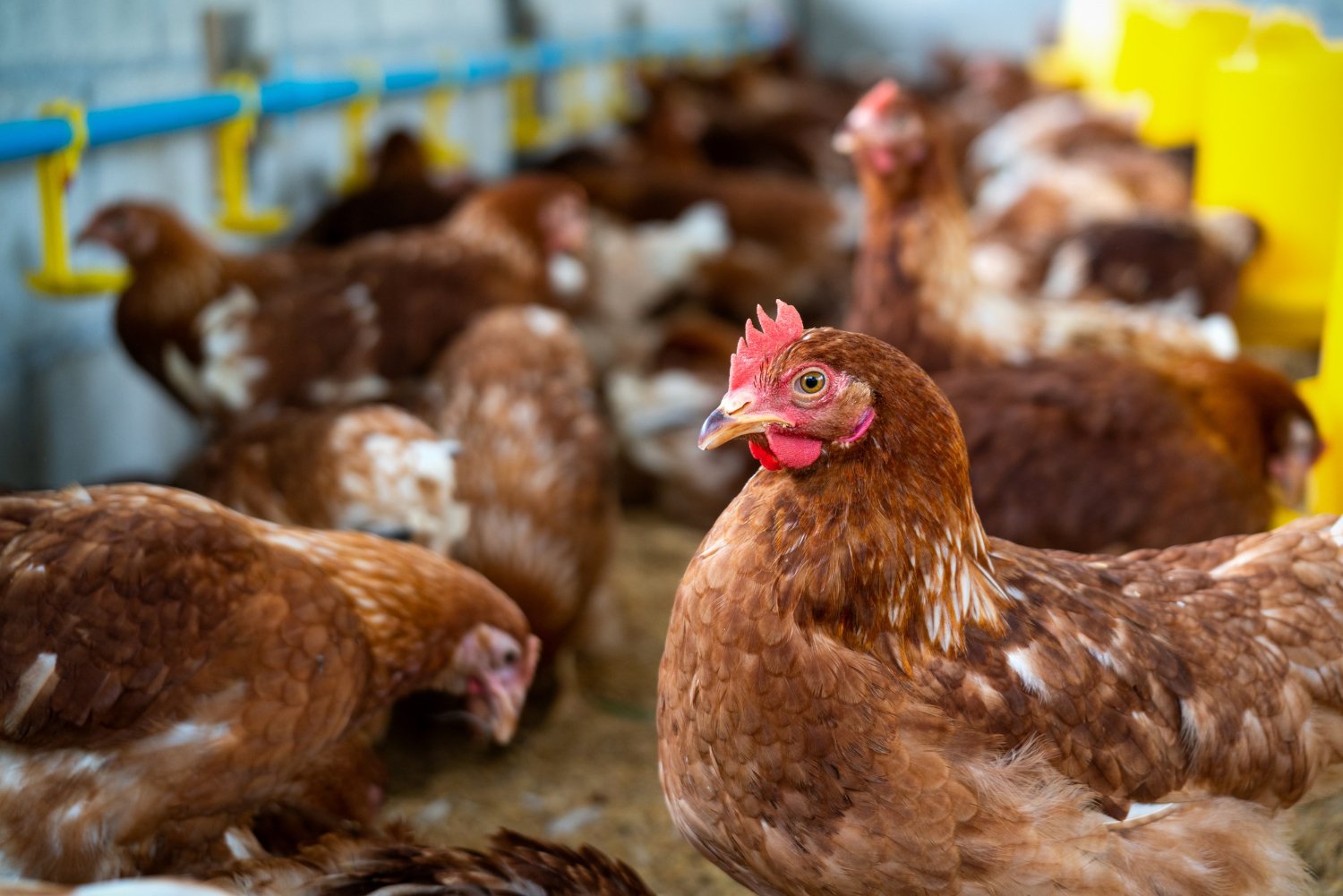
This is a highly contagious bird disease caused by avian paramyxovirus. It mainly affects chickens, turkeys and other game birds, as well as pigeons and many wild birds. Depending on the strain, it ranges from mild to very sudden, killing almost the whole flock. It's named after the English city where it was described in the 1920s.
What the signs are
According to the State Veterinary Administration, the disease affects digestion, breathing and the nervous system and can lead to mass deaths. Birds may have diarrhoea, difficulty breathing, a twisted neck, paralysis and seizures. Sometimes the only sign is increased mortality. In laying hens, egg production falls sharply and shells become thin.
How it spreads
Domestic birds usually become infected through direct contact with droppings or respiratory discharge from sick birds. The virus also spreads through contaminated feed, water and equipment, and on people's footwear and clothing. Wild birds are a frequent source, which is why the find in doves prompted a warning to keepers.
How it resembles bird flu
According to vet Karel Krametbauer of the South Bohemian veterinary administration, the protective measures are the same as for bird flu. The signs are similar too: sudden death, neurological problems and falling egg production. The two diseases can't be told apart without a laboratory, so if you suspect either, call a vet and don't treat the birds yourself.
What bird keepers should do
- Prevent contact between domestic and wild birds: put up netting and remove wild bird feeders near the run.
- Put feed and water inside a building or under cover.
- Report deaths and changes in behaviour to the regional veterinary administration, in Vodňany's case the Strakonice office.
- Change your footwear before going into the henhouse, and wash equipment.
- Don't take on new birds without documents and quarantine.
What happens if a flock is infected
According to Krametbauer, if the disease were confirmed in a flock, all the birds would have to be culled. Protection zones are declared only for large farms. There was an outbreak in a small flock in Vodňany last year, but the zone at that time was declared because of a simultaneous bird flu outbreak.
Why the disease has returned to the Czech Republic
After about twenty years without outbreaks, Czech vets encountered this virus again last year, with outbreaks in several regions at once, mostly in small flocks. Now the virus continues to be found in wild birds. This means the risk to domestic birds will persist this winter too.
Why doves and pigeons
Collared doves and pigeons often live close to people, feed around grain stores and fly into yards where hens are kept. A special variant of this virus is known in pigeons. If pigeons land on hens' feeders, the virus easily gets into the flock. So feed shouldn't be left in an open run, and grain shouldn't be scattered on the ground.
Why vaccination is needed
Unlike bird flu, Newcastle disease has widely used vaccines. Large farms vaccinate their birds regularly, but small flocks are often forgotten. If you keep a few hens at home, ask your vet about vaccination and how to do it properly in your flock. Racing pigeons usually need vaccinating too.
For pigeon keepers
Pigeon keepers should watch their birds especially closely before shows and races. Keep new pigeons apart for several weeks, prevent contact with feral pigeons and vaccinate on time. If you see a twisted neck, green liquid droppings or mass deaths, contact your vet and put off taking part in races.
Is it dangerous to people?
The disease usually isn't dangerous to people. Those working with large amounts of virus occasionally get mild conjunctivitis. Eggs and poultry meat are safe after normal cooking, and sick birds don't reach the shops. When handling sick birds, wash your hands and don't touch your eyes, and don't pick up dead birds without gloves.
If you find dead birds
You needn't report a single dead bird, but if there are several, it's worth calling your local veterinary authority. Don't touch dead birds with bare hands, and don't let your dog have them. Photograph what you've found and remember the place, as this helps vets decide whether samples are needed.
Dogs and cats
Dogs and cats don't usually get Newcastle disease, but they can carry the virus into the henhouse on their coat and paws. Don't let your dog into the hens' run after a walk somewhere with a lot of bird droppings. In areas with bird deaths it's better not to let cats catch birds, as they can catch other dangerous infections, such as bird flu.
How to make your yard safe
- A covered run protects against droppings from wild birds.
- A closed feeder keeps out pigeons and sparrows.
- Separate footwear stays by the henhouse door.
- Clean water doesn't come from open water or puddles.
- A logbook of deaths and egg production will show up problems sooner.
Why reporting matters
Many keepers of small flocks fear their birds will be culled, and say nothing. But the virus can spread from such a yard to neighbouring flocks and farms, and then the losses are far greater. With official confirmation, a keeper is entitled to compensation under the country's rules. Early reporting protects both you and your neighbours.
What happens next
The veterinary administration will keep monitoring cases in wild birds. Autumn and winter are when the virus survives better in the environment and birds gather more at feeders. So feeding birds in winter near henhouses calls for care: feeders should be well away from the run, and fallen grain is best cleared up.
How to tell it from other diseases
A twisted neck and seizures also occur with bird flu, poisoning and vitamin deficiency, while diarrhoea and falling egg production occur with many infections. So only a laboratory can make the diagnosis. A vet will take swabs from the beak and cloaca or samples of organs from a dead bird and send them for testing. Until there's a result, it's best not to change anything: don't treat birds yourself with antibiotics, which don't work on viruses anyway, and don't sell them.
How long the virus lasts in the environment
Newcastle disease virus survives well in droppings, bedding and on surfaces, especially in cool weather, and can remain dangerous for weeks. So after deaths you can't simply bring in new birds. The henhouse must be cleaned, disinfected and left empty for as long as your vet says. Equipment, feeders, drinkers and footwear are treated separately. Bedding and droppings mustn't be taken to the vegetable patch without permission, as this puts the virus back outdoors.
What about eggs and meat from your own hens?
If your hens are healthy and there's no confirmed outbreak nearby, you can use eggs and meat as usual after normal cooking. If a bird falls ill or birds begin to die, its products mustn't be eaten, sold or given to neighbours until the vet has ruled out a dangerous disease. Thin shells and a sharp fall in egg numbers are a reason to call the vet, not just to change feed, as keepers often think.
Buying birds and going to shows
In autumn and winter many people buy new hens and go to poultry markets and shows. This is one of the commonest ways of bringing in infection. Buy birds only from reliable sellers, ask about vaccinations and keep new birds apart for at least two to three weeks. After a show, change your clothes and footwear before going to your own birds. If you see signs of disease in the cage next to yours, tell the organisers.
What this means for Europe
Newcastle disease occurs in various EU countries, especially in regions with many small unvaccinated flocks. The find in Vodňany is a reminder that in autumn bird flu isn't the only threat. Hen keepers in Germany, Poland, France and other countries should check whether their birds are vaccinated and cover their runs against wild birds.
When to see a vet
Call a vet urgently if birds in your flock are dying, egg production falls sharply, eggs have thin shells, or a bird has a twisted neck, falls over, won't eat or is breathing heavily. Don't move your birds or sell eggs until the vet has ruled out a contagious disease. Tell the vet whether your birds have had contact with wild birds.
Sources
- Jižní Čechy Teď!, 3 November 2026
- Budějcká Drbna, 3 November 2026