Contents
- What this is about
- What your dog feels
- How fear shows
- Why some dogs are afraid and others aren't
- Fear doesn't pass overnight
- How to help your dog on fireworks night
- Walks on fireworks days
- What about cats?
- Long-term help
- How to start preparing early
- Pheromones, wraps and other products
- Older and unwell dogs
- Horses, rabbits and guinea pigs
- A safe home on fireworks night
- If your dog does run away
- What doesn't help
- What this means for Europe
- When to see a vet
What this is about
On 30 October 2026 the local newspaper Tameside Correspondent published advice from Amanda Smith, clinical director of Gourley Veterinary Centre in Ashton-under-Lyne, Greater Manchester. Ahead of Bonfire Night on 5 November, when fireworks are let off all over the UK, she explains to owners why fireworks trigger a real fear response in dogs even when there's no danger.
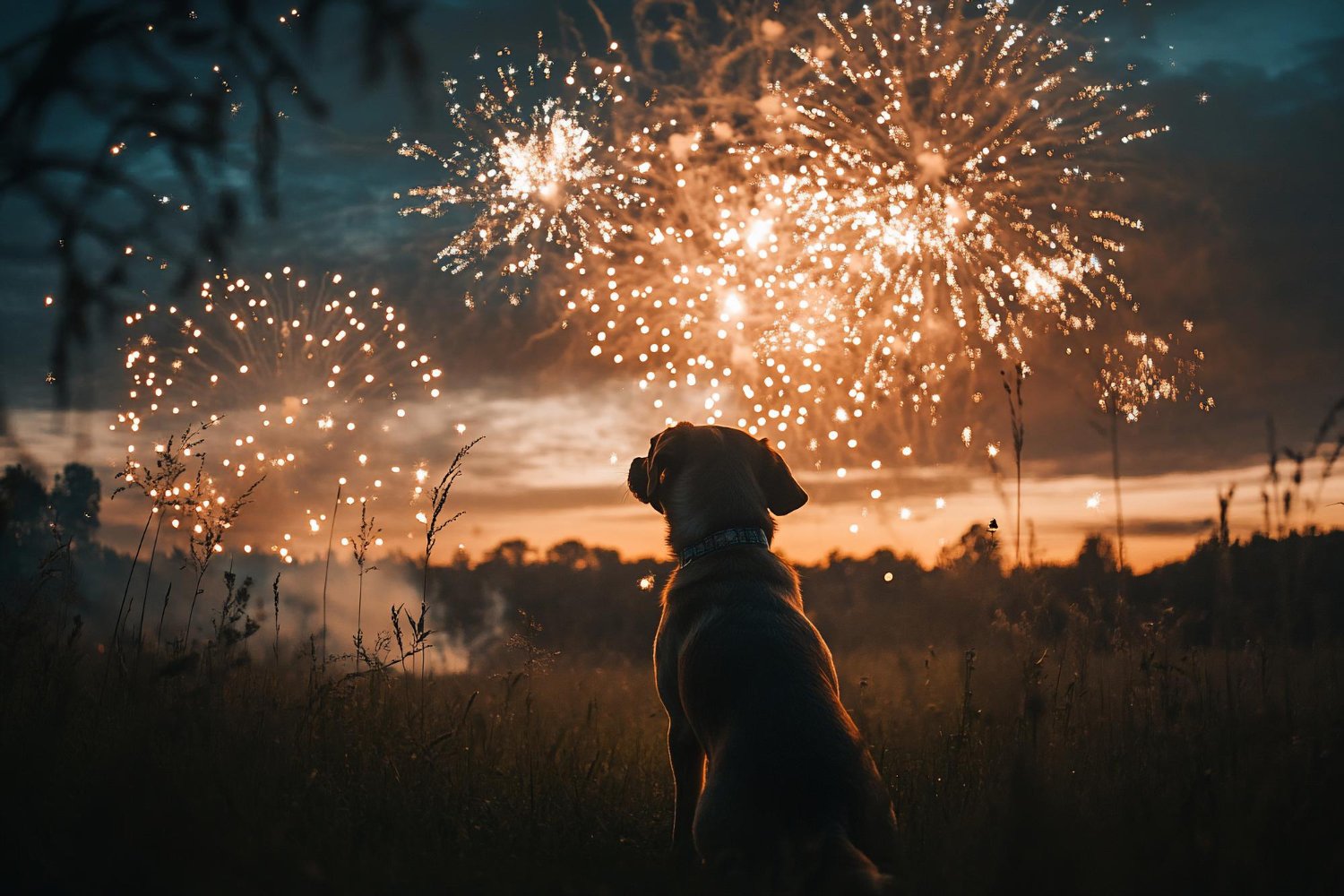
Some dogs sleep calmly through a display, while others shake, bark, hide or try to run away. Dogs hear sounds about four times further away than people and pick up higher frequencies, so they experience fireworks very differently from us.
Tameside Correspondent, vet Amanda Smith; 30 October 2026
What your dog feels
We hear fireworks and know what they are, when to expect them and that they aren't dangerous. Our dogs don't have that explanation. Imagine suddenly hearing a very loud, unpredictable noise without knowing where it's coming from. For some dogs, the body reacts as though it has to defend itself against something.
Amanda Smith, clinical director of Gourley Veterinary Centre
"It isn't disobedience or exaggeration. These are the outward signs of a very real fear response," the vet stresses. Studies of dogs that fear fireworks have shown changes in the autonomic nervous system when recordings of fireworks were played to them.
How fear shows
The most obvious signs are shaking, freezing, barking, trying to hide, looking for the source of the noise and running away. But fear isn't always easy to spot. Your dog may:
- pace up and down, unable to settle;
- pant heavily without heat or exercise;
- refuse food;
- quietly leave the room;
- seek out unusual places to lie — under the bed, in the bathroom, behind the sofa.
Why some dogs are afraid and others aren't
The causes vary: genetics, age, health, past experience and learning. Pain can also make a dog more sensitive to noise.
"Owners are sometimes surprised that their new puppy is afraid when their previous dog wasn't, or that two dogs in the same family react completely differently," says Amanda Smith. "Fear can change over a dog's lifetime. If a dog suddenly becomes afraid of noise when it wasn't before, I'd advise talking to your vet."
Fear doesn't pass overnight
Research shows that the effects of fireworks can last longer than the celebrations themselves. In the study of 1,225 dogs, three quarters of frightened dogs had recovered by morning, 12% needed up to a week, and more than 3% took several weeks or even months.
What's more, repeated fireworks don't necessarily get a dog used to the noise. Some, on the contrary, become more and more sensitive over time.
How to help your dog on fireworks night
Vets advise:
- Prepare a den — a familiar, safe place your dog can go to: a bed in a quiet room or a crate covered with a blanket.
- Close the curtains so the flashes can't be seen.
- Put on background noise — the TV, radio or calm music to mask the bangs.
- Keep your dog indoors while fireworks are being let off.
- Let your dog choose how to calm down — some look for their owner, others prefer to hide.
Walks on fireworks days
On days when fireworks are expected, walk your dog in daylight and always on a lead. Many dogs bolt at a bang, run off and get lost. Check that the collar has an ID tag and that the details on the microchip database are up to date. Vets and rescue centres report lost animals after displays every year.
What about cats?
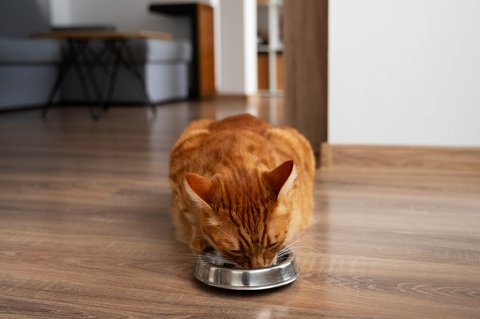
Cats are afraid of fireworks too, but they tend to hide rather than show fear openly. On fireworks days it's best to keep your cat indoors, lock the cat flap, leave access to hiding places — a wardrobe, a box, high shelves — and not pull your cat out of them. The litter tray, water and food should be close by.
Long-term help
If you know your dog is very afraid of fireworks, don't wait until the last day. Amanda Smith advises seeing your vet in good time. For dogs with lasting fear there are programmes of gradual desensitisation to sounds and building positive associations, carried out with a vet or behaviour specialist. In some cases your vet may prescribe anti-anxiety medication. It's chosen individually and tried in advance, not on the night itself.
How to start preparing early
Desensitisation programmes rest on a simple principle: your dog hears the sound of fireworks so quietly that it isn't frightening, and gets something pleasant at the same time — a treat, a game, a fuss. It usually looks like this:
- Find a recording of fireworks and play it at the lowest volume at which your dog stays calm.
- Give treats or play while the sound is on, and when the sound stops, the good things stop too.
- Keep sessions short — a few minutes, several times a day.
- Raise the volume very gradually — only if your dog stays relaxed.
- At the first sign of fear, go back a step.
This work takes weeks, and for dogs with severe fear it's best done with a vet or behaviour specialist.
Pheromones, wraps and other products
Pet shops sell diffusers with calming pheromones, snug-fitting wraps and other products that promise to reduce anxiety. They help some dogs, but the research results are mixed, and they don't replace preparation and veterinary help. If you'd like to try them, start early so your dog gets used to the wrap in calm conditions rather than on fireworks night.
Older and unwell dogs
The vet from Ashton mentions that pain can increase sensitivity to noise. In older dogs with arthritis, heart disease or failing sight, fear of fireworks may appear for the first time or get worse. The night is especially hard for them: a racing heart and rapid breathing put a strain on the body. So it's worth discussing a plan with your vet in advance.
Horses, rabbits and guinea pigs
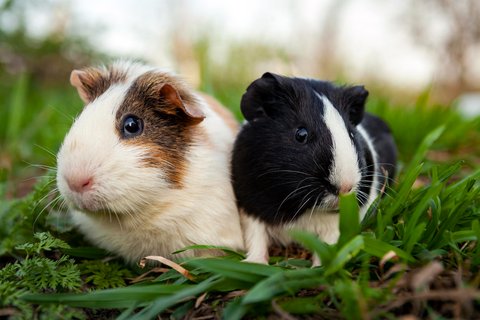
Fireworks aren't only dangerous for dogs and cats. Horses in a panic can injure themselves on fencing or break out of the field, so owners are advised to find out about local displays in advance, check fencing and, if possible, keep horses in a familiar stable or under supervision. Rabbits and guinea pigs living outdoors can die from severe stress. For the festive period it's best to move their hutches into the house, garage or shed, cover them with a blanket while leaving ventilation, and give extra hay so they can burrow.
A safe home on fireworks night
A frightened dog can bolt through any open door or window and jump a fence it would normally never clear. Before the night, check your garden fence and gate, close windows, and only open the front door when your dog is shut in another room. Even in your own garden, keep your dog on a lead on these evenings. If you have guests, ask them not to leave doors open.
If your dog does run away
- Don't chase after your dog — a frightened dog will run even further; call calmly and crouch down.
- Tell your microchip database, local rescue centres, vet practices and your council's dog warden.
- Post a photo in local social media groups — this is how many dogs are found.
- Walk your usual routes: dogs often return to familiar places.
- Keep an eye on your door or gate — your dog may come home alone.
What doesn't help
- Punishing your dog for being afraid — this only increases anxiety.
- Taking your dog to watch fireworks so they "get used to it".
- Giving sedatives meant for people — some medicines are dangerous for dogs, and doses are different.
- Leaving your dog alone in the garden or on a balcony during a display.
What this means for Europe
Bonfire Night is a British tradition, but across the rest of Europe fireworks peak on New Year's Eve. It's one of the hardest nights of the year for dogs and cats, and vet practices see animals injured after panicking and running away. A number of European countries and cities are discussing or bringing in limits on private fireworks, partly for the sake of animals. It's worth starting to prepare for New Year's Eve now: desensitisation programmes take several weeks.
When to see a vet
See your vet if your dog is panicked by fireworks, doesn't eat for several days afterwards, hides or behaves differently, if fear of noise appears suddenly in an adult dog, or if your dog was injured while panicking. Don't leave your visit until the eve of the celebrations: preparation takes time.
Sources
- Tameside Correspondent, 30 October 2026