Contents
- What has happened
- The third outbreak: Grootegast
- "Indoors" and "under netting": what's the difference
- A total ban on shows and visits
- Why the authorities didn't wait
- What's happening in neighbouring countries
- Vaccinating laying hens: a plan by the end of the year
- What changes for people buying eggs
- What backyard chicken keepers should do
- Why this matters to cat owners
- Is the virus dangerous to people
- What happens next
- When to see a vet
What has happened
On 28 October 2026 the Dutch Ministry of Agriculture, Fisheries, Food Security and Nature (LVVN) reported the third outbreak of bird flu in three days. The virus was confirmed on a laying hen farm in the village of Grootegast (Westerkwartier municipality, Groningen province).
The first two outbreaks were on 26 October in neighbouring Lutjegast, on a farm with around 45,000 laying hens, and on 27 October in Middelie in North Holland, on a small care farm. Before that, there had been no bird flu on Dutch farms since 17 July.
That same evening the ministry's state secretary, Silvio Erkens, introduced nationwide measures: a requirement to keep birds indoors or protected from wild birds, a total ban on shows and a stricter ban on visits to poultry farms.
Government of the Netherlands; 28 October 2026
The third outbreak: Grootegast
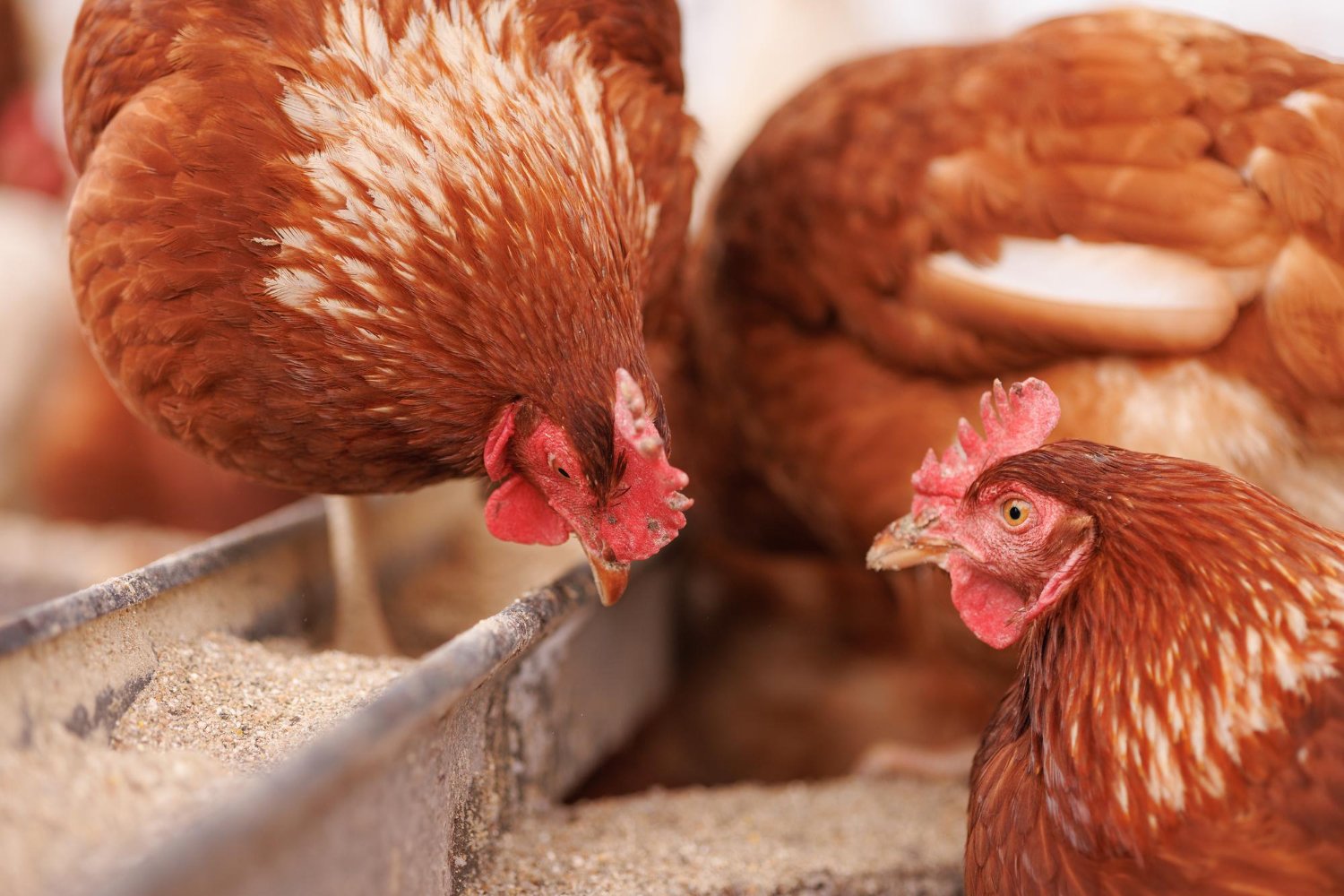
The farm in Grootegast has around 51,000 hens. To stop the virus spreading, the ministry ordered all the birds to be culled. The work is being carried out by the Netherlands Food and Consumer Product Safety Authority (NVWA).
A 10-kilometre restriction zone has been set up around the farm, with a 3-kilometre protection zone inside a wider surveillance zone. There is one more poultry farm within one kilometre, another within three kilometres and 16 in the whole 10-kilometre zone. The NVWA is checking the farms in the inner zones. Some farms are also in the zone around Lutjegast: the two villages are very close to each other.
A movement ban applies throughout the 10-kilometre zone: no birds, hatching eggs or table eggs may leave premises where birds are kept, and nor may poultry manure or used litter. The NVWA is also tracing where birds and products from the farm went in the preceding days and where they came from. Any risky contacts will be checked or blocked.
"Indoors" and "under netting": what's the difference
The new rules distinguish between two types of requirement.
- Housing order (ophokplicht) — for all commercial poultry. Chickens, ducks, geese and turkeys on farms must be kept in the poultry house, with no outdoor access.
- Shielding requirement (afschermplicht) — for birds kept for non-commercial purposes, such as backyard chickens. They can still go outside, but only into a run covered by netting or a roof, so that wild birds can't get in or leave droppings.
There's also an exception for farms: pheasants and ostriches on commercial farms are physically difficult to keep indoors, so only the shielding requirement applies to them. The measures took effect immediately and no end date has been set.
A total ban on shows and visits
The Netherlands already had a ban on bird shows, but with exceptions. Those exceptions have now been withdrawn: shows of so-called "high-risk birds" — chickens, ducks, geese and other species that are easily infected — are banned outright. For fanciers and breed clubs this is a painful decision, as autumn and winter are the main show season.
The nationwide ban on visits to poultry houses on commercial farms has also been tightened. Visits are allowed only when needed for human or animal health, the birds' welfare or the health of people in the building. Visitors must follow a hygiene protocol and sign in.
I realise that poultry farmers with free-range flocks and hobby keepers will be hit hardest. Even so, it's important to limit contact between kept birds and potentially infected wild birds as much as possible.
Silvio Erkens, state secretary at the Dutch Ministry of Agriculture
Why the authorities didn't wait
After the first two outbreaks, the government was waiting for a risk assessment from its expert group on animal diseases. After the third, it decided to act immediately. In his letter to parliament, Erkens explains that live and dead wild birds with the virus are again being found in the country, reports of infected wild birds are coming in from other EU countries, and autumn migration is only just beginning.
Experience from previous years shows that the number of outbreaks on farms rises sharply in October and November. So the measures were introduced in advance, rather than waiting until the virus reached dozens of farms. The expert group will meet soon in any case, and the risk will now be assessed more often.
What's happening in neighbouring countries
The Netherlands isn't alone. According to the government, outbreaks on farms have been confirmed again this autumn in Denmark, Germany, Bulgaria and the UK. In Denmark the virus was found on two turkey farms and a small backyard flock within a week, in Germany on several farms in different states, and in England on a farm in Northumberland.
The virus arrives with migrating waterbirds, which fly south in autumn to winter along the coasts of the North Sea and the Baltic. That's why the first autumn outbreaks almost always appear in these countries, after which the virus can move further inland.
Vaccinating laying hens: a plan by the end of the year
Every outbreak means culling tens of thousands of birds and losses for farmers. The Dutch government wants to stop this happening every year and is working with the sector on a plan for compulsory vaccination of laying hens. A separate task is removing trade barriers, as some importing countries don't accept products from vaccinated birds. The state secretary has promised to send the plan to parliament before the end of 2026.
The Netherlands is one of the few EU countries seriously preparing to vaccinate hens. Until vaccination becomes widespread, the main protection remains the same: preventing contact between domestic and wild birds and culling quickly on infected farms.
What changes for people buying eggs
For free-range farmers, a housing order is a big change: the hens stay inside, and shoppers may ask whether the eggs are still "free range". Under EU rules, eggs from hens temporarily housed on the orders of the veterinary authorities can continue to be sold with their usual labelling. For shoppers, the main thing is that the eggs themselves are safe: products from healthy birds on supervised farms can be eaten as usual, and the virus is killed by cooking.
What backyard chicken keepers should do
If you keep a few chickens, ducks or geese, the new rules apply to you too, even if you don't live in the Netherlands: bird flu is equally dangerous to any flock. Simple measures reduce the risk:
- Cover the run with netting or a roof so wild birds can't fly in or leave droppings.
- Feed and water your birds under cover: open feeders attract wild ducks, gulls and pigeons.
- Keep domestic ducks and geese away from ponds and ditches where wild birds swim.
- Keep separate footwear for the hen house and wash your hands after handling birds.
- Watch your flock's health: sudden deaths, lethargy, loss of appetite or a drop in laying mean you should call your vet straight away.
Why this matters to cat owners
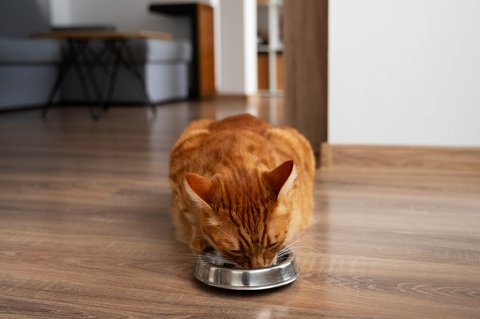
Cats are susceptible to the current strain of bird flu. They become infected by catching and eating sick birds or being fed raw poultry. In cats the disease is severe: high temperature, lethargy, loss of appetite, breathing difficulties, wobbliness and seizures. In areas with outbreaks, vets advise not letting cats roam unsupervised, especially near water and fields where wild birds gather, and not feeding them raw poultry.
Dogs are infected much less often, but they shouldn't pick up dead birds either. Keep your dog on a lead on walks near water.
Is the virus dangerous to people
The risk to people remains low: a person can only be infected through very close contact with a sick bird. Even so, dead wild birds shouldn't be touched with bare hands. The Dutch government reminds everyone who deals with wild birds or their carcasses that they may be infected and that safety precautions should be followed. In Great Britain, dead wild birds should be reported to the Defra helpline.
What happens next
The requirement to keep birds indoors stays in place until it is lifted — once a risk assessment shows the threat has fallen. The zones around the three farms won't be lifted straight away either: under EU rules a protection zone remains in force for at least three weeks after the infected farm has been cleaned and disinfected, and a surveillance zone for at least a month. If there are more outbreaks, the authorities may add new zones and measures.
The Netherlands probably won't be the last country to bring poultry indoors this autumn. In England, housing measures are introduced by Defra as part of an Avian Influenza Prevention Zone, so poultry keepers should follow official announcements and get their runs ready in advance.
When to see a vet
If chickens, ducks or geese in your flock suddenly die or fall ill, call your vet or the animal health authority straight away: suspected bird flu must be reported. If your cat or dog has had contact with a dead bird and then becomes lethargic, develops a fever, a cough, breathing difficulties or wobbliness, see a vet and be sure to mention the contact.
Sources
- Government of the Netherlands (Rijksoverheid), Ministry of Agriculture LVVN, 28 October 2026
- Government of the Netherlands (Rijksoverheid), 28 October 2026
- Letter from the LVVN state secretary to the House of Representatives, 28 October 2026