Contents
- What happened
- The first case in a cat
- The Arizona case
- What New World screwworm is
- Why the cat is a special case
- Why pets are at risk
- Signs of infestation
- What to do if you find larvae
- Why you shouldn't wait
- How it's treated
- Prevention for cats and dogs
- How the outbreak developed
- Is the fly dangerous to people
- Livestock and the Mexican border
- How the US fought the fly before
- Fly larvae in Europe: different flies, similar suffering
- What this means for Europe
- When to see a vet
What happened
On 29 October 2026 the Center for Infectious Disease Research and Policy (CIDRAP) at the University of Minnesota reported five new cases of New World screwworm infestation in the US. All were confirmed in recent days by the US Department of Agriculture's Animal and Plant Health Inspection Service (APHIS), and all were in pets.
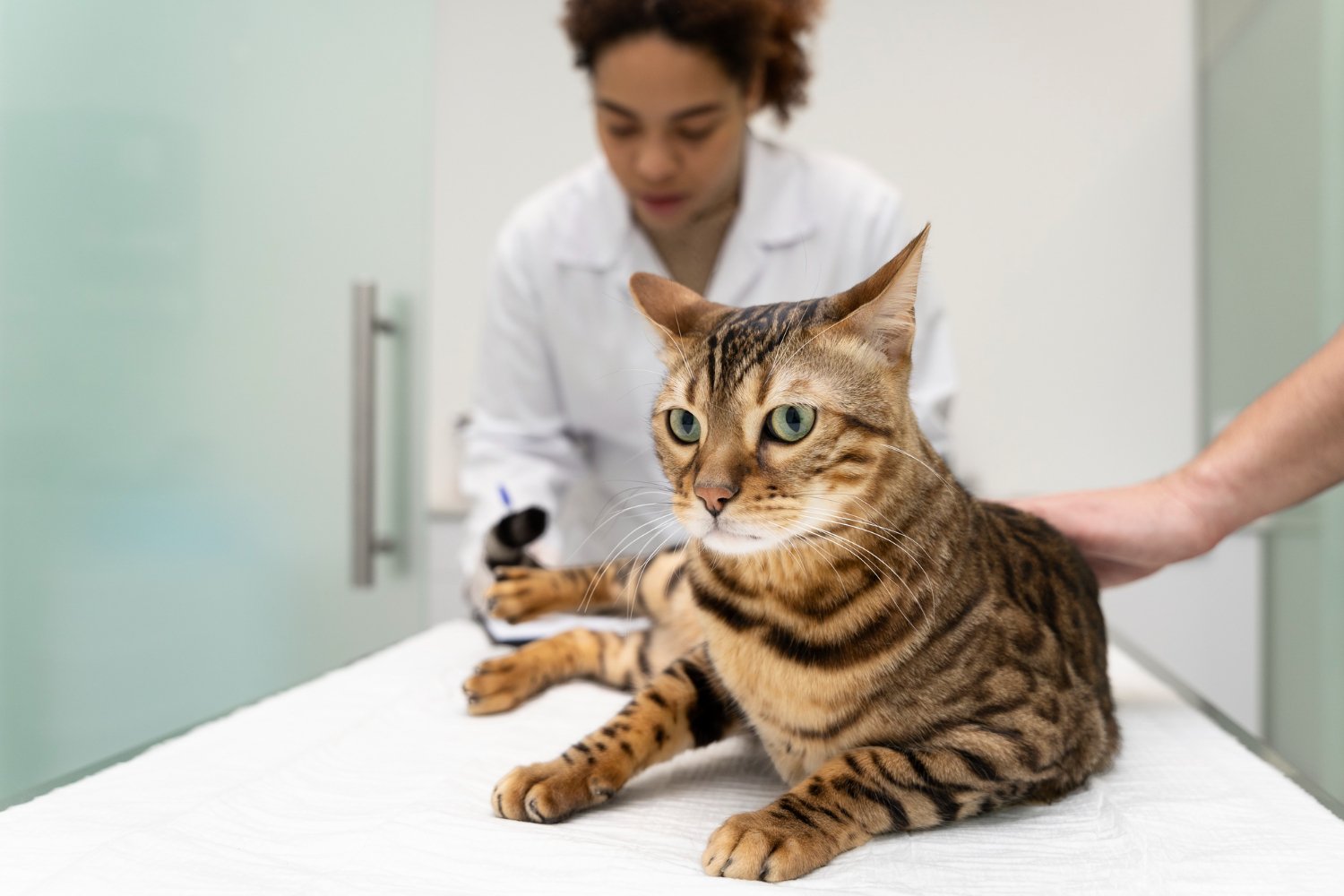
Four cases were in dogs in Arizona, New Mexico and Texas. The fifth was in a pet cat in New Mexico. It's the first confirmed case in a cat since the current outbreak began.
CIDRAP, APHIS; 29 October 2026
The first case in a cat
Until now, screwworm in the US had mainly been found in farm animals — cattle and sheep in Texas and New Mexico — and among pets only in dogs. The case in a cat shows that any warm-blooded animal with an open wound is at risk where the parasite is spreading. CIDRAP gives no details about the cat's age, where the wound was or how it's doing.
The Arizona case
One of the new cases was the first for Arizona. According to the state's Department of Agriculture, a vet found a heavily infested wound on the back of a dog in Cochise County, which borders Mexico and New Mexico. We've already covered this case in detail. The Arizona authorities urged livestock owners, pet owners and everyone who works with animals to monitor them closely and report unusual wounds immediately.
What New World screwworm is
New World screwworm (Cochliomyia hominivorax) is a parasitic fly that has been spreading north from Central America in recent years. Females lay their eggs in open wounds or on the mucous membranes of warm-blooded animals. The larvae that hatch feed on living tissue, making the wound deeper and wider. Without treatment, an infestation can be fatal. What sets it apart from ordinary flies, which lay eggs on dead tissue, is that its larvae eat living flesh.
Why the cat is a special case
Cats groom a lot, which protects them to some extent: they clean small wounds themselves. But outdoor cats often have hidden wounds and abscesses from fights, especially unneutered toms. Under thick fur, a wound like this is easy to miss until it starts to smell or larvae appear. So where the fly is spreading, it's worth feeling over your cat regularly, paying attention to the neck, head, base of the tail and paws.
Why pets are at risk
A small wound is all the fly needs. In cats and dogs these can be:
- wounds from fights with other animals — especially in outdoor cats;
- scratches, cuts and insect bites that the animal has scratched open;
- surgical stitches, for example after neutering;
- the navel of newborn puppies and kittens;
- ears, eyes, nose and the area under the tail, especially with inflammation and discharge.
Signs of infestation
Be alert if:
- a wound doesn't heal but gets bigger and deeper;
- fluid with an unpleasant smell comes from the wound;
- larvae are visible in the wound or white egg masses around it;
- your pet keeps licking, rubbing or scratching one spot;
- your pet seems lethargic, won't eat or has a fever.
What to do if you find larvae
- Call your vet straight away and explain that you can see larvae in the wound.
- Don't try to treat it yourself with home remedies — the larvae go deep into the tissue.
- If your vet asks, collect a few larvae in a sealed container with alcohol — they need to be identified.
- Don't simply throw the larvae away: where the fly is spreading, cases are reported to the authorities.
- Keep your pet indoors so flies can't get to the wound.
Why you shouldn't wait
Larvae grow fast and burrow deep into tissue within the first few days, and the smell of the wound attracts more flies, which lay more eggs. A wound that looked small in the morning can be noticeably deeper by evening. In small animals, including kittens and puppies, an infestation is especially dangerous: even a small affected area can lead to severe infection and dehydration. So if you suspect larvae in a wound, get to a vet the same day.
How it's treated
The vet gives the animal pain relief, carefully removes all the larvae, cleans and dresses the wound, and prescribes pain relief and antibiotics if needed. In recent months the US Food and Drug Administration (FDA) has issued several emergency authorisations for products to treat and prevent screwworm in dogs and cats. They're prescribed by a vet, who chooses the product and dose according to species, weight and condition. Don't give a cat products meant for dogs or livestock: some are poisonous to cats.
Prevention for cats and dogs
- Check your pet every day, especially if they go outdoors.
- Treat wounds straight away and show deep or non-healing ones to your vet.
- Limit your cat's time outdoors in areas where screwworm has been found.
- After surgery, keep your pet indoors until the stitches have healed.
- Treat ear, eye and skin inflammation promptly — discharge attracts flies.
- Ask your vet about parasite products suitable for your region.
How the outbreak developed
According to CIDRAP, the current US outbreak began in June. The parasite was first found in cattle and sheep in Texas and New Mexico, then in dogs, then in a wild animal for the first time and, at the end of October, in Arizona and in a cat. By the end of October, 71 cases had been confirmed in total. The affected area is gradually widening, and the authorities in border states are asking owners to be especially vigilant.
Is the fly dangerous to people
New World screwworm larvae can also infest people — this is known as myiasis. Human cases are rare and usually linked to open wounds, especially in people who spend a lot of time outdoors and around animals. Simple measures help: keep wounds covered, clean cuts and wear gloves when handling sick animals. If larvae appear in a person's wound, see a doctor immediately.
Livestock and the Mexican border
State and federal authorities are mainly worried about livestock: in the second half of the 20th century it took the US decades to get rid of the fly on its territory. According to CIDRAP, New Mexico opened a cattle crossing on the Mexican border at the end of October, despite the new cases. The US Department of Agriculture urges animal owners in affected areas to check their animals every day for draining or enlarging wounds, larvae and egg masses.
How the US fought the fly before
Last century the US and Mexico eradicated the fly on their territory using sterile males: factories reared millions of flies, sterilised them with radiation and released them into the wild. Females that mated with sterile males laid unfertilised eggs, and the population gradually disappeared. The method is being used again now to stop the fly spreading north.
Fly larvae in Europe: different flies, similar suffering
Europe has its own flies whose larvae attack animals. In summer, greenbottles and bluebottles lay eggs in soiled fur, and the larvae start eating skin and tissue — this is known as flystrike, or myiasis. It most often affects rabbits with fur soiled by droppings under the tail, and sheep. Flystrike develops within hours, so check rabbits every day in summer, keep hutches clean and treat digestive problems and excess weight, which stop a rabbit from cleaning itself.
What this means for Europe
New World screwworm isn't established in Europe, and there's no direct threat to European cats and dogs at the moment. But the story from the US matters for owners who travel to the Americas with pets or bring animals from there: check your pet carefully after the trip and show any suspicious wound to a vet straight away. It's also useful for European vets to know what such an infestation looks like, so an imported case isn't missed.
When to see a vet
See a vet urgently if a wound on your cat or dog isn't healing, is getting bigger, smells unpleasant or has larvae in it. If you've recently been with your pet in the US, Mexico, or Central or South America, be sure to mention it. Even a small wound with larvae needs professional treatment: the sooner it's done, the less damage there will be.
Sources
- CIDRAP (University of Minnesota), 29 October 2026