Contents
- What has happened
- Why the farm was already under restrictions
- What will happen to the animals
- FMD in Korea in 2026
- A nationwide disinfection week
- What foot-and-mouth disease is
- Why vaccination doesn't give full protection
- How to recognise FMD in livestock
- How the virus gets from farm to farm
- Is FMD dangerous to people and pets
- What this means for Europe and the UK
- What travellers and farmers should know
- What happens next
- When to call a vet
What has happened
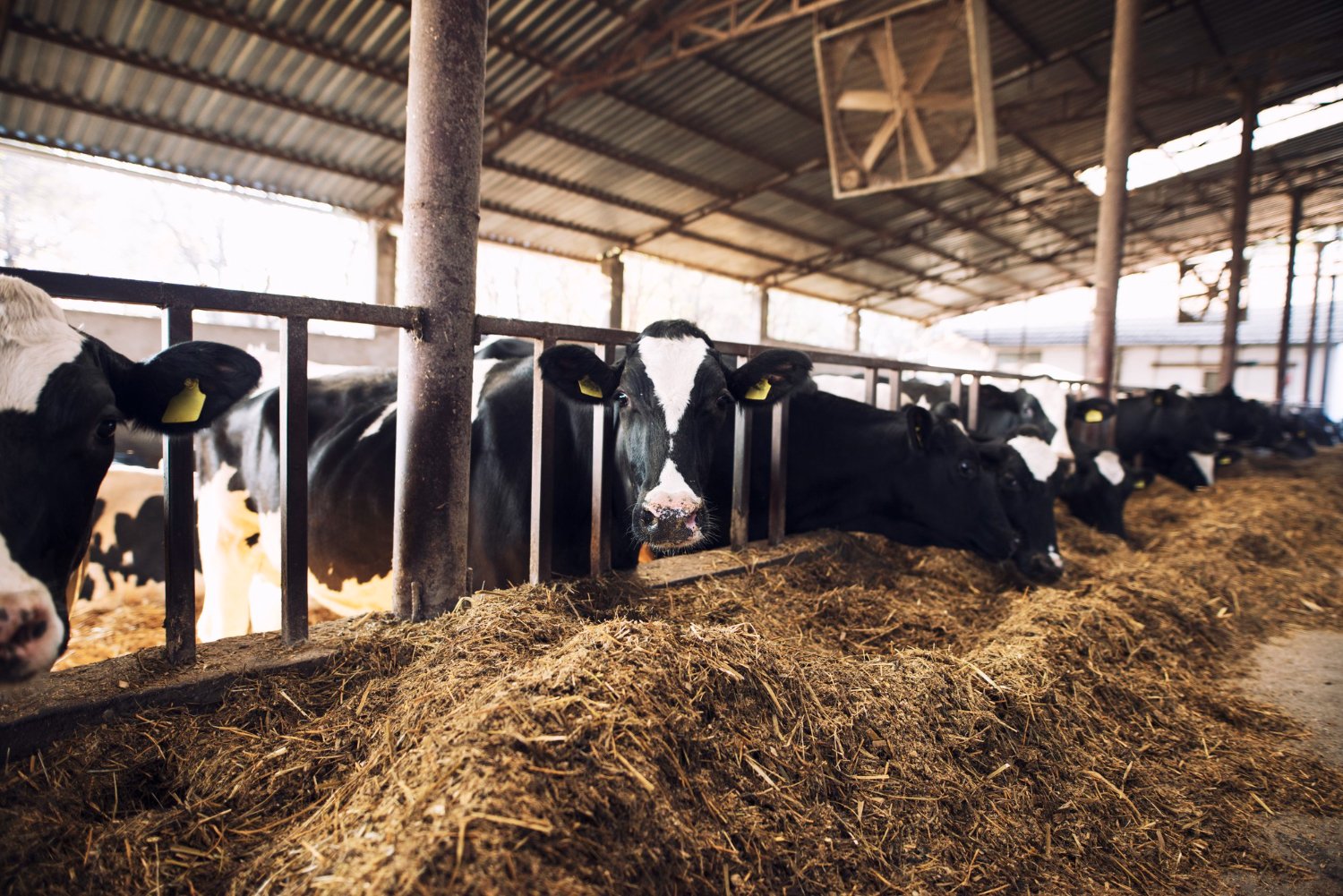
On 28 October 2026 the central foot-and-mouth disease control headquarters at South Korea's Ministry of Agriculture, Food and Rural Affairs (MAFRA) reported a new case of foot-and-mouth disease (FMD). The virus was found on a cattle farm in Ganghwa County, which is part of the city of Incheon in the north-west of the country.
The farm has 23 cattle. Three of them tested positive for FMD virus antigen. The farm wasn't new to the vets: it lies within the three-kilometre zone set up after outbreaks in the same county in September and was already under restrictions on animal movements.
MAFRA; 28 October 2026
Why the farm was already under restrictions
In September two FMD outbreaks were confirmed in Ganghwa, on 16 and 19 September. Restriction zones were set up around the infected farms, and all farms with cloven-hoofed animals within the three-kilometre zone were placed under control: animals couldn't be moved out.
To lift the restrictions, vets must make sure the virus is no longer circulating, so they test animals in the zone. It was during this testing that three positive cattle were found. This means the virus had remained in the area, even though the situation appeared calm.
What will happen to the animals
An initial response team and epidemiologists were sent to the farm. Access for outsiders, animals and vehicles has been closed, and specialists are working out where the virus may have come from and what contacts the farm had.
The three cattle with confirmed infection will be culled. The rest of the animals will be tested again: if any develop signs of disease or test positive, they will be culled too. In Korea, where cattle are vaccinated against FMD, outbreaks usually lead to culling only the infected animals rather than the whole herd — an approach known as partial culling.
FMD in Korea in 2026
The new case is the 15th in the country since the start of the year. There were nine outbreaks in Yecheon (North Gyeongsang province), two in Goyang (Gyeonggi province) and four, including the latest, in Ganghwa.
The authorities describe the situation as serious: FMD has reappeared in an area where it had already been found. This means restrictions in Ganghwa will last longer, and neighbouring areas will have to be especially careful.
FMD has reappeared in Ganghwa, where it had already been found — this is a serious situation. Agencies and local governments must put every effort into farm surveillance, intensive disinfection and monitoring of antibodies to infection.
FMD central control headquarters, South Korean Ministry of Agriculture
A nationwide disinfection week
In Ganghwa and the neighbouring city of Gimpo (Gyeonggi province), farms with cloven-hoofed animals, livestock facilities and vehicles are being washed and disinfected especially thoroughly. Thirty-three pieces of equipment have been brought in, including special road disinfection vehicles.
From 29 October to 4 November a week of intensive disinfection has been declared across the whole country. All farms with cattle, pigs, goats and other cloven-hoofed animals are being treated, as are livestock vehicles — not only the wheels and body outside but the cab inside too. At the same time, every cattle farm is being checked for animals missed during vaccination, and these are being vaccinated.
What foot-and-mouth disease is
FMD is a highly contagious viral disease of cattle, pigs, sheep, goats and other cloven-hoofed animals. The virus spreads easily through contact between animals, via feed, water, manure, vehicles and people's clothes and shoes, and even through the air over short distances. Adult animals usually survive but lose a lot of weight and milk, while young animals can die.
There are seven types of FMD virus, and vaccination against one type doesn't protect against another. So vaccines are chosen to match the types found in the region. For agriculture, FMD is one of the most costly diseases. A country where it's found loses the right to sell meat and dairy products to many other countries until it proves the disease has been eradicated.
Why vaccination doesn't give full protection
In South Korea cattle and pigs are vaccinated against FMD nationwide — a rule introduced after a severe epidemic in 2010–2011. The vaccine greatly reduces the risk but doesn't remove it entirely. Protection is weaker if an animal has missed a vaccination, if it's young and its immunity hasn't yet developed, or if the virus differs slightly from the vaccine strain.
That's why, with every outbreak, the authorities look for animals missed during vaccination and test for special antibodies to the virus's so-called non-structural proteins. These antibodies appear after real infection, not after vaccination, and help to tell an infected animal from a vaccinated one.
How to recognise FMD in livestock
FMD can be suspected from these signs:
- high temperature, lethargy and loss of appetite;
- heavy drooling, lip-smacking and froth at the mouth;
- blisters and ulcers in the mouth, on the tongue, on the udder and between the claws;
- lameness — the animal is reluctant to get up and walk;
- a sharp drop in milk yield in dairy cows.
In vaccinated animals the signs may be milder, which is why regular testing matters so much.
How the virus gets from farm to farm
FMD doesn't spread only through direct contact between animals. The virus survives for a long time in manure, bedding, feed and on surfaces, especially in cold, damp weather. That's why vehicles that visit several farms a day are dangerous: livestock lorries, feed lorries, manure trucks and milk tankers. The virus travels on wheels, in the load area and on the driver's boots.
That's exactly why the Korean authorities disinfect vehicles inside — mats, pedals and steering wheel — as well as outside. For farmers, the key rules are:
- keep outsiders out of animal buildings and record all visitors;
- keep separate clothes and footwear for the farm and disinfectant mats at the entrance;
- keep vehicles away from animals — load livestock and feed outside the fence;
- vaccinate all animals on time, including young stock and new arrivals.
Is FMD dangerous to people and pets
FMD isn't considered a threat to human health: meat and milk from farms under veterinary control are safe. Dogs and cats don't get FMD. But people, dogs and vehicles can carry the virus on clothes, fur, paws and wheels from one farm to another. That's why outsiders aren't allowed onto farms in outbreak zones, and dog owners in the countryside are advised not to let their dogs run across other people's pasture.
What this means for Europe and the UK
Europe knows all too well how dangerous FMD is. In January 2025 the virus was found in Germany for the first time in almost 40 years — in water buffalo in Brandenburg. In spring that year FMD was confirmed on farms in Hungary and Slovakia, and both countries culled thousands of animals and closed their borders to livestock exports for a long time.
Unlike Korea, the EU doesn't vaccinate against FMD: it keeps its status as free of the disease without vaccination and culls animals on infected farms if there is an outbreak. Europe's main defence is to stop the virus being brought in. That's why bringing meat and dairy products from outside the EU in personal luggage is banned. Cases in Asia, Africa and the Middle East are a reminder of these rules. In Great Britain, suspected FMD must be reported immediately to the Animal and Plant Health Agency (APHA).
What travellers and farmers should know
If you travel to countries where FMD occurs, including South Korea, don't bring back meat, sausage, cheese, milk or other animal products. If you've been on a farm abroad, don't go near your own animals in the same clothes and footwear until they've been washed and disinfected. Farmers should only allow visitors in clean clothes and footwear and keep a record of who has visited the farm.
What happens next
Epidemiologists are investigating how the virus survived in the zone after the September outbreaks. Lifting the restrictions in Ganghwa will be delayed: first it must be clear that there are no new cases. For farmers in the county, this means several more weeks without selling or moving livestock, and for neighbouring Gimpo, stepped-up checks and disinfection. The disinfection week runs until 4 November, and the check for missed vaccinations is nationwide. If tests find more infected animals, the Korean authorities may introduce additional measures.
When to call a vet
If your cattle, pigs, sheep or goats develop a high temperature, drooling, blisters and ulcers in the mouth or on the feet, lameness or a sharp drop in milk yield, call a vet straight away and don't move the animals. Suspected FMD must be reported immediately to the veterinary authorities in any country: how quickly you call determines how many farms are affected.
Sources
- Ministry of Agriculture, Food and Rural Affairs of the Republic of Korea (MAFRA), FMD central headquarters, 28 October 2026