Contents
- What happened
- What quarantine detector dogs do
- How detector dogs help protect animals
- What happened at the reunion
- How Korea helps families
- The main difficulty is the cost of treatment
- A support centre and lifelong care
- How to adopt such a dog in Korea
- A dog's life after service
- An older dog's health: what to look for
- What this means for Europe
- If you'd like to adopt a retired service dog in Europe
- When to see a vet
What happened
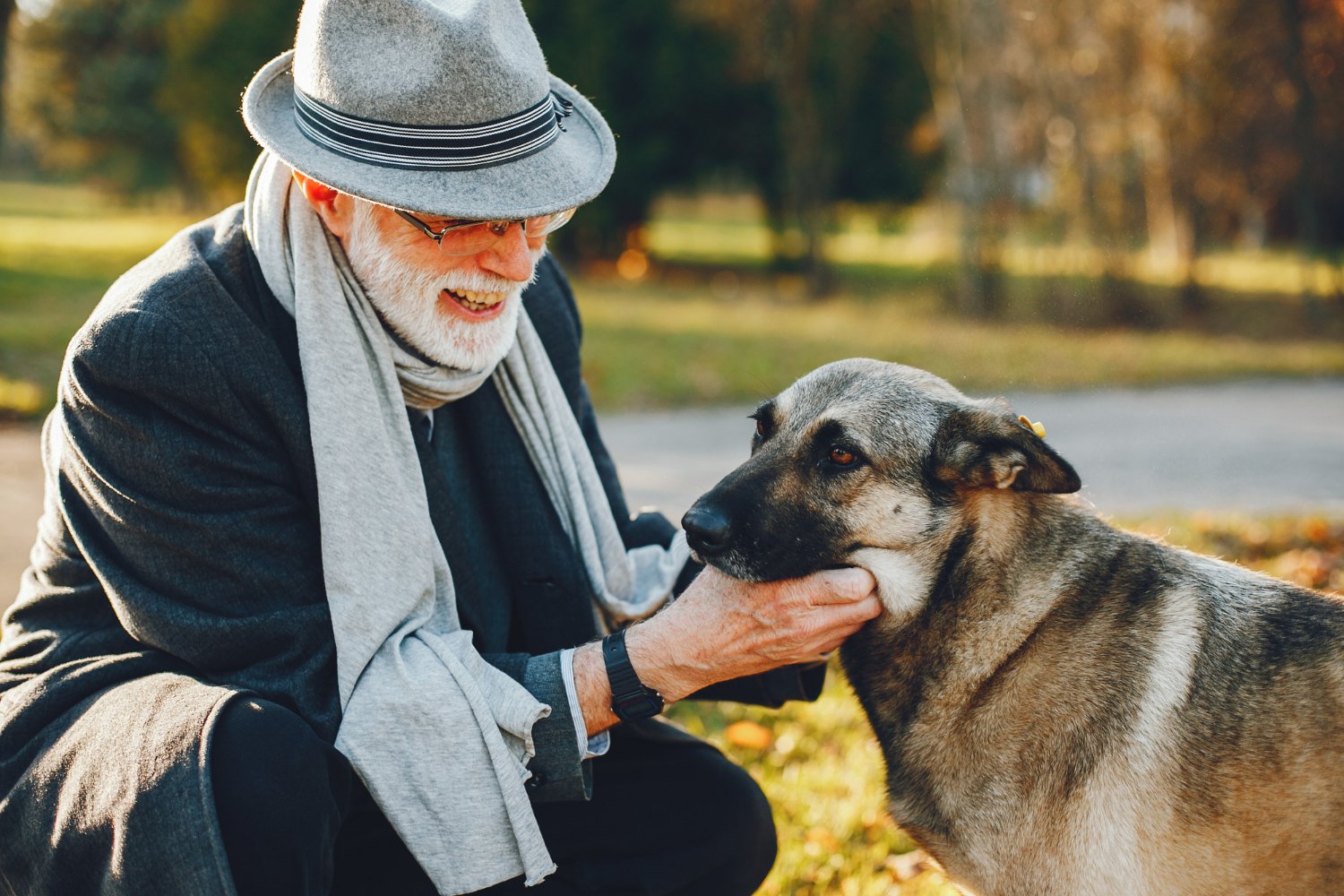
On 30 October 2026 South Korea's Ministry of Agriculture, Food and Rural Affairs and the Animal and Plant Quarantine Agency held their annual "homecoming day". Eleven former service dogs came to the quarantine detector dog centre on Yeongjong Island, home to the country's main airport, along with the families who adopted them after they retired.
These reunions have taken place every October since 2023. For the agency, they're a way of finding out how the dogs are getting on after service, and for families a chance to share experience and get advice.
MAFRA; 30 October 2026
What quarantine detector dogs do
Quarantine detector dogs work at airports and ports. They use their noses to find meat, sausages, fruit, plants and other products in passengers' luggage that can't be brought in without a permit. This protects the country from animal and plant diseases: African swine fever virus, for example, survives for months in meat products, and foot-and-mouth disease can arrive with dairy products.
These dogs serve for several years. When a dog grows old or its health no longer allows it to work, it retires and a family is sought for it. In Korea these animals are called "national service animals".
How detector dogs help protect animals
For veterinary medicine, these dogs are the first line of defence. A single sausage containing African swine fever virus, thrown into a bin near a farm by a tourist, can start an outbreak that leads to the culling of thousands of pigs. Dairy products and meat from countries with foot-and-mouth disease are just as dangerous: in October 2026 Korea again faced foot-and-mouth in cattle, and every parcel intercepted at the border reduces the risk of new introductions.
Dogs work faster and more discreetly than searching every suitcase. They check the flow of luggage and signal to their handler which bag to open. That's why quarantine services in many countries, including the US, Australia and New Zealand, keep their own detector dog teams.
What happened at the reunion
Families received plaques of thanks and described how their dogs are getting on, then everyone took part in an autumn sports day for dogs and owners. Vet Park Ji-ho, who works with the agency and the customs service and treats service dogs, gave a session on monitoring a dog's health when different symptoms appear.
After the plaques were handed out, there was a discussion about how to get more families to adopt retired service dogs.
How Korea helps families
Since September 2024 the ministry has had an agreement with trade associations: the Korean Veterinary Clinics Association, the Pet Food Association, two pet funeral associations and the Insurers' Association. Thanks to this, families who adopt national service animals get discounts on treatment, food and insurance.
Since April 2026 there has been a further scheme: the state refunds families part of the money they actually spend on keeping the dog. At the reunion a ministry representative checked how the support is working — another 17 companies joined the scheme this year — and listened to families' suggestions.
The main difficulty is the cost of treatment
Families named the cost of treatment as their biggest problem. Many retired service dogs are no longer young: they have sore joints and problems with their sight, hearing or heart. So the ministry reported on progress with its project for state-supported core vet clinics, one of the government's goals.
In addition, on 2 October the ministry signed an agreement with the vet clinics of four universities: Kangwon, Chungbuk, Chungnam and Chonnam. A pilot project will soon begin there, and the ministry explained to families how this support will work.
We're grateful to the families who took an interest in national service animals and became their new family. The government will strengthen its support so that animals that have served the country and its people get the respect and care they deserve after retirement.
Kim Jong-wook, head of agri-food innovation policy at the Korean agriculture ministry
A support centre and lifelong care
The ministry announced plans for a dedicated support centre for retired service animals. For now, the dogs can be found on the general state adoption platform. The centre should give people a chance to see and get to know the dogs in person.
Another promise concerns dogs that are hard to rehome: the state itself will look after old and sick dogs until the end of their lives. At the reunion officials heard from staff at the detector dog centre, who currently handle rehoming, and from the owners themselves.
How to adopt such a dog in Korea
Retired service dogs in Korea are listed on the state animal protection information system (animal.go.kr), in the section for adopting "national service animals". There you can find out which dogs are looking for a home and apply. The ministry wants future owners not just to read a profile but to meet the dog in person, which is what the dedicated support centre is for.
A dog's life after service
Retired working dogs are usually well trained and used to people and noisy places, but they need help at first. Vets and dog trainers usually advise:
- allowing time to adjust — a new routine after years of work doesn't come at once;
- keeping them occupied — treat-finding games and walks where they can use their nose help prevent boredom;
- watching their weight — after service, dogs move less and easily gain weight;
- planning regular check-ups — older dogs more often have arthritis and problems with their teeth, heart and kidneys.
Many retired service dogs have spent their whole lives in kennels rather than homes. They need time to get used to stairs, slippery floors, lifts, the sounds of household appliances and the fact that their owner goes out to work. A calm routine, their own resting place and patience in the first few weeks all help.
An older dog's health: what to look for
Most retired service dogs join their families when they're mature or elderly. Vets advise owners to watch out for a few things:
- joints — stiffness after sleep or reluctance to jump into the car or climb stairs often points to arthritis, which can be eased with treatment, weight control and the right exercise;
- teeth — tartar, bad breath and inflamed gums are very common in older dogs;
- weight — extra kilos speed up joint wear, while unexplained weight loss can be a sign of illness;
- thirst and urination — if your dog starts drinking a lot, have the kidneys and blood sugar checked;
- sight and hearing — older dogs see and hear less well, and it's worth adapting the home and walks to this.
Your vet may suggest blood and urine tests every six to twelve months for an older dog, to find problems earlier.
What this means for Europe
Thousands of service dogs work in Europe too — with the police, the armed forces and customs, and on border and veterinary checks at airports. When their service ends, dogs usually stay with their handlers or are rehomed through agencies and charities. But in most countries there's no systematic state support for retired service dogs as there is in Korea: owners pay for treatment themselves.
There are some individual examples. Some UK police forces have introduced "pensions" for service dogs — money for treatment after retirement. Korea's experience shows another approach: discounts through agreements with clinics and insurers, and a partial refund of costs. This matters for older dogs because treatment costs rise with age.
If you'd like to adopt a retired service dog in Europe
Ask the police, customs or armed forces in your country whether they have a rehoming scheme, or contact charities that work with service dogs. Before you take on a dog:
- Ask about health — what illnesses and injuries the dog has had and what medicines it takes.
- Find out about temperament — how the dog gets on with children, cats and other dogs.
- Think about the costs — an older dog may need regular treatment.
- Show the dog to a vet in the first few weeks and draw up a check-up plan.
When to see a vet
If a retired service dog starts limping, struggles to get up, walks more slowly, loses or gains weight, eats poorly or drinks a lot, take them to your vet. Older dogs benefit from a check-up every six months: many joint, heart and kidney problems are easier to treat when found early.
Sources
- Ministry of Agriculture, Food and Rural Affairs of the Republic of Korea (MAFRA), Animal and Plant Quarantine Agency, 30 October 2026