Contents
- What happened
- Where the story came from
- What the resident says
- What the data says
- A scientist's view
- The clearing itself is real
- How wolves respond to clearing
- Why wolves are seen more in autumn
- Why fake news about animals spreads so fast
- How to spot an unreliable animal story
- How to report a predator encounter
- What to do if you meet a wolf
- Wolves and dogs in Finland
- How to protect your dog in wolf areas
- Wolves and sheep
- What this means for Europe
- When to see a vet
What happened
On 30 October 2026 the Finnish public broadcaster Yle published a fact-check of a story that had spread in English-language media and on social networks in recent days. It claimed that wolves had come to the village of Otanmäki in eastern Finland because a Google subsidiary had cleared forest nearby to build a data centre. The piece was written by Johanna Vehkoo of Yle's verification team.
The check showed that the whole story rests on a single remark by one resident, and official data on wolf sightings doesn't support it. According to a scientist, a link between the clearing and wolf behaviour is unlikely.
Yle; 30 October 2026
Where the story came from
According to Yle, the story began with an article in Britain's The Guardian on 22 October about forest clearing for Google data centres in Finland. The correspondent visited Muhos and Otanmäki and spoke to people on the village's main street. One of them, Anni Ranta, said wolves had come into the village because all the wild animals had moved out of the forest.
The remark was picked up and repeated by other outlets, including the New York Post and Futurism. Memes with AI-generated wolves and captions about the clearing appeared on Instagram, TikTok and Facebook. And so a single remark became a "world-famous fact".
What the resident says
Anni Ranta has lived in Otanmäki for ten years. She told Yle she was with her stepfather when the correspondent was looking for people to interview and asking about the effect of the clearing on nature. She considers The Guardian article itself neutral, but believes the outlets that reprinted her words distorted them.
She hasn't seen wolves in the village herself, but has heard from others about encounters near homes. According to her, though, people don't report them to the official database.
They've moved closer to the village, but they don't harass people on the main street. People here aren't afraid of wolves: we live in nature's embrace.
Anni Ranta, Otanmäki resident
Ranta stressed that she didn't say wolves were running along the main street. She just believes the animals have changed their routes a little because of the clearing.
What the data says
In Finland, sightings of large predators are collected in the Tassu database at the Natural Resources Institute (Luke). Residents' reports are entered by trusted contacts approved by the institute. Luke research professor Otso Huitu, who studies the ecology of large predators, checked the system: not one wolf sighting has been recorded on the outskirts of Otanmäki all year.
This doesn't mean there are no wolves nearby. To the west of the village lies the well-known Vuolijoki-Marttinen wolf territory, and such territories cover hundreds or even more than a thousand square kilometres. Packs are constantly on the move within them.
A scientist's view
Otso Huitu doesn't believe the clearing for the data centre has affected the wolves' habitat. In his view, seeing a wolf in the village isn't impossible but it is unlikely. It's wrong to claim that the data centre project drove wolves towards people because they had nowhere else to go.
The bigger picture is that clearing is constantly going on in all of Finland's wolf territories. The wolves simply move aside.
Otso Huitu, research professor at the Natural Resources Institute Finland
The clearing itself is real
The clearing, however, isn't made up. According to Yle, a Google subsidiary cleared forest on sites in Muhos and Otanmäki, and in early October a Finnish regulator ordered clearing at both sites to stop. Google confirmed to Yle that 330 hectares were cleared in Muhos and just under 200 hectares in Kajaani. The area cleared in Otanmäki is smaller than in Muhos. The debate over data centres and forests in Finland continues, but the data suggests wolves have nothing to do with it.
How wolves respond to clearing
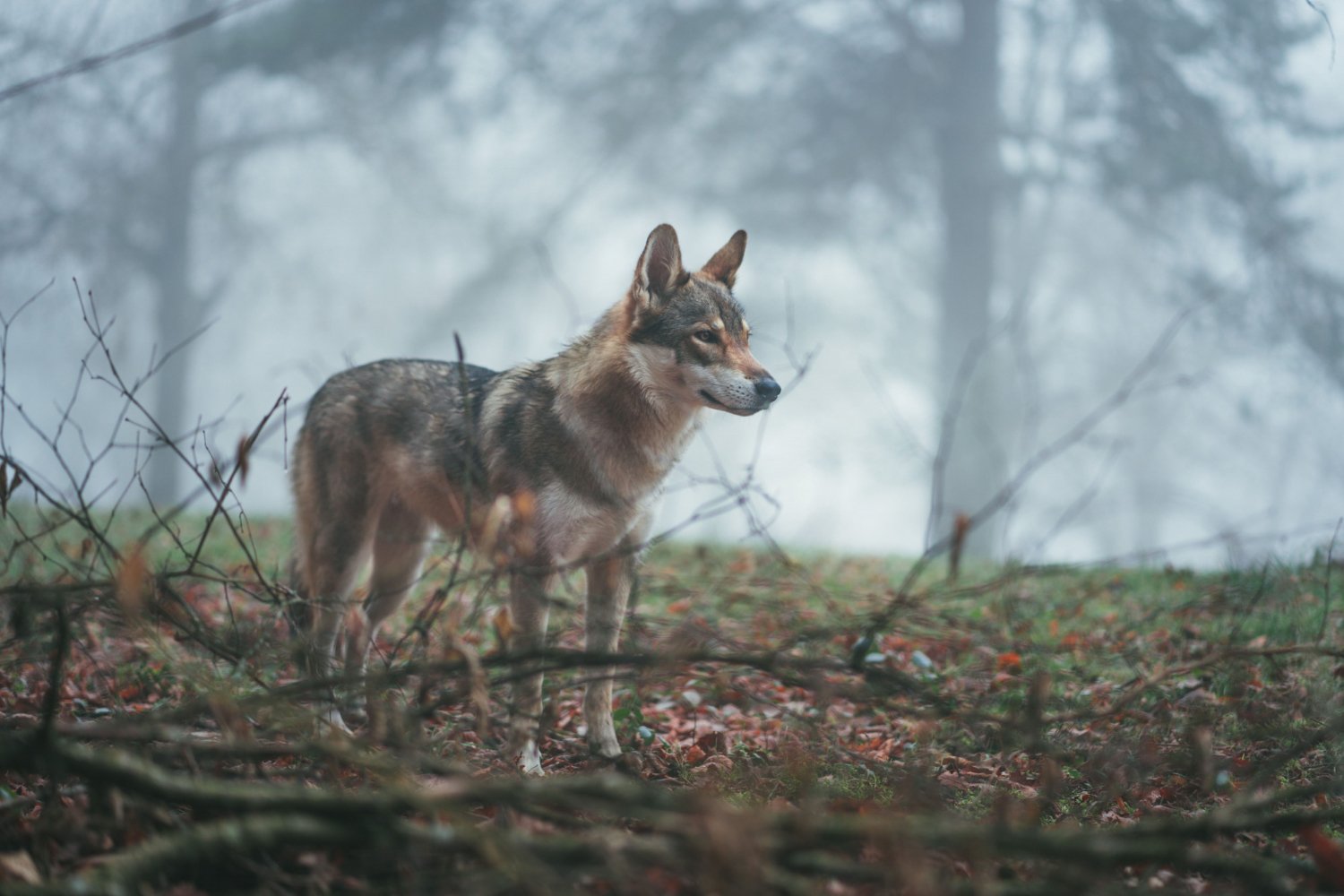
Wolves are highly mobile predators adapted to life in a changing forest. Their territory is huge, and clearing a site of a few hundred hectares is only a small part of a pack's range. The animals avoid noisy work sites and may temporarily change their usual routes, but they don't usually leave the territory. Wolf behaviour is much more strongly influenced by the amount of prey, such as elk and roe deer, and by disturbance from people.
Why wolves are seen more in autumn
Wolves in Finland live in packs, usually a family of parents and young. In autumn and winter, young wolves often leave their parents' pack in search of territory of their own, travelling long distances, sometimes close to villages and roads. It also gets dark early in autumn, and tracks show up clearly in the snow. So reports of wolves near homes are more common at this time of year, and not all of them are linked to clearing or other changes in the forest.
Why fake news about animals spreads so fast
Animal stories provoke strong emotions, and emotional posts spread faster and further on social media. When a big name such as a famous company is added to the mix, a story becomes ideal for repeating. Each new outlet strengthens the wording a little, and AI-generated images make the fiction look convincing.
How to spot an unreliable animal story
- Look for the original source: who reported it first, and is it based on data, experts or a single remark?
- Check official data: wildlife services, research institutes and veterinary authorities.
- Look closely at the images: AI-generated pictures often give themselves away with unnatural details.
- Beware of sweeping claims: "all the animals have left the forest" sounds dramatic but is rarely true.
- Look for specialist opinion: from zoologists, vets and wildlife biologists.
How to report a predator encounter
In Finland, sightings of wolves, bears, lynx and wolverines are entered into the Tassu database through trusted contacts, usually members of local hunting associations approved by the Natural Resources Institute. It helps to have the date and time, the exact place, a description of the animal and photos of tracks or the animal itself. It's just this kind of data that helps scientists estimate wolf numbers and understand where they're really found.
What to do if you meet a wolf
- Don't run: stop calmly and give the wolf the chance to leave.
- Put your dog on a short lead or pick it up if it's small.
- Show that you're human: speak loudly and raise your arms to look bigger.
- Back away slowly without turning your back on the animal.
- Report the encounter, especially if the wolf didn't leave or came close to homes.
Wolves and dogs in Finland
For dog owners in Finland, the wolf is no abstract issue. In wolf areas, dogs sometimes become prey, especially hunting dogs working in the forest far from their owner and dogs left out overnight. So it's important to rely on real data about the presence of wolves rather than rumours, as this shows where caution is really needed.
How to protect your dog in wolf areas
- Don't leave your dog outside overnight without secure fencing.
- Walk your dog on a lead at dusk and at night, especially in the forest.
- Use a light-up collar and a bell to help keep sight of your dog.
- Find out about recent sightings in your area and report any encounters with wolves.
- Keep your dog close if you see a wolf: don't run, speak loudly and back away slowly.
Wolves and sheep
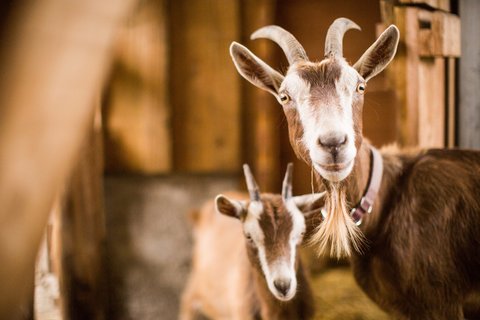
Owners of sheep, goats and other livestock in wolf areas are helped by electric fences of sufficient height, shutting animals in at night and livestock guardian dogs. A predator attack on livestock should be reported to local authorities: in Finland, damage from protected predators is usually compensated as long as the rules have been followed.
What this means for Europe
Wolves are returning to many parts of Europe, and stories about them are increasingly going viral, from "wolves at schools" to "packs in the suburbs". Some of these reports are confirmed, and others turn out to be exaggerated. The Otanmäki case shows how important it is to check striking stories against monitoring data. In 2025 the EU lowered the wolf's protection status, and debates about how to live alongside this predator continue in many countries, making it all the more important that they rest on facts.
When to see a vet
If a dog or sheep has been hurt by a wild predator, see a vet the same day: bites are often deeper than they look from the outside and easily become infected. Your vet will clean the wounds and give pain relief and, if needed, antibiotics. Report the attack to the local authorities and keep photos of the wounds, as you'll need them to prove the damage.
Sources
- Yle, 30 October 2026