Contents
- What customs officers found
- Snakes from Armenia
- Crocodiles, sharks and butterflies
- Parrots in plastic bottles
- Where breaches are most often found
- Holiday souvenirs
- What CITES is
- Why you can't just bring back a snake or lizard
- What happens to seized animals
- Why smuggling harms wildlife
- If you still want a snake or lizard
- What not to buy on your travels
- How to bring an animal back legally
- Dogs and cats are a separate matter
- The risk to health
- What to do if you've already bought a dubious souvenir
- What this means for Europe
- When to see a vet
What customs officers found
On 31 October 2026 Czech Television (ČT24) reported on the summer holiday season at Prague's Václav Havel Airport. During this time customs officers seized more than a hundred plants and animals and products made from them. The finds included shark collagen, a handbag made from a young crocodile, live snakes in hand luggage and a preserved protected exotic butterfly.
ČT24, Prague Ruzyně customs office; 31 October 2026
Snakes from Armenia
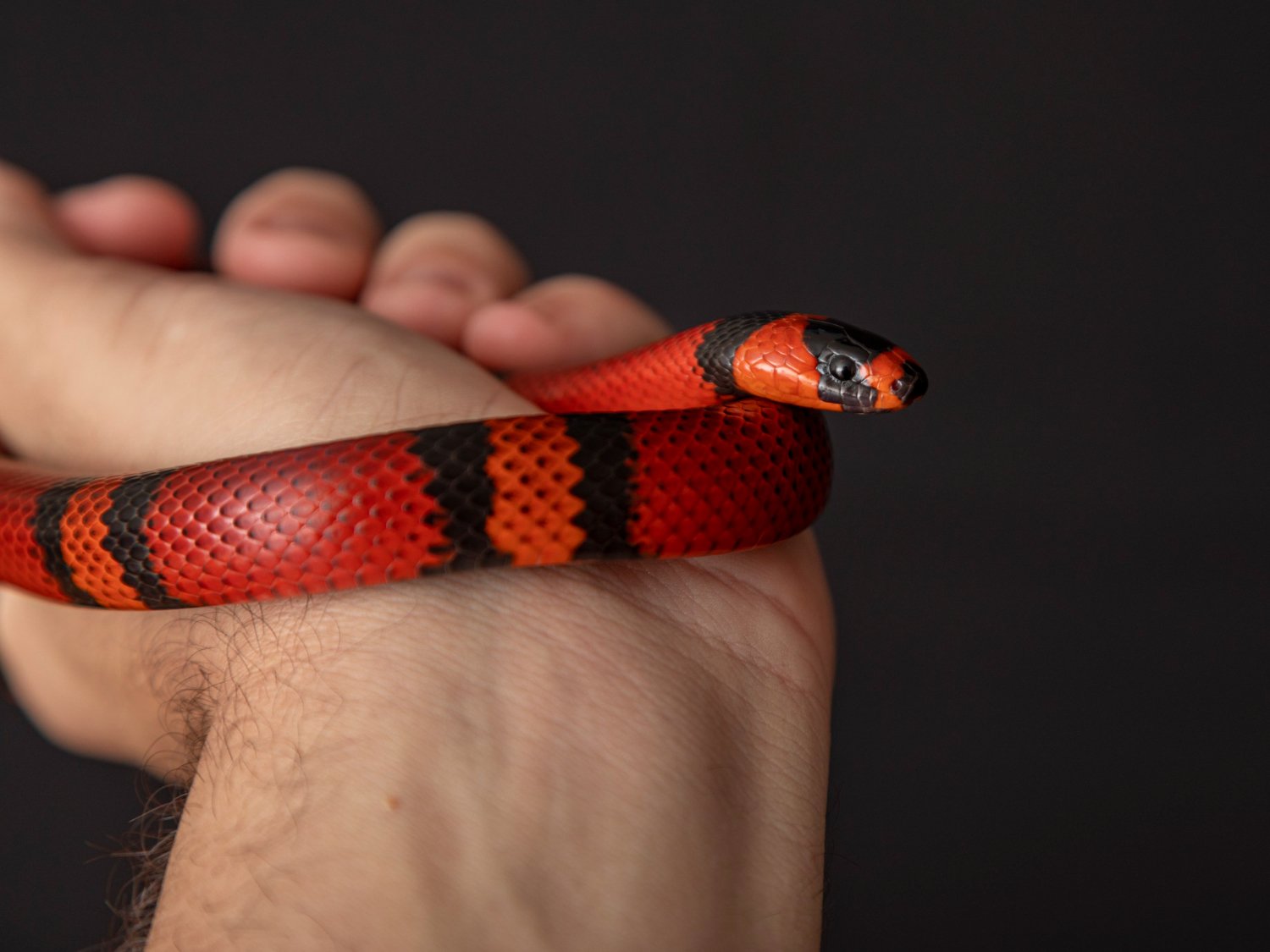
The most unusual story of the season came in spring. Passengers arriving from Armenia carried live snakes in their hand luggage: desert colubrids and desert vipers.
These weren't specimens listed under the CITES convention, but the snakes still weren't allowed in, and the vet unfortunately had to order them to be put down. They were non-invasive species of reptile.
Igor Lenský, spokesperson for the Prague Ruzyně customs office
Customs didn't explain the reasons for the decision in more detail. Bringing live animals into the EU from outside it normally requires veterinary paperwork and checks, and animals carried in a pocket or hand luggage usually have no such paperwork and their state of health is unknown.
Crocodiles, sharks and butterflies
In July customs officers found 17 cuttings of a live protected carnivorous plant. Also seized this season were preserved protected butterflies, a handbag made from the skin of a young crocodile, a crocodile-skin jacket, blue shark collagen and preparations from protected plants.
Customs most often deals with traditional Chinese medicine products that contain protected plants and animals. These turn up during checks on flights from outside Europe, as well as on flights within the Schengen area.
Parrots in plastic bottles
According to Igor Lenský, what's found depends on where the plane came from. Snakes and preparations from protected plants more often come from Asia. From South America, smugglers try to bring in parrot chicks or eggs, hidden in plastic bottles. For the birds, this journey is a terrible ordeal: many die on the way from suffocation, cold, dehydration and stress.
Where breaches are most often found
According to the spokesperson, most finds are made during checks on arrivals at Terminal 1, which receives flights from outside Europe, and Terminal 2, which handles Schengen flights. Breaches are also found from time to time at Terminals 3 and 4. Customs officers sort finds by route: where a plane has come from largely determines what they look for in luggage.
Holiday souvenirs
According to customs officers, many passengers don't even suspect that their purchase is restricted: they simply bring back an animal or plant as a souvenir.
We often buy something in good faith, without suspecting that it could become the subject of misdemeanour proceedings.
Igor Lenský, spokesperson for the Prague Ruzyně customs office
In the Czech Republic, smuggling protected species carries a fine of up to CZK 1.5 million.
What CITES is
CITES is the international convention on trade in endangered species of wild animals and plants. It divides protected species into groups: trade in the rarest is almost banned, while others need export and import permits. The EU applies the convention through its own rules, which are stricter in many respects, and Great Britain has its own version too. Protection covers not only live animals but also products made from them, such as skin, bone, shell, dried insects and coral, as well as plants from orchids to cacti.
Why you can't just bring back a snake or lizard
Even if a species isn't protected, a live animal isn't ordinary luggage. Its health is unknown, it may carry parasites and infections dangerous to other animals and people, and it quickly dies in unsuitable conditions. Travelling in a pocket or bottle is agony for an animal. So bringing in live animals requires veterinary paperwork and sometimes permits from conservation authorities, which must be arranged in advance.
What happens to seized animals
Seized live animals are, where possible, passed to rescue centres, zoos or specialist facilities that can keep exotic species. But it's rarely possible to return them to the wild: an animal may be ill, its origin is unknown, and it can't be released in an alien climate. Some animals die on the way or soon after seizure from stress, cold and dehydration. So almost every attempt to carry a live animal in a pocket or bottle ends badly for it.
Why smuggling harms wildlife
When tourists buy live animals or products made from them, they support demand and therefore capture in the wild. For every animal that reaches a buyer alive, many others often die during capture and transport. Slow-breeding species such as parrots, tortoises and large snakes are especially vulnerable: for them, even losing a small part of the population can be critical.
If you still want a snake or lizard
Reptiles are legally bred in captivity in many European countries. If you dream of having a snake or lizard, buy from a reputable breeder who provides proof of origin and, for protected species, registration papers. Prepare a vivarium in advance with the right temperature, light and humidity, and find a vet who treats reptiles. Many species live for decades, so it's a decision for years to come.
What not to buy on your travels
- Reptile skin products: bags, belts and shoes with no proof of origin.
- Coral, shells and dried seahorses.
- Ivory and turtle shell products.
- Dried insects: framed butterflies and beetles.
- Live animals and plants, from tortoises to orchids and cacti.
- Traditional medicine products containing animal parts and rare plants.
How to bring an animal back legally
- Find out the rules in advance from APHA or your country's veterinary service and from your carrier.
- Check whether the species is protected under CITES and EU or GB rules.
- Get the paperwork: a health certificate and, for protected species, export and import permits.
- Plan the journey: a suitable carrier, temperature and water.
- Go through the checks: don't hide the animal, and declare it at customs.
Dogs and cats are a separate matter
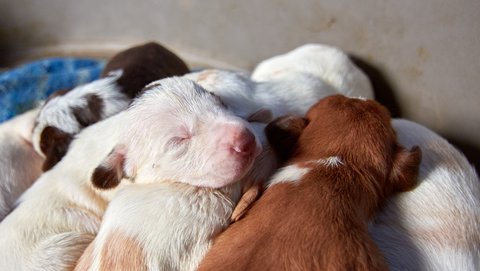
Dogs, cats and ferrets have their own rules in the EU: a microchip, rabies vaccination and a pet passport or health certificate, and a rabies antibody test for entry from some non-EU countries. If you want to bring home a puppy or kitten from a holiday, especially from outside the EU, check the requirements in advance: without paperwork, an animal may be refused entry, quarantined or sent back at the owner's expense.
The risk to health
Exotic animals caught in the wild or bought at markets often carry parasites and infections. Reptiles often shed salmonella even if they look healthy, birds may be infected with psittacosis, and insects and plants can carry pests. So veterinary border checks protect not only rare species but also people, pets and farming. Families with young children, pregnant women, older people and people with weakened immune systems should be especially careful with exotic animals, as infections carried by reptiles and birds are most dangerous for them.
What to do if you've already bought a dubious souvenir
If you're not sure whether you can bring something in, ask customs officers on arrival and declare it rather than hiding it. Being honest is usually better than trying to slip through. And if you see live wild animals or products from protected species on sale on your travels, don't buy them, even out of pity: demand keeps capture going.
What this means for Europe
Every year, EU airports seize thousands of protected animals, plants and products made from them, and a large share of these are holiday souvenirs. The Prague example shows that even a species not on the CITES lists can't simply be put in hand luggage: a live animal must cross a border with paperwork and under veterinary control. Before you travel, remember the rules, and remember that a "souvenir" often means an animal's death.
When to see a vet
If you've brought an exotic animal in legally or bought one in Europe, have it seen in its first few days by a vet who works with the species: recently transported animals often carry parasites and hidden infections. See a vet urgently if the animal refuses food, is lethargic or has discharge from the eyes or nose, laboured breathing or skin changes. Always wash your hands after contact with reptiles.
Sources
- ČT24 (Czech Television), 31 October 2026