Contents
- What happened
- How lead breaks bones
- How the young bats are nursed
- Why nine months
- Who is helping the centre
- Myths about bats
- Why bats are under threat
- What lead poisoning is
- Lead and pets
- Lead and pet birds
- What to do if you find a bat
- Why you shouldn't pick up bats with bare hands
- Bats and cats
- Bats in European cities
- How to help bats
- What this means for other European countries
- When to see a vet
What happened
On 30 October 2026, the day before Halloween, when bats decorate shop windows and homes, the French animal protection foundation 30 Millions d'Amis reported on the real troubles these animals face. Since 15 August the Instinct Animal wildlife centre (Alpes-Maritimes department), a partner of the foundation, has taken in nearly 300 young bats with lead poisoning.
They're young European free-tailed bats, known in French as Molosse de Cestoni, one of Europe's largest bats. According to the centre, Nice is the main breeding site for the species in the region, with a colony estimated at about 600 adults and around 300 young.
Fondation 30 Millions d'Amis, Instinct Animal; 30 October 2026
How lead breaks bones
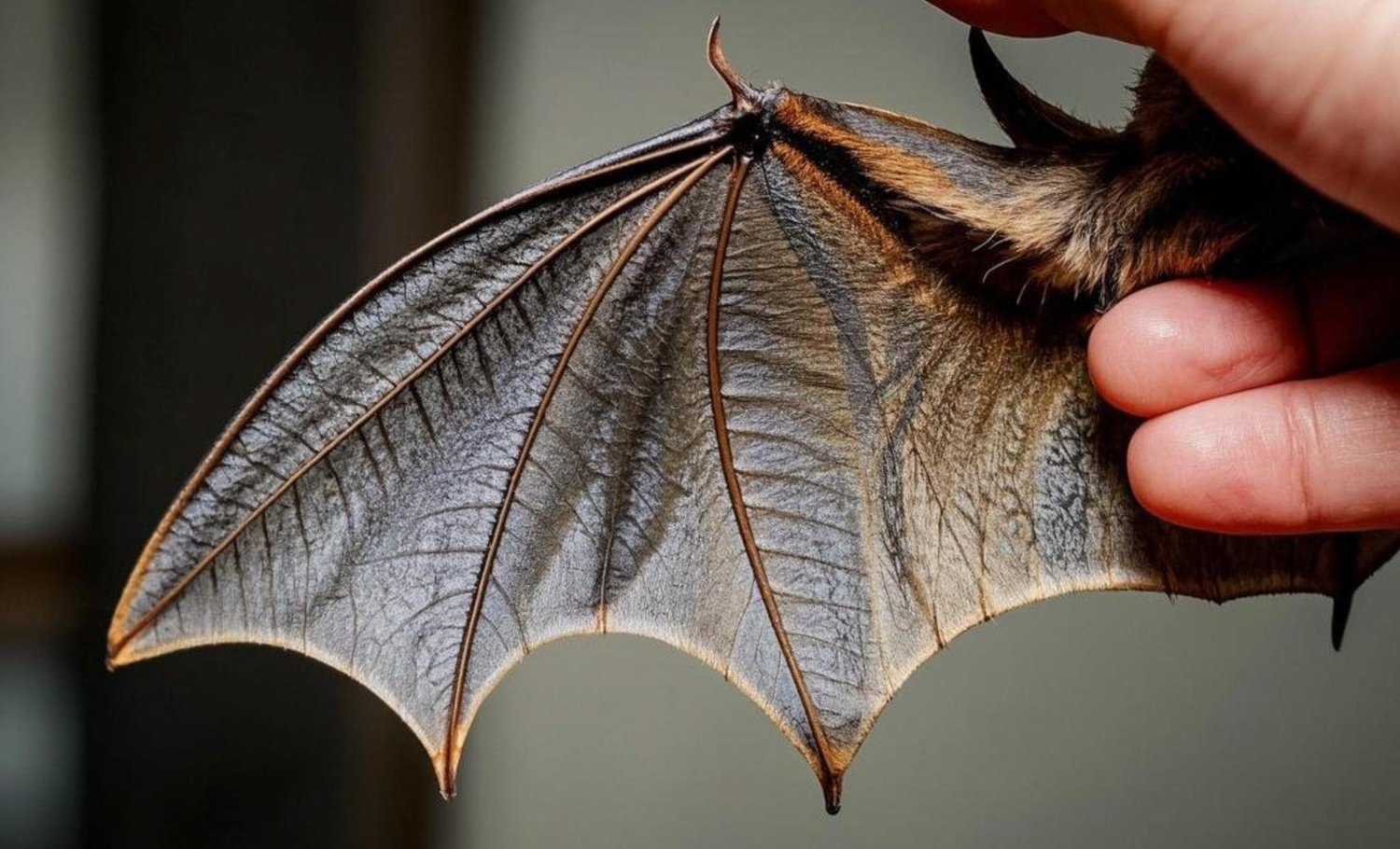
Specialists at the centre found that lead causes cysts in the young bats' bones, which make them break. "Once the bone is broken, they're doomed," explains Instinct Animal founder Lucie Contet. So the team devised special splints that prevent serious fractures and bone deformities.
Bats are little known even to wildlife centres, so treatment protocols had to be created from scratch. "We see what works and what doesn't," says Contet. The report doesn't say where the lead in the young bats' bodies came from.
How the young bats are nursed
The centre has set up an indoor aviary for the young bats to recover in. "We protected the windows with sheets and mosquito nets, and put mattresses on the floor to cushion falls," says the centre's administrative manager, Laura Bailo. "In this room they'll gradually build up their muscles again."
120 young bats have already been saved. "That's huge," says a delighted Contet. "If we manage to release them all, it will be a real success." The young bats will stay at the centre for about nine months.
All bat species are strictly protected in France. The centre's volunteers are doing tremendous work rescuing young European free-tailed bats affected by lead poisoning in Nice.
Aline Maatouk, wildlife specialist at the 30 Millions d'Amis foundation
Why nine months
The young bats now being nursed at the centre were born this summer. Nine months from the end of summer means release in spring, when insects are plentiful again. In that time the animals must rebuild their bones and muscles and learn to fly and hunt confidently. Releasing a bat too early, before winter, without fat reserves or skills, would almost certainly kill it.
Who is helping the centre
The 30 Millions d'Amis foundation has supported Instinct Animal since its wildlife centre opened in 2025. This year the foundation is covering all food costs for the young bats, which will be cared for for about nine months. "It's an incredible gesture. We're very lucky," says Bailo.
Myths about bats
The bat is one of the main symbols of Halloween, and there are many superstitions around it. "It's a little-known species, and some people still think bats suck blood or carry diseases," says Contet. These are misconceptions:
- European bats don't drink blood: only three bat species feed on blood, and they all live in Central and South America;
- bats don't get tangled in hair: they navigate superbly using echolocation;
- bats aren't blind: they can see, and in the dark they also "hear" their surroundings;
- bats are useful: a single bat can eat hundreds of insects in a night, including mosquitoes.
"All bats are very useful: they hunt flying insects at night and live perfectly well alongside people," says Contet. According to her, they're intelligent animals that recognise their carers, and each has its own character.
Why bats are under threat
Bats breed slowly: a female usually has one pup a year. So any setback, whether poisoning, loss of roosts or pesticides that kill insects, hits the population hard. That's why bats in France, as across the EU, are strictly protected: they mustn't be caught or disturbed, and their roosts mustn't be destroyed. In the UK too, bats and their roosts are protected by law.
What lead poisoning is
Lead is a heavy metal that builds up in the body and damages the nervous system, blood, kidneys and bones. Animals can pick it up from contaminated water, soil, food, old paint and hunting ammunition. In birds, lead poisoning from shot is a well-known cause of death. For small animals such as bats, even small amounts of lead can be dangerous, and in fast-growing young it interferes with normal bone development.
Lead and pets
Lead poisoning also occurs in dogs and cats, though rarely. Sources can include old paint during renovations of old houses, lead fishing weights, some toys and objects of unknown origin. Signs include vomiting, diarrhoea, stomach pain, lethargy and refusing food, and in severe cases trembling, seizures and behaviour changes. If you're renovating an old house, keep pets away from dust and paint flakes.
Lead and pet birds
Among pets, parrots are the most likely to be poisoned by heavy metals, as they chew everything. Sources of lead and zinc include old paint on furniture, window frames and old cages, curtain weights, lead from stained glass, fishing weights, costume jewellery and cheap metal toys, and zinc can also come from galvanised mesh and wire. Signs of poisoning include lethargy, vomiting, extreme thirst, changes in droppings, weakness, loss of coordination and seizures. Vets usually take an X-ray, on which metal particles can be seen, along with a blood test, and treat the bird with drugs that bind and remove the metal.
What to do if you find a bat
In autumn, bats look for places to hibernate and sometimes fly into houses or fall to the ground. If you find a bat:
- Don't pick it up with bare hands: wear thick gloves or use a cloth.
- Carefully place it in a cardboard box with air holes and some cloth inside.
- Don't force it to eat or drink.
- Call the Bat Conservation Trust helpline or a local wildlife rescue.
- If the bat has bitten or scratched a person or pet, see a doctor or vet the same day.
Why you shouldn't pick up bats with bare hands
European bats almost never attack people, but a frightened animal may bite. Some bats in Europe can carry viruses related to the rabies virus. Human cases are very rare, but after a bite or scratch it's important to see a doctor immediately, as only they can decide on preventive treatment. This is another reason not to touch bats without gloves.
Bats and cats
Cats that go outdoors sometimes catch bats. This is dangerous for the bat, which a cat can seriously injure, and for the cat. If your cat brings home a bat, don't touch it with bare hands, call a wildlife rescue and ask your vet whether your cat needs a rabies vaccination or booster.
Bats in European cities
Bats live near people much more often than you might think. In European cities, small pipistrelles are common, roosting in gaps under roofs, behind cladding and in old buildings. Free-tailed bats like those in Nice are larger bats of southern Europe that hunt high in the sky and live in cliffs and, in cities, tall buildings. In autumn many bats look for hibernation sites and sleep until spring. It's especially important not to disturb them at this time: each awakening burns fat reserves, without which a bat may not survive until spring.
How to help bats
- Preserve roosts: don't block gaps under the roof and in lofts where bats live during breeding and hibernation.
- Put up a bat box on a wall or tree.
- Avoid pesticides in the garden, as they kill the insects bats feed on.
- Don't disturb hibernating animals in cellars and caves: every awakening costs them precious energy.
What this means for other European countries
Bats are protected across the EU, and many countries have wildlife rescue centres. The experience in Nice shows how important their work is: without specialists, almost all the poisoned young would have died. It's also a reminder that heavy metal pollution is dangerous not only to people but also to the wild animals living close to us.
When to see a vet
If your dog or cat has had contact with a bat, by catching or biting it or being bitten, see a vet and mention the contact. If your pet has vomiting, diarrhoea, lethargy, trembling or seizures and could have swallowed something containing lead, such as old paint, a fishing weight or small metal objects, go to a vet straight away.
Sources
- Fondation 30 Millions d'Amis, 30 October 2026