Contents
- What's happening in Ticino
- How to spot a hybrid
- Why this is a problem
- Goats that go feral
- A winter rut
- Helicopters and game wardens
- How a goat differs from an ibex
- What the Alpine ibex is
- Why Switzerland protects the ibex so carefully
- How the genetic test works
- Why hybridisation is dangerous for wild species
- Diseases between domestic and wild hoofed animals
- What goat keepers should do
- Goats and wolves
- A similar problem with wildcats
- Summer grazing in the mountains
- If you meet a goat in the mountains in winter
- Why goats go feral so easily
- What the canton is doing
- What this means for Europe
- When to see a vet
What's happening in Ticino
On 1 November 2026 the Swiss public broadcaster SRF reported an unusual problem in the Italian-speaking canton of Ticino. Alpine ibex are mating with domestic goats and producing hybrids. These crosses can go on breeding, so they're gradually "diluting" the gene pool of wild ibex.
So far only a handful of hybrids have been counted in the canton, but the true number may be higher: only a genetic test can identify a hybrid with complete certainty. To stop the process, the canton's veterinary office has issued a leaflet for goat keepers.
SRF; 1 November 2026
How to spot a hybrid
A hybrid isn't easy to tell apart from an ordinary ibex. According to Martina Kobiela, an editor at the Tessiner Zeitung newspaper who researched the subject for a podcast, hybrids can have longer horns than purebred ibex, for example, as well as white or reddish patches on the coat. But many crosses look almost like wild animals and can't be identified without genetic analysis.
Why this is a problem
At some point the ibex will be more goat than ibex.
Martina Kobiela, editor at the Tessiner Zeitung
The canton wants to avoid this, as hybrids threaten the genetic purity of wild ibex. Over thousands of years wild animals have adapted to life high in the mountains: to cold, steep slopes, sparse food and particular breeding seasons. Genes from domestic goats can weaken these adaptations.
Goats that go feral
The main cause is domestic goats left in the mountains over winter. As SRF explains, goats that are no longer milked regularly can go feral over the winter and lose their habit of contact with people. In winter ibex move lower down, and that's when they rut, or mate. Meeting feral goats during this period is what produces hybrids.
A winter rut
The Alpine ibex rut falls at the start of winter. At this time males move lower down in search of females and may travel long distances. If there are feral domestic goats nearby, male ibex easily take them for females of their own species: the animals are closely related and can produce offspring. That's why it's so important for all domestic goats to be housed by the start of winter.
Helicopters and game wardens
To prevent this, goats must be gathered before the first snow. That isn't easy, as goats are superb climbers on rock. According to Kobiela, when animals end up in hard-to-reach places, a helicopter has to be brought in, and game wardens help farmers catch the goats.
How a goat differs from an ibex
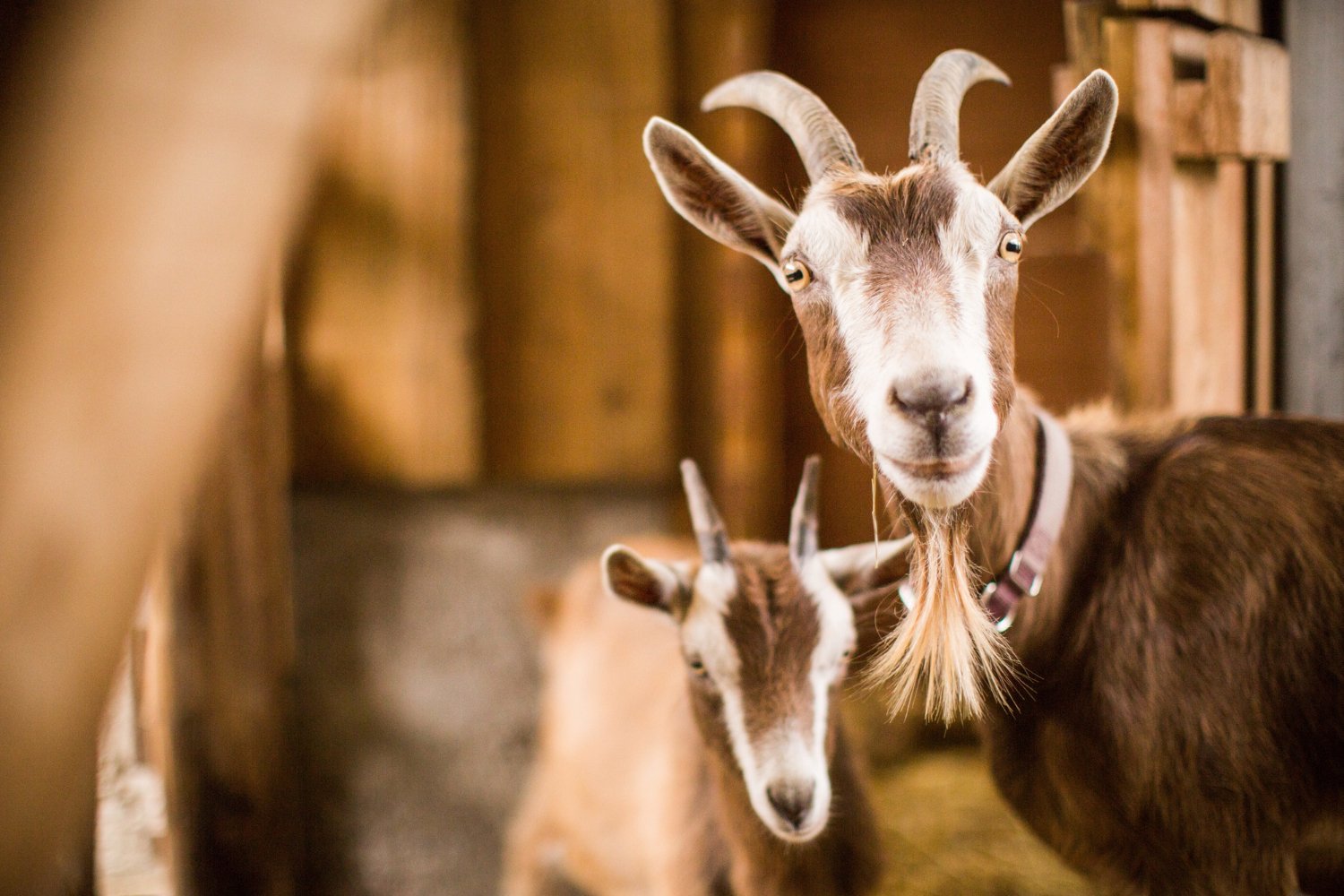
The domestic goat and the Alpine ibex are close relatives, but thousands of years alongside people have changed the goat greatly. Goats come in all kinds of colours, with differently shaped horns and ears, are used to people and can breed almost all year round. Ibex are a single greyish-brown colour with massive horns bearing transverse ridges, and their young are born strictly at the start of summer, when food is plentiful in the mountains.
What the Alpine ibex is
The Alpine ibex is a wild mountain goat with powerful curved horns that can reach a metre in males. It lives above the tree line, on rocks and Alpine meadows. In the 19th century the ibex almost disappeared because of hunting, but it was brought back: animals from an Italian reserve were taken to Switzerland, and today ibex again live in many parts of the Alps. For Switzerland it's a symbol of successful nature conservation.
Why Switzerland protects the ibex so carefully
The ibex is one of the symbols of Switzerland and of Alpine nature: it appears on the coat of arms of the canton of Graubünden, for example. Since the population recovered, ibex numbers in the country have been managed, and their health and genetics are closely monitored. So even a few hybrids are seen as a signal that needs a response before the problem becomes widespread.
How the genetic test works
To tell a hybrid from a purebred ibex, specialists examine its DNA. Tissue samples from animals that have been shot or found dead are suitable for analysis, and sometimes hair or droppings. The genetic test shows whether an animal has domestic goat genes. Such analyses help reveal the true scale of the problem, since many hybrids look no different from wild animals.
Why hybridisation is dangerous for wild species
Hybridisation with domestic animals is a known threat to many wild species: wolves with dogs, wildcats with domestic cats, wild boar with pigs. The gradual mixing of genes can lead a wild species to lose its special characteristics. For example, young born at a time of year that doesn't suit the mountains have a lower chance of survival. So conservation bodies try to prevent such encounters.
Diseases between domestic and wild hoofed animals
Encounters between domestic goats and sheep and wild hoofed animals aren't dangerous only because of hybrids. Infections can spread on shared pasture, such as infectious keratoconjunctivitis, an eye inflammation that can cause temporary blindness in chamois and ibex, and death from falling off rocks. Parasites and mange can also pass between them. So vets advise checking a herd's health before it goes out to summer pasture.
What goat keepers should do
- Gather all your goats before the first snow and house them over winter.
- Count your herd after summer grazing and find any stragglers.
- Castrate any billy goats you aren't using for breeding.
- Identify your animals with ear tags, as the record-keeping rules require.
- Tell the veterinary service or game wardens if you can't find or catch your goats.
Goats and wolves
In Ticino, as in other parts of the Alps, wolves are back. Goats left unattended in the mountains become easy prey for them. So bringing goats down before winter matters for the animals themselves too. In summer, night pens, electric fences and livestock guardian dogs help keepers protect their herds from predators.
A similar problem with wildcats
Conservationists working with the European wildcat face a similar problem: it crossbreeds with domestic cats, and in some regions purebred wildcats are becoming ever rarer. In Britain, hybridisation with domestic cats is one of the main threats to the Scottish wildcat. So owners of cats living near woodland with wildcats are advised to have their pets neutered. It's a simple way to help preserve the wild species.
Summer grazing in the mountains
In the Alps, goats and sheep are traditionally taken up to high pastures in summer, where they graze almost unsupervised. It's part of the local culture and a way of keeping meadows open. But this kind of grazing requires responsibility: in autumn all the animals must come back to the valley. Stragglers risk dying of cold, falling prey to predators or, as Ticino shows, causing problems for wild species.
If you meet a goat in the mountains in winter
Walkers and skiers who see unattended goats in the mountains in winter can help by telling the local veterinary service, game wardens or police. Don't try to catch the animal yourself, as that's dangerous on steep slopes. Take a photo and note the location. A domestic goat can usually be recognised by an ear tag, a collar or its colouring, but if in doubt it's best to leave the decision to specialists.
Why goats go feral so easily
Goats are very independent, hardy animals. The ancestors of domestic goats lived in the mountains, so they climb well, eat almost any vegetation and can survive without people. Feral goats have become a serious problem for nature in many countries, especially on islands, where they destroy vegetation. In the Alps they meet their wild relatives and can interbreed with them.
What the canton is doing
Ticino's veterinary office has chosen a gentle approach: rather than bans and fines, a leaflet explaining the problem and appealing to goat keepers. It's a sensible approach, since most farmers want their animals to spend the winter warm and safe. At the same time, specialists continue to monitor wild ibex and check suspect animals to understand how far hybrids have spread.
What this means for Europe
Alpine ibex live in Switzerland, Italy, France, Austria, Germany and Slovenia, and domestic goats graze in the mountains in all of these countries. The hybrid problem noticed in Ticino may also occur in other parts of the Alps. A simple rule, bringing goats down from high pastures before winter, helps preserve the wild species and also protects the goats themselves from cold and disease.
When to see a vet
If your goats develop eye discharge, a cloudy cornea, lameness, itching or weight loss after summer grazing, have your vet look at the herd: the animals may have become infected on pasture shared with wild hoofed animals. New animals or those returning from the mountains should be checked before they join the rest of the herd in the barn.
Sources
- SRF News, 1 November 2026