Contents
- What happened
- How it happened
- The driver could not stop
- The camel was unhurt
- Why there are camels in Bavaria
- Winter season for travelling shows
- An electric fence is not a wall
- Camels and electric fencing
- How to check a fence
- Who pays for the damage
- Insurance for animals
- If there is a large animal on the road
- If a collision happens
- How much a camel weighs
- Camels and cold weather
- Camel health in Europe
- Animals in travelling shows
- Shock after a collision
- Why animals wander onto roads
- How escaped animals are caught
- Herd behaviour
- Camels and children
- Liability and the police
- What this means for Europe
- When to see a vet
What happened
At the weekend a road accident happened in Upper Bavaria that even the police described as unusual. In the Rosenheim district a service bus collided with a camel. Police reported the incident on Sunday 8 November 2026. Austrian and other European media quickly picked up the story: buses colliding with camels in the foothills of the Alps are rare.
How it happened
The camel belonged to a travelling show business. It was kept with two other camels in a field right next to the road, fenced with an electric fence. According to police, the fence had probably not been closed properly. The camels got out and started crossing the road just as the bus was approaching.
The driver could not stop
The bus driver could not brake in time and hit one of the camels. The bus's windscreen shattered and a wing mirror was damaged. The damage was estimated at about 500 euros. The 61-year-old driver was not seriously hurt and, as reports put it, escaped with a fright. There were no reports of injured passengers.
The camel was unhurt
The most surprising thing about the story is that the camel was not injured. It is a large animal weighing several hundred kilograms, with thick skin and a dense coat that grows thicker for winter. But even if an animal looks fine after a collision, vets advise having it checked: internal injuries are not always visible straight away.
ORF, police; 8 November 2026
Why there are camels in Bavaria
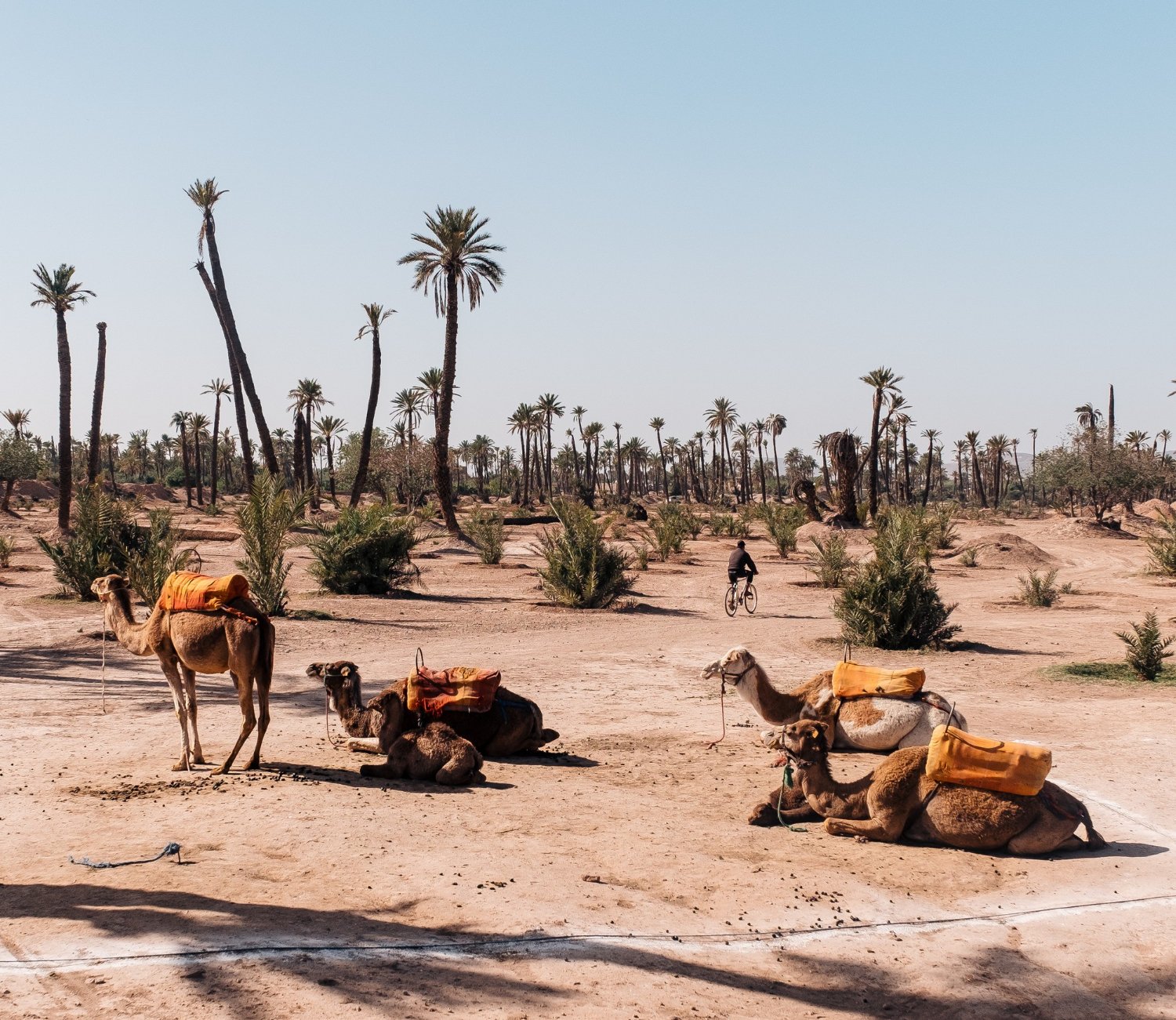
Camels are not that rare in Germany. They are kept by circuses and travelling shows, petting zoos, farms that offer rides to tourists and businesses that produce camel milk. They are hardy, cope well with cold and are a popular attraction at fairs and Christmas markets.
Winter season for travelling shows
November is when many travelling shows prepare for the Christmas markets. Animals are moved between towns and kept on temporary grazing. These fields are often rented at short notice and fenced quickly. Temporary paddocks are very often the weak point.
An electric fence is not a wall
An electric fence works not as a physical barrier but as a signal. The animal gets a mild shock, remembers the unpleasant feeling and stays away from the wire. But if the fence is switched off, the wire is sagging or the gate has been left open, a large animal can get through easily, especially if it is startled.
Camels and electric fencing
Specialists in keeping camelids say these animals quickly learn to avoid electric wires. But camels have a dense coat that conducts electricity poorly, so the wire must be at the right height and the voltage high enough. For large animals several strands of wire or tape are often used.
How to check a fence
A few simple rules help prevent escapes:
- Check the voltage every day with a fence tester.
- Clear grass and branches touching the wire, which lower the voltage.
- Make sure gates are closed and connected to the circuit.
- Do not put a temporary paddock right next to a busy road.
- Put a sign with the owner's phone number on the fence.
Who pays for the damage
In Germany the keeper of an animal is liable by law for damage it causes. Slightly different rules apply to people who keep animals for business, but in every case the key question is how well the animal was supervised and fenced. In this case the police explicitly pointed to the fence that had not been closed.
Insurance for animals
Many keepers of large animals in Germany take out liability insurance in case their animal injures people or damages property. It is common for horses and dogs but less so for exotic animals. The camel case is a good reason to check whether a policy covers an animal escaping onto the road.
If there is a large animal on the road
What drivers should do if they see a horse, cow or camel on the road:
- Slow down and switch on the hazard lights.
- Do not sound the horn loudly, as it may frighten the animal.
- Do not try to swerve round it at speed.
- Stop somewhere safe and call the police.
- Do not get out of the car next to a frightened large animal.
If a collision happens
If you do hit an animal, stop, switch on the hazard lights, put out a warning triangle where required and call the police. Do not approach an injured animal: in pain it may kick or bite. The police will find the owner or call a vet. Take photos of the scene and the damage to the vehicle for your insurer.
How much a camel weighs
An adult camel weighs 400 to 700 kilograms and stands taller than a person at the shoulder. Hitting such an animal at speed can be fatal for the occupants of a car. The bus was lucky: it is big and heavy, so the driver and passengers were not hurt.
Camels and cold weather
Although camels are associated with deserts, Bactrian camels, the two-humped kind, live in the harsh climate of Central Asia with frosts down to minus 40 °C. One-humped dromedaries cope less well with cold. In winter camels need a dry shelter from wind and snow, hay and access to water that does not freeze.
Camel health in Europe
Camels in Europe are looked after by vets who work with large or exotic animals. They are vaccinated and treated for parasites, and their foot pads and toenails need regular checks. Moving them between countries requires veterinary paperwork.
Animals in travelling shows
Using animals in travelling shows and circuses has long been controversial in Germany. Animal welfare groups say constant travel and temporary paddocks do not suit large animals. Show owners reply that their animals are well cared for and used to people. The Rosenheim case is unlikely to change the rules, but it adds to the argument.
Shock after a collision
An animal hit by a vehicle can go into shock even without visible wounds. Signs include fast breathing, trembling, pale gums and weakness. If the animal behaves oddly, lies down and will not get up, or is lame, it needs a vet. Its owner should keep an eye on it for several days afterwards.
Why animals wander onto roads
Large grazing animals often stray onto roads in search of food or when something startles them: a dog, noise, other animals. Lush grass grows along verges, and tarmac holds warmth for longer in autumn. That is why paddocks for livestock and horses are best set up with a buffer zone between them and the road.
How escaped animals are caught
Catching a frightened camel, horse or cow is not easy. Police usually close the road and wait for the owner, who knows the animal and how to approach it. A familiar feed bucket or another animal from the same group helps: herd animals readily follow their companions. Sudden movements and chasing only drive them further away.
Herd behaviour
Camels are herd animals, like horses and cattle. If one leaves the paddock, the others almost always follow. That is why all three camels in the Rosenheim district ended up on the road. The same rule helps when catching them: lead one calm animal away and the rest will follow.
Camels and children
At fairs and petting zoos children often get close to camels. These animals are usually calm, but they can spit, bite or kick if frightened or in pain. Adults should make sure children do not approach a camel from behind, do not feed it by hand without permission and do not climb over barriers.
Liability and the police
After accidents like this the police usually establish who was responsible for the fence and record the incident. The owner may face a penalty for breaching rules on keeping animals and must pay for the damage. If people are injured, the consequences can be more serious. In the Rosenheim case, fortunately, nobody was hurt.
What this means for Europe
Exotic animals in Europe increasingly live near roads, on farms, in petting zoos and in temporary paddocks used by travelling shows. The Bavarian case shows that a single unclosed gate can cause an accident. Keepers of large animals should take fencing as seriously as feeding and veterinary care.
When to see a vet
Call a vet to any large animal that has been hit by a vehicle, even if it looks unhurt. Urgent help is needed for lameness, bleeding, swelling, breathing difficulties, dullness or refusal to eat. Ask a vet's advice too if the animal behaves unusually after escaping: restless, not lying down or, on the contrary, not getting up.
Sources
- ORF, 8 November 2026
- Der Standard, 8 November 2026