Contents
- What happened
- How the bird was caught
- What cassowaries are
- Why the cassowary is considered dangerous
- Tragedy in Florida
- How cassowaries behave in the wild
- How long cassowaries live
- Cassowaries in Australia
- Why a cassowary is hard to catch
- Earlier inspections at this zoo
- Animals private keepers may not have
- Who keeps cassowaries in the Netherlands
- What an enclosure needs
- What specialists say
- What rules apply in the Netherlands
- Why private zoos are controversial
- Why escapes of exotic animals are dangerous
- What to do if you meet a cassowary
- What to do with your dog
- How to report escaped animals
- Who is liable for damage
- Why oversight matters
- How other countries handle it
- What this means for Europe
- When to see a vet
What happened
On Friday 30 October 2026 a southern cassowary escaped from a private zoo in the town of Elst in the province of Gelderland. A local resident cycling along the Valburgseweg past the zoo owner's estate spotted the bird in the morning and called the police.
According to a witness quoted by the newspaper De Gelderlander, there was at first one police car at the estate. When he cycled past again about an hour later, there were eight vehicles, including police vans. In the end a specialist vet was called in and sedated the cassowary.
ZooFlits and De Gelderlander; November 2026
How the bird was caught
Once the vet had sedated the cassowary, it could be caught safely and returned to its enclosure. The police and the Netherlands Food and Consumer Product Safety Authority (NVWA) stressed that their call-out was solely about the escaped cassowary. After the escape, NVWA inspectors checked the enclosures.
What cassowaries are
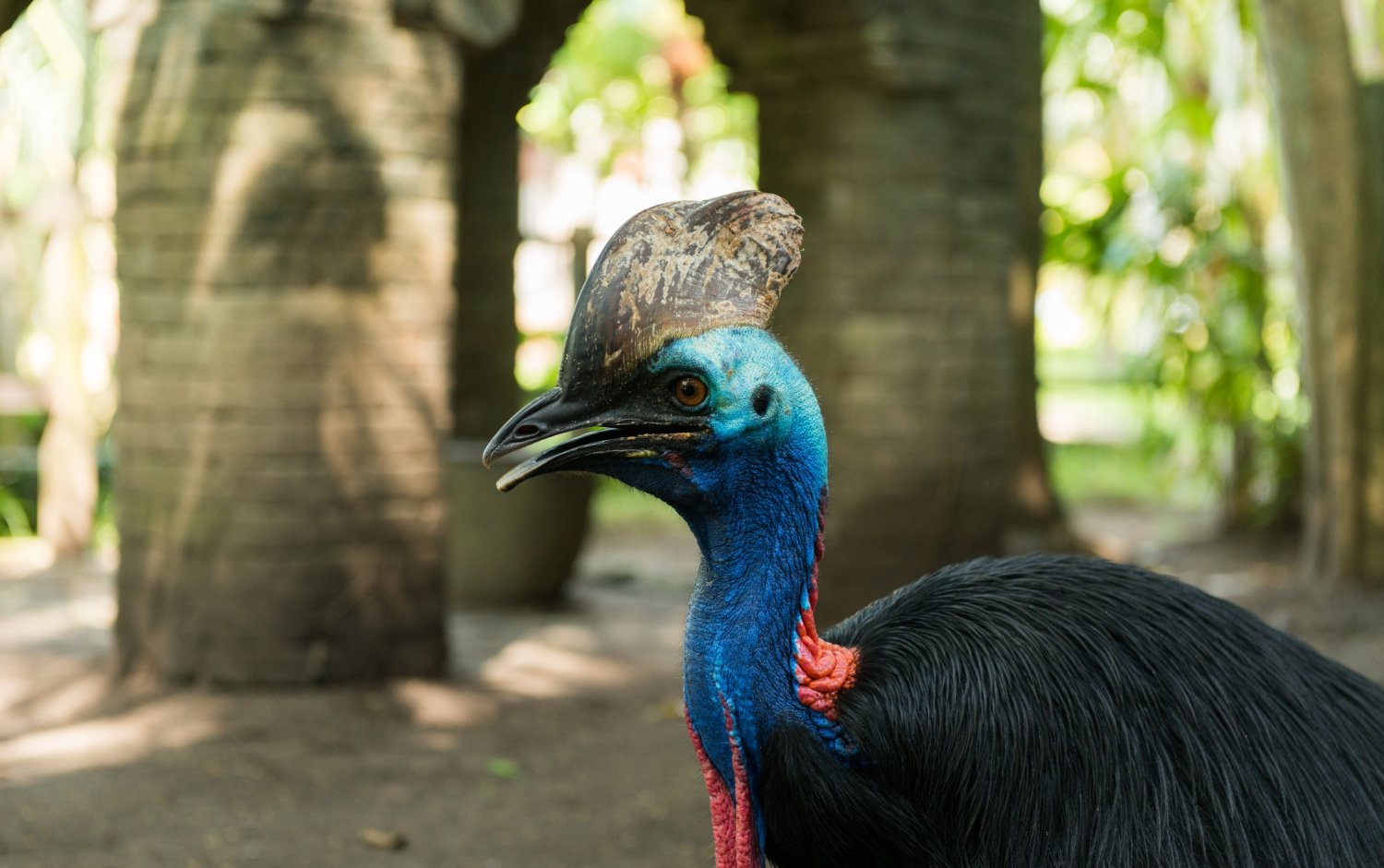
Cassowaries are large flightless birds related to ostriches and emus. A southern cassowary can stand almost two metres tall and weigh several dozen kilograms. It has a bony crest, or casque, on its head and a neck coloured bright blue and red. In the wild, cassowaries live in the rainforests of New Guinea, Indonesia and north-eastern Australia.
Why the cassowary is considered dangerous
Guinness World Records lists cassowaries among the world's most dangerous birds. They have very powerful legs and a long, sharp claw on the inner toe. If a cassowary feels threatened, it kicks forward and can inflict deep wounds. Several deaths from cassowary attacks have been documented.
Tragedy in Florida
One of the best-known cases happened in 2019 in Florida. An American bird keeper was killed by a cassowary he kept on his own farm. According to police, the man fell and the bird attacked him. The case showed how dangerous cassowaries can be, even for experienced keepers.
How cassowaries behave in the wild
In the wild, cassowaries usually avoid people and attack only when cornered, defending their chicks or when they have become used to being fed by humans. They eat mainly fruit and play an important role in dispersing the seeds of tropical plants. In Australia cassowaries are protected, and people are learning to live alongside them.
How long cassowaries live
Cassowaries are long-lived. In captivity they can live for several decades, so taking one on is a very long-term commitment. Adult cassowaries are solitary and do not tolerate other adults of their species well outside the short breeding season. That also makes them difficult to keep.
Cassowaries in Australia
In Australia cassowaries are protected, and their numbers are falling. Birds are killed on roads, attacked by dogs and lose habitat to forest clearing. Warning signs stand along roads, and feeding cassowaries is banned: birds that get used to food from people become bolder and attack more often.
Why a cassowary is hard to catch
Cassowaries can run at up to 50 kilometres an hour, jump well and swim. Catching such a bird without specialist equipment is dangerous for both people and the bird. That is why in such situations a vet is called who can safely sedate the animal with a tranquilliser dart.
Earlier inspections at this zoo
This is not the first time police have visited the private zoo in Elst. According to ZooFlits, a large police operation took place there in March 2024. Among other things, two white-backed vultures and three Chilean flamingos were seized because the owner could not prove they had been obtained legally. Court proceedings over that seizure are still under way.
Animals private keepers may not have
During the same operation, two black panther cubs and two caracals were found at the zoo. According to the NVWA, private individuals in the Netherlands are not allowed to keep such animals. The country's rules on keeping exotic animals are fairly strict and are constantly being refined.
Who keeps cassowaries in the Netherlands
Only a handful of private keepers in the Netherlands have cassowaries. They can also be seen in zoos such as Artis in Amsterdam, the Avifauna bird park and Brook Valley Zoo. Specialists stress that keeping cassowaries requires a great deal of experience, sturdy enclosures and strict safety measures.
What an enclosure needs
A cassowary enclosure must be large, with a strong fence at least two metres high, without gaps or sharp corners. The bird must be able to hide behind bushes and shelters. Separate compartments and airlocks are built for care and feeding so that keepers are never near the bird without protection.
What specialists say
According to zoo specialists, a cassowary cannot be kept like an ordinary pet bird. It needs a spacious enclosure with a high, solid fence, shelters and a pool. It must be handled so that a person is never in the same space as the bird without protection. Even experienced keepers take particular care.
What rules apply in the Netherlands
The Netherlands has a so-called positive list of mammals that may be kept at home. Birds and other animals are covered by their own rules. Protected species require proof that they were obtained legally. The NVWA checks keeping conditions and can seize animals if rules are broken.
Why private zoos are controversial
Animal welfare campaigners have long criticised private collections of exotic animals. They point out that private keepers often lack the necessary experience, and that conditions do not always meet the animals' needs. Escapes put both people and the animals at risk. Supporters of private collections argue that they help conserve rare species.
Why escapes of exotic animals are dangerous
An escaped exotic animal may attack people or pets, be hit by a car or die of cold or hunger. Some species, if they survive, can harm local wildlife. That is why keepers must house such animals securely and report any escape immediately.
What to do if you meet a cassowary
- Do not approach the bird or try to catch it.
- Move away slowly, without turning your back or running.
- Shield yourself with a rucksack or bicycle if the bird comes closer.
- Call the police immediately and tell them where you saw the animal.
- Move children and dogs away from the bird.
What to do with your dog
If you are out with your dog and see a large exotic animal, put your dog on a short lead and walk away. The dog may bark or chase the animal, which is dangerous for the dog too. A cassowary or another large animal can seriously injure a dog while defending itself.
How to report escaped animals
If you see an animal that has clearly escaped from captivity, such as an exotic bird, a snake, a monkey or a big cat, call the police. Do not try to feed or catch it yourself. In the UK, the police work with local councils, which license dangerous wild animals.
Who is liable for damage
An animal's keeper is liable for the damage it causes. If an escaped exotic bird injures a person or a dog or damages property, those affected can claim compensation. The authorities can also check whether the keeper followed the rules, impose a fine or require better enclosures.
Why oversight matters
The Elst case shows why regular inspections of private collections are important. NVWA inspectors check enclosures, proof of the animals' origin and keeping conditions. If rules are broken, they can demand improvements, impose fines or seize animals.
How other countries handle it
Many European countries are tightening the rules on keeping dangerous exotic animals. Belgium, the Netherlands and some other countries have positive lists of permitted animals. In Germany the rules vary from state to state. In Great Britain, cassowaries are covered by the Dangerous Wild Animals Act 1976, and keeping one requires a licence from the local council. Experience shows that strict rules reduce escapes and cases of cruelty.
What this means for Europe
The cassowary escape in Elst is a reminder that dangerous exotic animals in private hands pose a risk to people and to the animals themselves. Residents of the Netherlands, Germany, Belgium, the UK and elsewhere should know that if they meet an escaped animal they must not approach it, should move children and dogs away and should call the police at once.
When to see a vet
If your dog or another pet has come into contact with an exotic animal and been injured, take it to a vet straight away. Wounds from the claws and beaks of large birds can be deep and easily become infected. If you have been injured by an animal yourself, see a doctor and explain what happened.
Sources
- ZooFlits (citing De Gelderlander), 5 November 2026