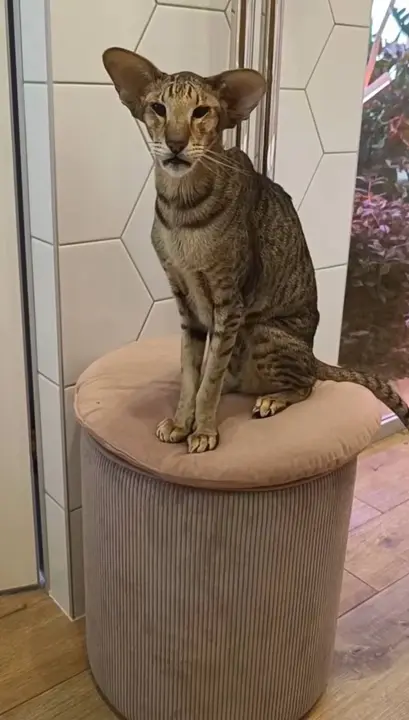
However, aural haematomas are less common in cats than in dogs. Ear swelling can have other causes too, so appearance alone is insufficient for a diagnosis at home.
When to see a vet urgently
Contact a vet promptly and seek emergency assessment particularly if:
- the ear is very painful or your cat scratches it until it bleeds
- swelling accompanies an open bite wound or another obvious injury
- ear symptoms are accompanied by staggering or loss of balance
- the ear is bleeding and it does not settle
A painful, swollen ear flap needs examination even if your cat otherwise seems bright. You can find a vet near you.
Overview
An ear flap haematoma is a localised collection of blood caused by rupture of small vessels in the ear flap. It usually looks like a soft, tender swelling that can become firmer over time. In cats, it is often associated with otitis, a parasitic infestation such as ear mites, or an injury.
Cartilage gives the ear flap its shape, with skin on both sides. The blood collection separates tissue layers. Initially it may feel like a fluid-filled cushion, but clotting and later scarring change how it feels. Swelling may be limited to a small area or fill almost the whole ear flap.
An aural haematoma is in the ear flap, whereas ear canal inflammation affects a different structure. They often coexist. Draining the visible lump alone therefore does not establish why a cat shakes its head, and treating otitis alone does not always remove an existing large blood collection.
Causes
The main causes of ear haematomas in cats include:
- Otitis, accompanied by itching and head shaking.
- Parasitic infestations, such as the ear mite Otodectes cynotis.
- Allergic reactions causing itching and scratching.
- Mechanical injuries, such as bites and blows.
- Systemic diseases affecting blood clotting, less commonly.
A foreign object in the ear canal can also trigger shaking. Sometimes the original irritant has gone by the time of examination but the haematoma remains. An injury, on the other hand, does not always involve chronic ear disease. The cause is investigated by examining both the swelling and ear canal.
A clotting disorder may be suspected particularly when there is no clear injury or a cat has other abnormal bleeding. Not every cat needs the same extensive set of investigations, however. Symptom history and examination findings guide blood testing needs.
Risk factors
- Cats with chronic otitis.
- Outdoor cats interacting with other animals.
- Cats with allergies or sensitive skin.
- Kittens and young cats, in which ear mites are more common.
Research on the importance of every listed factor as an independent risk for feline aural haematoma is limited. A young cat's risk of ear mites does not mean every itchy or swollen ear is a haematoma.
Ear mites spread between animals through close contact. Living indoors alone does not establish whether another household animal could be infested. If mites are found, tell your vet about other close animal contacts too so the whole infestation situation can be assessed.
Typical symptoms
You may notice the following signs:
- a soft, gradually enlarging ear flap swelling
- tenderness when the ear is touched
- head shaking and constant ear scratching
- asymmetrical ears
- possible discharge and an unpleasant smell from the ear canal if otitis is present
Swelling can appear quickly rather than always increasing slowly day by day. The ear may feel warm and droop differently from its normal position. Your cat may avoid touch or hold its head tilted because of pain. Do not repeatedly squeeze the ear to test its contents.
Dark, crumbly discharge and intense itching are consistent with suspected ear mites, but other ear canal diseases also produce discharge. Smell alone does not reveal whether bacteria, yeast or parasites are involved. Clear balance problems are not automatically explained solely by the ear flap blood collection.
Complications and consequences
An untreated ear haematoma can lead to:
- chronic ear inflammation
- a deformed ear flap, or “cauliflower ear”
- recurrence if the cause, such as otitis or parasites, persists
Ear canal inflammation often precedes the swelling and underlies the haematoma. The haematoma is therefore not always the original cause of chronic otitis. However, a large or scarred ear flap can interfere with the openness of the ear canal and later care.
In a cauliflower ear, scar tissue thickens and contracts the ear flap. The change can remain permanent even if the fluid is eventually absorbed. Treatment aims include reducing pain and recurrence and preserving ear function and shape as well as possible.
Although the haematoma itself is rarely life-threatening, it indicates an underlying health problem.
Diagnosis at the vet
Your vet examines and feels the ear flap. Additional investigations may include:
- otoscopy to examine the canal for otitis or mites
- cytology or a scraping to look for parasites
- blood tests if a clotting disorder is suspected
Examining the ear flap and canal
Your vet asks when swelling was noticed and whether shaking began earlier. Previous ear medicines, itching elsewhere on the skin and possible fights are useful information too. A whole-skin examination can reveal that the ear signs are part of a broader skin disease.
An otoscope assesses canal narrowing, discharge, foreign objects and, where possible, eardrum condition. Examination of a painful ear may require sedation. Severe pain is not overcome by forcibly restraining the cat; examination and pain relief are planned to suit the patient.
Cytology, or microscopic cell examination, can reveal inflammatory cells, bacteria and yeast. Discharge is examined separately under the microscope for ear mites. Samples are ideally taken before cleaning so material needed for investigation is not removed. Persistent one-sided inflammation may also require investigation of a lesion narrowing the canal.
Where necessary, your vet takes a needle sample of the swelling to assess its contents. This is an investigation, not something to perform at home. Not every ear flap lump is a blood-filled cavity, so the finding must be identified before treatment is selected.
Treatment options
Treatment addresses both the haematoma and the cause of itching or injury. The choice depends on factors such as size, pain, recurrence and tissue changes. A small, painless collection may sometimes be monitored at your vet's discretion. Do not wait for a large, painful ear to heal by itself.
Needle drainage can remove fluid, but the space may refill. Repeated clinic visits or surgery are therefore sometimes needed. Anti-inflammatory medication is used in selected cases. Suitability is assessed separately; do not give injections into the ear yourself at home.
Surgery removes blood and uses stitches to reduce the empty space between tissue layers. A soft tube called a drain, or an opening left for drainage, can help prevent fluid accumulation. The ear flap may be supported with a dressing so shaking does not cause further damage. The method is chosen individually.
Pain is treated with medication prescribed by your vet. Ear mites need suitable antiparasitic treatment, while ear canal inflammation is treated according to findings. Bacteria, yeast and parasites are different treatment targets. Eardrum condition affects which cleansers or topical medicines can be used.
Aftercare and prognosis
Follow the instructions for ear protection and any collar. Care of a wound, ear canal and drain may differ, so ask the clinic to demonstrate the approach for your particular cat. Your vet removes any drain, dressing or stitches according to the agreed plan.
Watch for returning swelling, pain and altered discharge. A new blood collection after treatment does not automatically mean home care was incorrect: recurrence is possible despite appropriate treatment. Contact the clinic to arrange reassessment if this happens.
Most cats recover well after treatment, but the ear's appearance does not always return to normal. Possible complications include recurrence, wound infection and, less commonly, tissue death in the ear flap. Controlling persistent itching and ear canal disease improves the long-term outcome.
Prevention
- Maintain appropriate ear hygiene.
- Prevent and promptly treat ear mites and otitis.
- Manage allergic reactions and itching.
- Prevent fights and injuries.
Hygiene does not mean repeatedly washing every healthy cat's ears. Many cats need no routine cleaning, and cleaning too often can irritate the canal. The need and product are selected according to the ear's condition; a painful, red or swollen ear is examined first.
Do not insert cotton buds into the canal, as they can damage tissues or push discharge deeper. Alcohol and hydrogen peroxide can irritate an inflamed ear in particular. If cleaning has been prescribed, use the product and instructions provided, and stop if pain develops.
Important for cat owners
An ear haematoma often results from a more significant problem, such as infection, parasites or allergy. Treating the haematoma and investigating its cause are therefore both important. Remember that home treatment, such as puncturing the swelling yourself, is dangerous and can cause complications.
This article provides general information and does not replace veterinary care. Contact a vet if you notice signs of illness in your cat.
Frequently asked questions
Can an aural haematoma disappear on its own?
Blood may gradually be absorbed, but healing can be slow and leave the ear flap thick and crumpled. The cause of itching or shaking may also need treatment. Agree monitoring without drainage with your vet.
Can I puncture an ear haematoma at home?
No. Puncturing it at home can cause pain, infection and further tissue damage, and neither resolves its cause nor prevents refilling. The swelling also needs a correct diagnosis before any procedure.
Why did the ear refill after drainage?
The space between tissue layers can refill, particularly if shaking and scratching continue. Recurrence may lead to a different treatment approach, including assessment for surgery. Contact the treating vet.
This article is for general information only and is not a guide to treatment. If you notice the first signs of illness, contact your vet.
Paw4care editorial team
Sources
- Aural Haematoma in Cats, VCA, accessed 2026-11-03.
- Aural Haematoma, American College of Veterinary Surgeons, accessed 2026-11-03.
- Disorders of the Outer Ear in Cats, Merck Veterinary Manual, accessed 2026-11-03.
- Ear Mites: Tiny Critters that can Pose a Major Threat, Cornell University, accessed 2026-11-03.
- Instructions for Ear Cleaning in Cats, VCA, accessed 2026-11-03.
- Otitis Externa in Animals, Merck Veterinary Manual, accessed 2026-11-03.
- Aural Haematoma (swollen ear flap) in cats, PDSA, accessed 2026-11-03.