
Dog diseases · Respiratory system
Pneumonia in dogs
Pneumonia is inflammation of lung tissue where oxygen enters the blood. Coughing with fever, tiredness or rapid breathing raises suspicion. Difficulty breathing needs immediate emergency care.
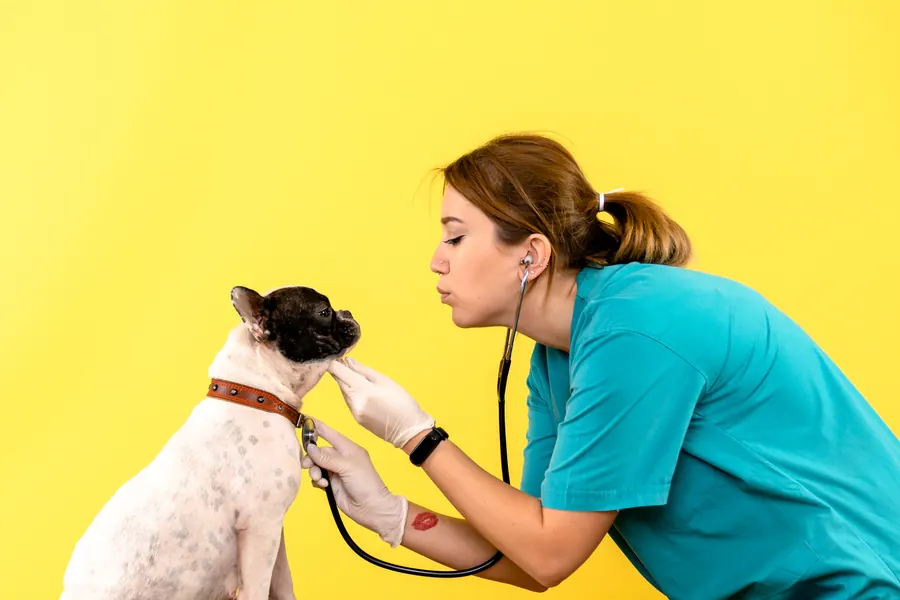
When to see a vet urgently
Contact a vet the same day if a coughing dog has fever, marked dullness or loss of appetite. Seek emergency care immediately for these signs.
- Struggling to breathe at rest with strong abdominal effort.
- Stretching the neck to get air.
- Bluish gums or tongue.
- Collapse or inability to stand.
- Temperature above 40 °C.
- Reduced consciousness.
Overview
What happens in the lungs?
Lung tissue includes small airways, alveoli and surrounding interstitial tissue. Inflammation can fill alveoli with fluid and inflammatory cells. This impairs oxygen transfer into blood. Normal defences help prevent pneumonia even after bacterial exposure. Disease can be severe and sudden or develop slowly with prolonged mild signs. Inflammation of bronchi and surrounding tissue is called bronchopneumonia. Initial signs can reflect an underlying disease. Bacterial lung infections are diagnosed in dogs each year.
Causes
Bacteria and viruses
Bacterial pneumonia often follows damage to airway defences from another disease. Canine parainfluenza can damage small airways and predispose to bacterial infection.
Severe distemper can also cause pneumonia. Lower airway bacteria can include streptococci, Escherichia coli and Pasteurella. Bordetella bronchiseptica can cause primary bacterial pneumonia. A US study found it in 49% of 65 pneumonia patients under one year old.
A study from northern Europe of 20 bacterial pneumonia patients found parainfluenza in airway samples from seven dogs. Respiratory coronavirus occurred in one. Viral detection was not associated with greater severity in this study.
Aspiration and other causes
Aspiration introduces vomit, food or liquid into airways. Acidic stomach contents can cause chemical lung inflammation. Aspirated bacteria can infect damaged tissue. An inhaled grass awn can cause inflammation centred on one lobe. Lung parasites can also cause inflammation.
Fungal pneumonia usually progresses slowly. It can start after inhaling soil-borne spores.
Risk factors
Megaoesophagus predisposes to aspiration because food can regurgitate into the mouth. Laryngeal dysfunction can reduce protection against food or liquid. Aspiration is also possible during anaesthetic recovery. Seizure-related altered consciousness can increase risk.
Immunosuppressive disease or treatment increases bacterial pneumonia risk. Ciliary dysfunction impairs mucus clearance and can predispose. Swallowing difficulties can increase aspiration risk in brachycephalic dogs.
Irish Wolfhounds can develop recurrent pneumonia. Bronchiectasis, local bronchial dilation, occurred in 10 of 11 investigated for recurrent bacterial pneumonia. Median age at first episode was 5.0 years. They had a median five previous episodes at study entry.
Typical symptoms
Pneumonia can start quickly. In bacterial pneumonia patients from northern Europe, median symptom duration at emergency presentation was one day.
- Dry or productive coughing.
- Rapid breathing even at rest.
- Increased tiredness.
- Reduced appetite.
- Fever.
- Nasal discharge.
Owners reported faster breathing in all 47 episodes among Irish Wolfhounds with recurrent bacterial pneumonia. Coughing occurred in 37. Reluctance to lie down occurred in 10. Fever has been identified in 16–50% of bacterial pneumonia patients.
Chronic fungal pneumonia can cause progressive weight loss. Thick nasal mucus can occur.
Complications and consequences
Severe disease and recurrence
The pleura surrounding the lungs can also become inflamed. Extensive disease can lower oxygen enough to require supplementation. Severe bacterial pneumonia can involve sepsis, a serious systemic response to infection. Inadequate oxygenation despite supplementation and respiratory muscle fatigue can require ventilation.
Recurrent pneumonia can permanently damage bronchi. Bronchiectasis can predispose to recurrence. Retained foreign bodies can cause signs to return after temporary improvement. Recurrent Irish Wolfhound episodes averaged three months apart.
Diagnosis at the vet
Breathing, blood tests and imaging
History includes severe vomiting or recent anaesthesia, for example. Crackles can occur over consolidated tissue. Mild disease may produce no abnormalities on basic examination. Pulse oximetry assesses blood oxygen saturation. Arterial samples measure oxygen partial pressure.
White cell counts can rise. Consolidated air-containing tissue appears whiter on X-rays. Aspiration changes often involve the front and lower lung regions. Early pneumonia may show only interstitial changes. Ultrasound can identify surface consolidation. CT can locate focal tissue changes. It also shows bronchiectasis sought in recurrent Irish Wolfhound disease, for example. Imaging can investigate similar-looking lesions such as abscesses or tumours.
Inflammatory markers and airway samples
Blood C-reactive protein, or CRP, can rise in bacterial pneumonia. A study from northern Europe found a median of 121 mg/l in 22 affected dogs. Cardiac pulmonary oedema had a median of 19 mg/l. The pneumonia interquartile range was 68–178 mg/l. CRP magnitude did not indicate severity in a follow-up study from northern Europe.
Lavage checks for intracellular bacteria. Culture identifies the pathogen. Susceptibility can be tested from the same sample. Stable dogs are ideally sampled before antimicrobials. Sampling may be unsafe in oxygen-dependent dogs. Mycoplasma may need specific culture. Oropharyngeal swabs alone do not replace lower airway samples.
Treatment
Supporting breathing and treating the cause
Supplemental oxygen is given for inadequate blood oxygen. It can be delivered in an oxygen cage or through a nasal tube. Severe illness may need hospital monitoring and care. A northern European emergency study hospitalised 14 of 20 dogs. Median stay was 1.8 days. Fluid needs are assessed according to condition.
Bacterial pneumonia requires a vet-selected antimicrobial. Severe illness is treated without waiting for sample results. Culture and susceptibility may prompt a change. Purely chemical aspiration inflammation may not need antimicrobials.
Fungal pneumonia needs antifungal treatment. Cough suppression can prevent mucus clearance in bacterial disease. Nebulisation can help loosen secretions. Retained bronchial foreign bodies can sometimes be removed endoscopically.
Clinical improvement comes first
A follow-up study from northern Europe found CRP fell rapidly with treatment in many bacterial pneumonia patients. It still rose during the first 24 hours in five of 11 dogs with repeat measurements. Alveolar X-ray changes resolved in a median 10 days. At day 10, changes had resolved in nine of 13 dogs initially affected.
Among 30 uncomplicated cases re-examined around day 12, symptoms had resolved in 28. X-rays had resolved in around 46% by then. Around day 28, images were normal in 25 of 30. A smaller study found changes at day 60 in three of eight dogs despite resolved symptoms and inflammatory blood count changes.
Extent and severity influence prognosis. Immune competence also affects recovery. A northern European follow-up of 19 bacterial pneumonia patients found 17 survived to discharge. Reassessment is usually by 10–14 days at the latest. Reviews consider symptoms alongside blood counts and chest imaging when needed.
Prevention
Vaccination prevents distemper. Viral and bacterial kennel cough infections nevertheless continue to occur. Some kennel clubs recommend kennel cough vaccination for event participants. Some require at least two symptom-free weeks before event attendance after kennel cough. Their restrictions also cover other dogs in the same household.
Managing predisposing diseases such as megaoesophagus can reduce recurrence. Force-feeding can cause food aspiration. With impaired oesophageal movement, vet-directed upright feeding may aid passage to the stomach.
Important for dog owners
Report onset and possible contact with respiratory illness. Mention recent vomiting or anaesthesia. For breathing difficulty, call while setting off if this does not delay departure. Keep the car cool because heat-related panting can increase respiratory effort.
Follow scheduled reviews for recovery and underlying disease. Contact the vet again for renewed fever or faster resting breathing. Failure to improve within 48–72 hours of treatment prompts reassessment.
Frequently asked questions
Can dogs have pneumonia without coughing?
Yes, coughing is not observed in every episode. Owners reported it in 37 of 47 recurrent Irish Wolfhound episodes. Faster breathing occurred every time in that group. Laboured resting breathing needs emergency care even without coughing.
How does kennel cough differ?
Mild kennel cough is infectious airway inflammation often resolving within seven to 14 days. Pneumonia can be a secondary complication. Fever, appetite loss or faster breathing alongside coughing warrant investigation for lung tissue involvement.
Is pneumonia contagious?
Risk depends on the cause. Aspiration introduces material such as vomit into the dog's own airways. Avoid canine contact during infectious respiratory illness to prevent spread. Distemper, for example, can spread in respiratory secretions.
Can X-rays remain abnormal after recovery?
Changes can persist longer than symptoms. One study found changes at day 60 in three of eight symptom-free dogs. Recovery assessment also uses clinical condition and blood results.
Can I give human cough medicine?
Give human medicines only under veterinary instructions. Suppression can retain mucus and secretions during bacterial pneumonia. Some syrups contain xylitol dangerous to dogs. Medicines prescribed for another pet may also be unsuitable.
Sources
- Pneumonia in Dogs and Cats, Merck Veterinary Manual, accessed 2026-11-07.
- Antimicrobial use guidelines for respiratory disease in dogs and cats, Journal of Veterinary Internal Medicine / ISCAID, accessed 2026-11-07.
- Mitä on päivystyshoito, Helsingin yliopisto, accessed 2026-11-07.
- Recognizing and responding to canine respiratory distress, Cornell University, accessed 2026-11-07.
- Serum C-Reactive Protein in Dogs with Bacterial Respiratory Diseases, Journal of Veterinary Internal Medicine, accessed 2026-11-07.
- Koiran rokotukset, Suomen Kennelliitto, accessed 2026-11-07.
- Lemmikkien keuhkokuume – oireet, hoito ja ennaltaehkäisy koirilla ja kissoilla, Vetsy, accessed 2026-11-07.
- Co-infections with Respiratory Viruses in Dogs with Bacterial Pneumonia, Journal of Veterinary Internal Medicine, accessed 2026-11-07.
- The Utility of Acute-Phase Proteins in the Assessment of Treatment Response in Dogs With Bacterial Pneumonia, Journal of Veterinary Internal Medicine, accessed 2026-11-07.
- Recurrent bacterial pneumonia in Irish Wolfhounds: Clinical findings and etiological studies, Journal of Veterinary Internal Medicine, accessed 2026-11-07.
- Resolution of uncomplicated pneumonia in dogs treated with shorter or longer courses of antimicrobials, 2025 Conference of Research Workers in Animal Diseases, accessed 2026-11-07.
- Comparison of Short versus Long Antimicrobial Therapy of Uncomplicated Bacterial Pneumonia in Dogs, Animals, accessed 2026-11-07.
- Recognition and Diagnosis of Underlying Disease Processes in Bacterial Pneumonia, Animals, accessed 2026-11-07.
- Koirien sairaudet, Ruokavirasto, accessed 2026-11-07.
- Penikkatauti, Ruokavirasto, accessed 2026-11-07.
- Trakeobronkiitti, infektiivinen, koira (kennelyskä), Ruokavirasto, accessed 2026-11-07.
- Bacterial Pneumonia in Dogs and Cats, Veterinary Clinics of North America: Small Animal Practice, accessed 2026-11-07.
- Pneumonia in Dogs, Merck Veterinary Manual, accessed 2026-11-07.
- Irlanninsusikoirien sairaudet, Suomen Irlanninsusikoirat, accessed 2026-11-07.
- Lung Insight – Hengitystiesairaudet, Helsingin yliopisto, accessed 2026-11-07.
- Comparison of lung ultrasound, chest radiographs, C-reactive protein, and clinical findings in dogs treated for aspiration pneumonia, Journal of Veterinary Internal Medicine, accessed 2026-11-07.
- Potentially Dangerous Items for Your Pet, U.S. Food and Drug Administration, accessed 2026-11-07.
This information does not replace a visit to a vet. In an emergency, contact your nearest emergency vet: find a vet (RCVS).