
Dog diseases · Urinary system
Urinary tract infections in dogs
Urinary tract infection often means bacterial bladder inflammation, or cystitis. An inflamed bladder can cause frequent passage of small amounts. Straining without urine can indicate urethral obstruction needing immediate treatment.
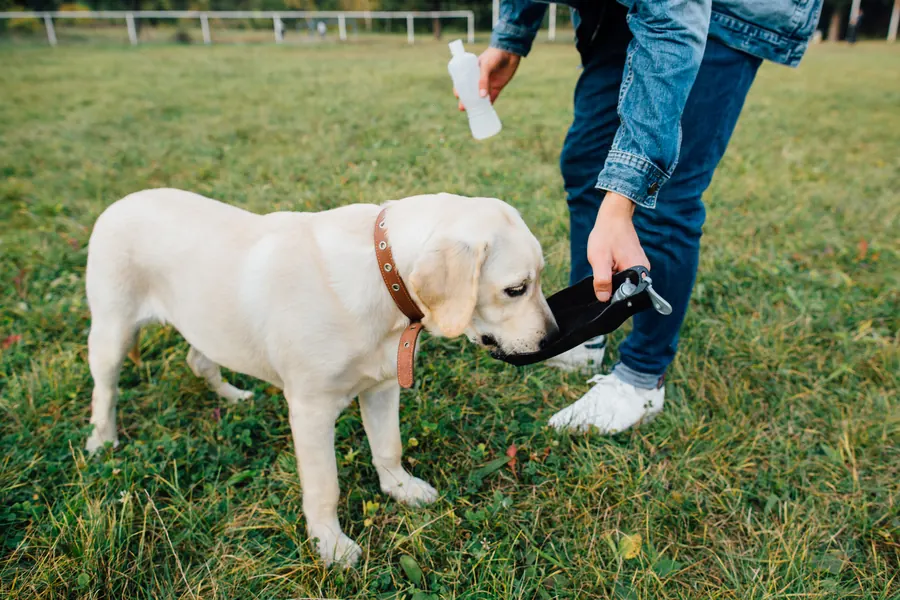
When to see a vet urgently
Contact a vet the same day for painful urination or visible blood. Call an emergency clinic immediately for these signs.
- Repeated straining without urine.
- Crying in pain when trying to urinate.
- Vomiting and unusual dullness alongside difficulty urinating.
- Urinary signs with fever and back or flank pain.
Overview
Bladder infection, kidney infection and asymptomatic bacteria
Infection can affect the bladder or other urinary sites. Bacterial inflammation of the renal pelvis and kidney tissue is called pyelonephritis. Subclinical bacteriuria means bacteria grow from a properly collected sample without urinary infection symptoms. It can resolve spontaneously.
Recurrent cystitis means at least two bacterial episodes within six months. At least three within 12 months also meets the definition. New symptoms can reflect relapse or a new infection.
A US hospital found bacteria-compatible microscopy findings in 9.81% of examined dogs without lower urinary signs. Increased urinary white cells occurred in 2.88% of that asymptomatic group. An Australian study identified subclinical bacteriuria in 6.4% of submitted canine cultures.
Causes
How bacteria enter the bladder
Bacteria most commonly enter from the perineal area. They can ascend the urethra to the bladder. Escherichia coli is the most common cause. Most bacterial cystitis involves one species. Others include staphylococci and Proteus.
The bladder's surface lining protects against bacteria. Normal urination flushes them out. Concentrated urine inhibits growth. Small urinary compounds can also prevent attachment to the lining.
Immunity helps eliminate bacteria. Cystitis develops when these defences are overcome. Slow growers such as Corynebacterium need longer culture. Rarely, Mycoplasma causes cystitis despite negative routine culture.
Risk factors
Females are affected more often than males. Their urethra is shorter. Residual urine predisposes to infection. Congenital ectopic ureters can predispose. A fold covering the vulva can encourage recurrent infection. Stones can sustain it.
Diabetes can predispose to urinary problems. Cushing's disease is associated with increased infection risk. Immunosuppressive medication can increase risk.
Dilute urine can weaken natural protection. Intervertebral disc disease is a predisposing condition. Bacteria often accumulate on indwelling catheter surfaces within a couple of days.
Incontinence can predispose to recurrence. Urinary glucose can increase risk. Bladder tumours can increase bacterial infection risk.
Typical symptoms
Cystitis can increase urination frequency. Signs can resemble stone-related irritation.
- Asking to go out more often.
- Passing less urine each time.
- Straining to urinate.
- Accidents despite house-training.
- Visible blood.
- Increased genital licking.
Urine can smell unusual. Leakage can occur. Fever and vomiting can indicate kidney infection. Chronic kidney infection can increase drinking and urination.
Prostatitis can cause painful urination, particularly in older entire males. Kidney infection can reduce appetite. Rare bladder parasite infection can also cause frequent urination.
Complications and consequences
Ascending kidney infection and stones
Bladder bacteria can ascend through ureters to kidneys. Persistent kidney inflammation can impair function. Some bacteria produce urease, making urine more alkaline. Struvite crystals can then form and develop into stones. Stones can lodge in the urethra and block outflow.
Complete obstruction accumulates blood waste products within 36–48 hours. Severe kidney infection can be life-threatening.
Among bitches treated for cystitis, 89–94% were asymptomatic by treatment day three. The comparison included 38 bitches. More than 30 days after the course ended, 50% in the shorter-treatment group were asymptomatic. The longer-treatment group had 65%. The difference was not statistically significant.
Bacteria can persist in deeper bladder wall layers and sustain symptoms. Complete obstruction can dangerously raise potassium.
Excess potassium can cause arrhythmias with obstruction. Prolonged obstruction can cause dehydration.
Diagnosis at the vet
Urinalysis and culture
The vet establishes symptom type and recurrence frequency. Urinary sediment is examined microscopically. Visible bacteria increase positive culture likelihood. Cell debris can resemble bacteria. The dipstick white cell field is unreliable in dogs.
The preferred culture sample is collected by cystocentesis, directly from the bladder with a sterile needle. Culture identifies growing bacteria. Susceptibility testing shows which antibiotics act against them in the laboratory. At least 1,000 colony-forming units per millilitre in cystocentesis samples usually indicates a significant count. At least three species in free-catch midstream urine likely indicates collection contamination. Culture can then be repeated with a direct bladder sample.
Recurrent or unexplained signs
Early recurrence after antibiotics with the same bacterium may mean relapse. A different bacterium suggests reinfection. Bladder polyps can sustain infection. Entire males with bacterial cystitis are assessed for prostatitis.
Abdominal ultrasound assesses bladder structure. Cystoscopy examines the lining. Suspicious tumour lesions can be biopsied during it. Blood tests assess kidney function with suspected pyelonephritis.
Urine is also checked for red cells. Samples not cultured immediately are chilled and usually processed within 24 hours. Ultrasound can guide cystocentesis. It can also identify stones or other changes. Samples from longstanding catheters can contain attached bacteria.
Ultrasound assesses prostate size and structure with suspected prostatitis. Cultures were positive in 3.4% of samples with unremarkable sediment.
Treatment
Antibiotic selection and duration
The vet usually treats symptomatic bacterial infection with antibiotics. Treatment may start before culture results return when needed. If susceptibility results show the initial antibiotic is unsuitable, the vet may change it. Pain medication can relieve bladder inflammation discomfort.
International guidance supports short antibiotic courses for sporadic bacterial cystitis. A repeat sample is usually unnecessary after sporadic cystitis if signs resolve. Kidney infection usually needs a different antibiotic choice from bladder infection alone. Fluoroquinolones may be reserved for cases where susceptibility testing demonstrates a need.
Bacteria without symptoms
Subclinical bacteriuria usually needs no antibiotics. Urinary white cells without symptoms are not usually grounds for treatment. In dogs with previous struvite stones, urease-producing bacteria can justify considering treatment even without symptoms.
Recurrent infection
Culture helps investigate persistent signs despite treatment. Suspected infection persisting within the bladder wall may prompt a longer course. Infection with a new bacterium can often be treated as briefly as an isolated episode. Severe kidney infection may need hospital fluids.
Antibiotic susceptibility in one surveillance report
One surveillance report from northern Europe found around 27% ampicillin resistance in E. coli isolated from canine clinical samples in 2024. Resistance to amoxicillin with clavulanic acid was around 5%. Resistance to third-generation cephalosporins was 4.2%.
Prevention
Preventing recurrence starts with identifying predisposing causes. Removing an infection-sustaining stone may be necessary to interrupt recurrence. Correcting a fold covering the vulva can reduce recurrent bacterial infections. Reliable evidence for cranberry extract prevention in dogs is limited.
Evidence for other supplements, such as D-mannose or probiotics, is similarly limited. Treating the cause of incomplete emptying can reduce further infections.
Control of underlying disease such as diabetes can contribute to prevention.
Important for dog owners
Watching urination and preparing for sampling
Record how often your dog tries to urinate because increased frequency can indicate cystitis. Separately note whether urine passes each time: fruitless straining can indicate obstruction. If a home sample is requested, collect midstream urine in an unused, clean container. The vet prefers cystocentesis for culture. Report previous episodes because frequency helps identify recurrence. Contact the vet again if problems persist or return after antibiotics.
After improvement, watch for renewed pain or frequent attempts after the course. Record increased thirst too because it can accompany kidney infection.
When submitting samples, mention current antibiotics. State whether urine was collected at home or directly from the bladder.
Frequently asked questions
Is it infection or urinary obstruction?
Cystitis can cause frequent, painful urination. Obstruction can cause repeated fruitless attempts. Seek emergency care immediately if no urine passes. A full bladder may feel firm and tender during examination.
Can a home sample be cultured?
The vet prefers a direct bladder sample because fewer external bacteria enter it. Home samples can contain bacteria from the collection area. If requested, collect midstream urine in a clean container. Mixed growth can require repeat culture from cystocentesis.
Do bacteria always need antibiotics?
Asymptomatic findings usually do not. Culture results are interpreted alongside symptoms. With previous struvite stones, urease-producing bacteria can influence decisions even without symptoms. White cells alone usually do not justify antibiotics in an asymptomatic dog.
Why does infection return?
Bladder stones can sustain it. A new episode can involve a different bacterium. Incomplete emptying can predispose to recurrence. Comparing cultures helps distinguish relapse from reinfection.
Can infection spread to kidneys?
Bacteria can ascend from the lower urinary tract. Kidney infection can cause fever and back or flank pain. Deterioration can require hospital care. Persistent infection can impair kidney function.
Sources
- Koiran akuutti komplisoitumaton virtsatietulehdus, Ruokavirasto, accessed 2026-11-07.
- Bacterial Cystitis in Small Animals, Merck Veterinary Manual, accessed 2026-11-07.
- Urinary tract infections, Cornell University College of Veterinary Medicine, accessed 2026-11-07.
- Näytteenotto-ohjeet, Helsingin yliopisto / YESLAB, accessed 2026-11-07.
- Urethral Obstruction in Small Animals, Merck Veterinary Manual, accessed 2026-11-07.
- Infectious Diseases of the Urinary System in Dogs, Merck Veterinary Manual, accessed 2026-11-07.
- Subclinical bacteriuria and pyuria in companion animals without signs of lower urinary tract disease, Journal of Veterinary Internal Medicine, accessed 2026-11-07.
- Antimicrobial prescribing in dogs and cats with urinary tract disease in a prospective intervention trial, Journal of Veterinary Internal Medicine, accessed 2026-11-07.
- Cure rates after short antibiotic treatment of uncomplicated bacterial cystitis in female dogs, Journal of Veterinary Internal Medicine, accessed 2026-11-07.
- Sisätaudit, virtsateiden tutkimukset, Helsingin yliopisto, accessed 2026-11-07.
- Overview of Urolithiasis in Small Animals, Merck Veterinary Manual, accessed 2026-11-07.
- FINRES-Vet-vuosikatsaus 2025, Ruokavirasto, accessed 2026-11-07.
- ISCAID guidelines for the diagnosis and management of bacterial urinary tract infections in dogs and cats, International Society for Companion Animal Infectious Diseases, accessed 2026-11-07.
- FINRES-Vet 2024, Ruokavirasto, Fimea ja Helsingin yliopisto, accessed 2026-11-07.
- Mitä on päivystyshoito, Helsingin yliopisto, accessed 2026-11-07.
This information does not replace a visit to a vet. In an emergency, contact your nearest emergency vet: find a vet (RCVS).
More on this topic: Urinary system
- Acute kidney injury in dogs – sudden kidney failure
- Bladder stones in dogs: symptoms, tests and treatment
- Ectopic ureter in dogs: urine leakage and treatment
- Chronic kidney disease in dogs
- Kidney infection in dogs – pyelonephritis symptoms and treatment
- Poisoning and kidney damage in dogs – dangerous substances