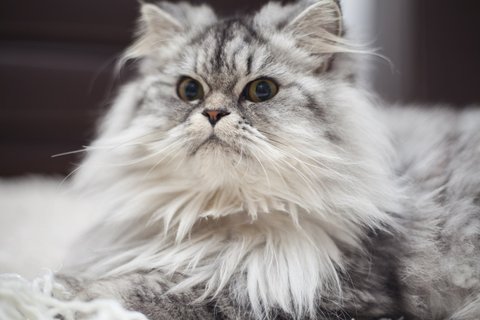
Not every cat has visible diarrhoea. Appetite can also fall if the underlying disease causes nausea or pain. A cat losing weight needs investigation regardless of whether the litter tray contents look normal.
When to see a vet urgently
Seek prompt treatment if digestive symptoms are accompanied by any of the following:
- Weakness so severe your cat cannot stand or walk.
- Repeated vomiting preventing food and water staying down.
- A clearly painful or rapidly swelling abdomen.
- Refusal to eat, unusual apathy or reduced consciousness.
Persistent weight loss should not be monitored indefinitely at home either. You can find a vet near you.
Overview
Food nutrients are normally broken down and absorbed in the small intestine. Malabsorption disrupts this process, leaving your cat deficient in proteins, fats, vitamins and minerals. This causes chronic wasting, vitamin deficiencies and metabolic disturbances. In cats, the syndrome is most often part of inflammatory or neoplastic gastrointestinal disease.
Impaired food breakdown is called maldigestion. This occurs, for example, when the pancreas produces insufficient digestive enzymes. Malabsorption itself may instead result from damage to the small intestinal lining. Both prevent the body using nutrients, so symptoms can resemble one another. Pancreatic insufficiency differs from pancreatitis, although the conditions can be related.
Intestinal lymph vessels help transport fat into the circulation. Their disease may also involve protein loss into the bowel. However, low blood protein alone does not establish an intestinal cause, because protein may also be lost through the kidneys or production impaired by liver disease.
Causes
Malabsorption in cats develops as a result of:
- Inflammatory bowel diseases, including IBD.
- Lymphangiectasia, with dilated intestinal lymph vessels and protein loss.
- Chronic bacterial or parasitic infections, including giardiasis and cryptosporidiosis.
- Tumours, such as intestinal lymphoma.
- Chronic pancreatitis and pancreatic insufficiency.
- Postoperative or congenital absorption disorders.
The listed diseases are not equally common in every cat. Several digestive problems can coexist, such as intestinal and pancreatic disease. Food-responsive enteropathy is also possible. However, weight loss with a good appetite can relate to hyperthyroidism, so should not automatically be interpreted as malabsorption.
Risk factors
- Cats with chronic digestive problems.
- Cats from shelters or breeding catteries, with greater parasite and infection risk.
- Older cats.
- Breed predisposition in Siamese and Oriental cats.
- Prolonged antibiotics or corticosteroids that alter intestinal microbiota.
Age and breed risks depend on the actual disease. Information on general feline malabsorption susceptibility, particularly in Siamese and Orientals, is limited. Antibiotics can alter microbiota, but earlier medicines alone do not establish the cause. Corticosteroids also treat some inflammatory bowel diseases; do not change prescribed medicines based on this risk list.
Typical symptoms
- Chronic or intermittent diarrhoea.
- Greasy, foul-smelling stools, called steatorrhoea.
- Weight loss despite a normal or increased appetite.
- A dull coat and brittle claws.
- Tiredness and reduced activity.
- Swelling with severe protein deficiency.
Weight may fall gradually, first showing as a more prominent spine and shoulder blades or reduced muscle. Observations of larger stool volumes, vomiting and variable appetite help investigations. Greasy-looking stools or a poor coat alone do not prove a specific nutrient deficiency.
Diarrhoea and vomiting increase fluid loss. Dry or sticky gums, weakness and reduced appetite can relate to dehydration. A swollen abdomen does not always mean weight gain: it may contain fluid or another change needing investigation. These findings cannot be reliably distinguished by feeling the abdomen at home.
Complications and consequences
Untreated malabsorption leads to:
- Severe wasting.
- Vitamin deficiencies, particularly vitamins A, D, E and K.
- Anaemia and metabolic disturbances.
- Death with prolonged disease.
The nature and severity of consequences vary; not every cat develops every listed deficiency. Cobalamin, or vitamin B12, deficiency is particularly important in intestinal and pancreatic disease. Seek care before severe wasting, because persistent low energy intake and muscle loss make recovery harder.
Diagnosis at the vet
Because malabsorption is a syndrome, investigations seek its underlying cause:
- Blood tests, including biochemistry and protein and vitamin values.
- Faecal tests for parasites, occult blood and fat.
- Blood vitamin B12 (cobalamin) and folate: B12 is often low in feline intestinal and pancreatic disease, and treatment works less well without correcting it.
- An fTLI test to rule out pancreatic insufficiency.
- Abdominal ultrasound.
- Intestinal biopsy if IBD or lymphangiectasia is suspected.
- Viral and pancreatic insufficiency tests.
Examination assesses muscle mass, hydration and abdominal findings as well as weight. Report every food, treat, supplement and medicine, and the relationship between symptoms and diet changes. Blood count, organ values and urine tests also help investigate non-intestinal causes. Thyroid testing may be necessary, particularly in an older cat.
fTLI measures a substance related to pancreatic digestive enzyme production and helps identify pancreatic insufficiency. It does not measure intestinal absorption alone. Agree preparation and any repeat testing with the practice. Simply trying an enzyme product does not replace diagnosis.
Low B12 can support suspicion of intestinal or pancreatic disease, but a normal value does not exclude them. Folate alone is not proof of bacterial overgrowth or a specific enteropathy either. Faecal fat is non-specific. Parasite tests are chosen according to exposure and the suspected agent, and not every positive bacterial finding establishes the cause of symptoms.
Ultrasound examines the bowel wall, lymph nodes and other abdominal organs. Normal ultrasound does not exclude intestinal disease, and wall thickening alone cannot distinguish inflammation from lymphoma. Tissue samples may be taken endoscopically or surgically where needed. Microscopic tissue examination can be supplemented if distinguishing inflammation from cancer is difficult.
Treatment and feeding
There is no malabsorption medicine suitable for every cat. Confirmed parasites receive appropriate medicines, pancreatic insufficiency receives enzyme replacement, and inflammatory or neoplastic disease is treated according to its diagnosis. A severely dehydrated or poorly eating cat may need hospital care and nutritional support before further investigations.
Diet is chosen according to the cause and condition. Options include highly digestible food or a planned trial using novel or hydrolysed protein. Extra foods and treats can complicate interpretation. With pancreatic insufficiency, fat and fibre are adjusted according to response; severe fat restriction is not a general instruction for every cat.
B12 deficiency can be corrected orally or by injection under a veterinary plan, with response monitored. Vitamins do not replace intestinal disease treatment. Nor are antibiotics or probiotics automatic solutions: antibiotic need is assessed separately, and evidence for probiotic benefits in sick cats remains limited.
Home care and prognosis
Record food eaten, stool consistency, vomiting and weight changes. Consistent weighing makes comparison easier. Report rejection of the planned food: do not starve a cat losing weight to make a trial work or force-feed without guidance.
Treatment is assessed through weight, muscle condition, symptoms and necessary blood values. Better stools alone do not guarantee adequate nutrient intake. Prognosis depends on the cause and response. Chronic enteropathy can often be managed, but some cats need ongoing dietary treatment or medicines. Marked weight loss, poor appetite and severe protein loss may worsen prognosis.
Prevention
- Maintain regular worming and parasite control.
- Feed a balanced, easily digestible diet.
- Treat gastrointestinal diseases promptly.
- Support immunity through appropriate feeding and reduced stress.
- Attend regular veterinary appointments for persistent diarrhoea or weight loss.
Parasite control is planned according to lifestyle and infection risk, using faecal samples where needed. A complete diet prevents problems from inadequate feeding, but not every intestinal inflammation or tumour. Repeated trials of wormers or vitamins do not replace treatment of a symptomatic cat.
Important for cat owners
Malabsorption always signals serious digestive problems. Remember that persistent diarrhoea and weight loss despite a good appetite need prompt investigation. Finding and treating the cause early can prevent serious complications and restore a full life.
Investigations establish severity and treatment possibilities; malabsorption itself does not mean an incurable disease. Early treatment may help, but complete recovery cannot be promised before the cause and extent of damage are known.
This article provides general information and does not replace veterinary care. Contact a vet if you notice signs of illness in your cat.
Frequently asked questions
Can a cat have malabsorption without diarrhoea?
Yes. Particularly in cats, small intestinal disease can cause weight loss or vomiting without obvious diarrhoea. Normal-looking stools are therefore insufficient to rule it out.
Does low B12 always mean IBD?
No. It can also fall in other intestinal diseases and pancreatic insufficiency. It helps plan treatment, but other investigations establish the cause.
Can diet alone resolve malabsorption?
Food-responsive disease may improve on a suitable diet. However, pancreatic insufficiency, parasites or a tumour may need other treatment, so diet is chosen according to diagnosis.
Why is an intestinal biopsy needed?
Tissue may be needed to distinguish inflammation from lymphoma, because symptoms, blood tests and ultrasound partly overlap. Sampling method depends on your cat's condition and the area being examined.
This article is for general information only and is not a guide to treatment. If you notice the first signs of illness, contact your vet.
Paw4care editorial team
Sources
- Malabsorption Syndromes in Small Animals, Merck Veterinary Manual, accessed 2026-11-03.
- Inflammatory Bowel Disease, Cornell Feline Health Centre, accessed 2026-11-03.
- ACVIM consensus statement guidelines on diagnosing and distinguishing low-grade neoplastic from inflammatory lymphocytic chronic enteropathies in cats, ACVIM / Journal of Veterinary Internal Medicine, accessed 2026-11-03.
- Effect of oral or subcutaneous administration of cyanocobalamin in hypocobalaminemic cats with chronic gastrointestinal disease or exocrine pancreatic insufficiency, Journal of Veterinary Internal Medicine / PubMed, accessed 2026-11-03.
- Nutrition and Pancreatic Disease in Cats, VCA Animal Hospitals, accessed 2026-11-03.
- 2022 ISFM Consensus Guidelines on Management of the Inappetent Hospitalised Cat, Journal of Feline Medicine and Surgery, accessed 2026-11-03.
- Worm Control in Dogs and Cats, Guideline 01, ESCCAP, accessed 2026-11-03.
- Initial Triage and Resuscitation of Small Animal Emergency Patients, Merck Veterinary Manual, accessed 2026-11-03.
- Hydration, Cornell University College of Veterinary Medicine, accessed 2026-11-03.
- Efficacy of probiotic, prebiotic, synbiotic and postbiotic supplementation on gastrointestinal health in cats: systematic review and meta-analysis, Journal of Small Animal Practice, accessed 2026-11-03.
- Weight loss in cats, PDSA, accessed 2026-11-14.
- Diarrhoea in cats, PDSA, accessed 2026-11-14.