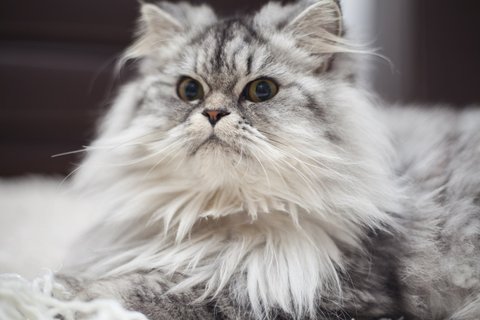
Inflammation may also be associated with local irritation, vomiting, a foreign body or a tonsillar tumour. Tonsillitis is therefore an examination finding whose underlying cause needs investigation. Redness at the back of the throat alone does not show that the tonsil is the only tissue causing symptoms.
When to see a vet urgently
Seek emergency care if your cat has any of these signs:
- difficulty breathing or open-mouth breathing;
- inability to swallow water or saliva;
- increasing throat swelling and constant gagging;
- difficulty swallowing together with severe weakness or complete failure to eat;
- string, a needle or another lodged foreign body visible in the mouth.
Do not probe the throat or pull visible string. You can find a vet near you.
Overview
The tonsils are lymphoid tissue in the throat that contributes to defence against infection. Bacteria, viruses or irritants can make them inflamed, enlarged and tender. In cats, tonsillitis is most often a sign accompanying stomatitis, gingivitis, viral infections such as FHV and FCV, or chronic respiratory inflammation.
In tonsillitis, inflammation is located in a tonsil. Pharyngitis means inflammation of the throat wall, and stomatitis means inflammation of the oral lining. These changes can occur together, but the terms are not synonyms. Examination identifies which area has changed and why swallowing is painful.
Chronic feline gingivostomatitis can extend to the back of the mouth and look like a tonsil problem to an owner. It involves an abnormal inflammatory response and is not always an ordinary bacterial infection. Antibiotics alone therefore do not resolve every red and painful mouth.
Causes
- viral infections, including herpesvirus and calicivirus;
- bacterial infections of the mouth and respiratory tract;
- chronic oral and gum inflammation;
- mechanical injuries from bones or foreign bodies;
- fungal and mixed infections;
- secondary inflammation with chronic bronchitis, pharyngitis or rhinitis.
Prolonged coughing, vomiting and regurgitation can also irritate the tonsils. A grass stem or other material may cause local inflammation. When a foreign body is removed, any injury or abscess is assessed too. Correcting the exposure is then different from simply medicating redness.
The listed infections are not all found equally often, and comprehensive frequency data on the causes of feline tonsillitis are lacking. Suspected rare fungal infection in particular requires appropriate findings and tests. An ordinary organism growing from a swab does not alone establish what caused the symptoms.
Risk factors
- kittens and young cats, which are more susceptible to viral infections;
- cats with chronic oral disease;
- cats in shelters and breeding establishments;
- cats with reduced immunity.
Precise estimates of tonsillitis risk in these feline groups are scarce. Conditions in a multi-cat household or shelter may increase exposure to respiratory viruses, but do not mean every cat living there has tonsillitis. Infection risk, oral health and the individual's condition are assessed separately.
Typical symptoms
- painful swallowing, with refusal of dry food;
- increased salivation;
- reduced appetite or not eating;
- coughing or gagging;
- bad breath;
- fever and lethargy.
A cat may want to eat and approach the bowl but not take food because swallowing hurts. Eating soft food instead of dry food does not rule out significant pain. Symptoms may occur elsewhere too: nasal or eye discharge supports investigation of respiratory disease, while mouth ulcers may be associated with calicivirus, for example.
Tonsillitis can sometimes be a finding with few symptoms. Conversely, heavy drooling or gagging may result from a foreign body, abscess or another throat lesion. You cannot reliably identify these with a torch. Resistance to opening the mouth may indicate pain, and you should not continue an examination by force at home.
Complications and consequences
- chronic tonsillitis;
- spread of infection to the respiratory tract;
- a tonsillar abscess;
- wasting from prolonged failure to eat.
Serious complications are not the expected course of every case of tonsillitis. A key assessment is nevertheless whether the cat can breathe, swallow and receive enough fluid and nutrition. An abscess or extensive swelling can narrow the airway. Investigation of a cat that is not eating should not be postponed because the problem seems like a minor throat inflammation.
Diagnosis at the vet
- throat examination for enlarged, reddened tonsils;
- endoscopic throat examination under sedation;
- swabs and cultures to investigate infection;
- blood tests for inflammatory changes and viral infections;
- ruling out stomatitis, gingivitis and other primary conditions.
Initially, the vet assesses general condition and breathing, then examines the mouth, teeth and throat. Sedation or anaesthesia is considered according to the extent of examination needed and how painful the area is. Safety in a patient struggling to breathe takes priority over a detailed oral examination. Endoscopy is not essential for every otherwise well cat.
How are samples interpreted?
Culture may be needed for a lesion containing pus or an infection responding poorly to treatment, for example. The sampling site and sample quality affect the result. Bacterial growth from the mouth or throat may also reflect normal flora, colonisation or contamination. The result is combined with tissue appearance, any cell sample and the cat's symptoms.
PCR testing for respiratory viruses is selected according to clinical suspicion. Calicivirus can also be detected in healthy cats, and a negative result does not reliably rule it out. Herpesvirus may remain latent in the body and reactivate later. A viral result therefore does not alone establish the cause of every tonsillar change or rule out concurrent dental disease.
When is a biopsy needed?
A persistent, one-sided or clearly mass-like lesion may need a tissue sample to rule out another oral condition or a tumour. Inflammation and a tumour can also occur together. Finding inflammatory cells does not automatically identify the original cause. Sampling and any imaging are chosen according to the finding, rather than treating every throat change under the same diagnosis.
Treatment and recovery
Treatment aims to remove or control the underlying cause and enable comfortable swallowing. If the tonsillitis is bacterial, the vet prescribes a suitable antibiotic. A viral infection itself is not cured by antibiotics, but a possible secondary bacterial infection is assessed separately. Culture and sensitivity testing may help select treatment in a severe or recurrent case.
A foreign body may need removal under anaesthesia, and an abscess may need drainage. Medication alone cannot replace removal of material lodged in the throat. Chronic gingivostomatitis or dental disease needs its own treatment plan. Removing the tonsils is not usually the first choice or a necessary treatment for feline tonsillitis.
Pain, fluids and nutrition
Pain relief is chosen to suit the cat. If oral medication is difficult, the route is agreed separately. Do not experiment at home with human throat remedies or mouthwashes. Resistance during swallowing indicates a need to assess pain and safe administration, rather than to give the medicine more forcefully.
The vet may recommend soft, palatable food if swallowing is safe. Monitor the amount actually eaten, because simply visiting the bowl may conceal inadequate intake. Not eating or being unable to drink may require fluid therapy and nutritional support. A feeding tube is one possible aid when enough nutrition cannot be given by mouth.
Do not force food into a painful throat with a syringe or spread it on the paws to make the cat lick it off. Force can increase pain and food aversion. The treating practice plans alternative nutrition and teaches any necessary home care. A tube does not itself remove throat pain.
Monitoring at home
Monitor eating, drinking, salivation, swallowing and energy, as well as any respiratory symptoms. Contact the practice again if symptoms return or worsen. Check-ups also assess the original oral or respiratory disease's response to treatment. There is no single recovery time for every cat because the causes and severity of tonsillitis vary.
Prevention
- Treat dental and oral disease promptly.
- Vaccinate your cat against cat flu viruses, FHV and FCV.
- Maintain oral hygiene.
- Support immunity.
- Protect your cat from becoming chilled and from stress.
Vaccination reduces illness and symptoms caused by respiratory viruses, but does not guarantee complete prevention of infection or viral shedding. A vaccinated cat may therefore still need investigation. Arrangements for an ill cat's contacts are agreed according to the suspected cause.
Avoiding chilling and maintaining a calm routine do not alone prevent tonsillitis. Stress may be associated with herpesvirus reactivation, but a foreign body or dental disease requires its own preventive approach. Continue appropriate care of a healthy mouth; do not forcibly brush a mouth that is already inflamed and painful.
Important for cat owners
Tonsillitis in cats is often secondary to a problem in the mouth or respiratory tract. Remember that refusal of food, drooling and painful swallowing are reasons to take your cat to a vet immediately.
This article provides general information and does not replace veterinary care. If you notice signs of illness in your cat, contact a vet.
Frequently asked questions
Is tonsillitis the same as cat flu?
No. Tonsillitis describes inflammation of a tonsil, whereas cat flu usually means an infectious upper respiratory disease. They can occur together. However, a foreign body, oral disease or vomiting can also irritate a tonsil, so the cause is investigated separately.
Does tonsillitis always need antibiotics?
No. Antibiotics are used for bacterial infection or when there is good reason to suspect one. A virus, mechanical irritation and immune-mediated oral disease need different treatment. Pain, swallowing and nutrition problems are addressed alongside medication.
Are a cat's tonsils removed for recurrent inflammation?
Usually not. The underlying mouth, throat or respiratory problem is investigated and treated first. Removal or another procedure may be considered for an individual reason, but it is not routine treatment for every patient with tonsillitis.
This article is for general information only and is not a guide to treatment. If you notice the first signs of illness, contact your vet.
Paw4care editorial team
Sources
- Tonsillitis in Cats, Merck Veterinary Manual, accessed 2026-11-03.
- Pharyngitis in Cats, Merck Veterinary Manual, accessed 2026-11-03.
- Guideline for Feline Calicivirus Infection, ABCD, accessed 2026-11-03.
- Guideline for Feline Herpesvirus Infection, ABCD, accessed 2026-11-03.
- Gingivostomatitis, Cornell Feline Health Centre, accessed 2026-11-03.
- Bowel Obstruction/Intestinal Blockage in Cats, PDSA, accessed 2026-11-03.
- 2023 AAFP/IAAHPC Feline Hospice and Palliative Care Guidelines, AAFP / IAAHPC, Journal of Feline Medicine and Surgery, accessed 2026-11-03.
- Oral Inflammatory and Ulcerative Disease in Small Animals, Merck Veterinary Manual, accessed 2026-11-03.
- Microbiology Testing for Animals, Merck Veterinary Manual, accessed 2026-11-03.