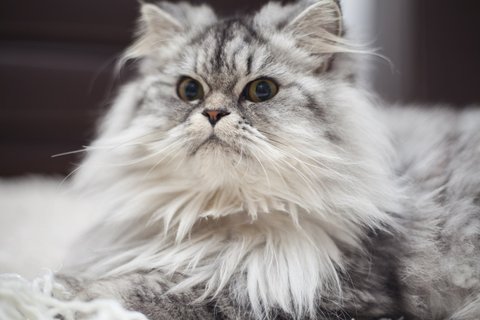
Enteritis describes the location of inflammation, but does not yet identify its cause. Non-infectious, chronic inflammatory bowel disease can also inflame the small intestine. Diarrhoea and vomiting, in turn, are symptoms with other possible causes too.
When to see a vet urgently
Seek immediate assessment if your cat has:
- repeated vomiting and cannot keep water down,
- severe weakness, collapse or clearly reduced responsiveness,
- bloody diarrhoea together with loss of appetite or lethargy,
- a painful, tense abdomen,
- diarrhoea and rapidly deteriorating general health in a kitten.
You can find a vet near you. A cat with severe symptoms needs care rather than waiting at home to see whether this is a passing stomach upset.
Overview
The small intestine plays a central role in digesting food and absorbing nutrients. Inflammation disrupts its function, leading to diarrhoea, abdominal pain and poor absorption of food. In cats, enteritis often develops suddenly with obvious symptoms, but chronic inflammation may cause few signs while gradually undermining health.
An inflamed intestinal wall may not absorb water and nutrients normally. Electrolytes are salts essential for the body's function, which are lost through diarrhoea and vomiting. Fluid loss combined with reduced drinking can cause rapid deterioration.
However, not all loose stools indicate inflammation of the small intestine. Disease of the large intestine, for example, or a kidney, liver or thyroid problem outside the gut can cause digestive symptoms. When symptoms recur, investigations aim to establish where the problem lies and what is sustaining it.
Causes
The main causes of enteritis in cats include:
- viral infections, including panleukopenia, coronavirus enteritis and calicivirus infection
- bacterial infections, including salmonellosis, Campylobacter infections and Escherichia coli infection
- parasites, including worms and protozoa causing coccidiosis or giardiasis
- poisoning or poor-quality food
- a sudden change of diet
- food allergies
- chronic digestive tract diseases
Calicivirus most commonly causes changes in the mouth and respiratory tract, so it should not be assumed to cause every episode of diarrhoea. Finding bacteria in faeces alone does not establish bacterial enteritis either. Potential intestinal pathogens can also occur in healthy cats.
Giardia, also known as Lamblia, is a protozoan that lives in the small intestine and can cause diarrhoea. It is not a worm, and a general worming treatment will not resolve every protozoal infection. Chronic inflammatory bowel disease, in contrast, may involve an abnormal immune response and is not necessarily an infection.
Risk factors
Enteritis is more common in cats in the following groups:
- kittens and young animals whose immune systems are not yet fully developed
- animals not vaccinated against common viral infections
- cats living in crowded conditions, such as shelters or breeding establishments
- cats not receiving regular parasite control
- cats with chronic digestive system diseases
The importance of each risk varies with the underlying cause, and the relative effect of every factor listed is not precisely known in cats. For example, lack of vaccination is relevant to panleukopenia, but vaccination does not prevent every parasite, food reaction or chronic intestinal inflammation.
Middle-aged and older cats can also have long-term inflammation of the small intestine. In kittens, particular attention is paid to infections and rapid changes in general health. In a household with several cats, tell the vet whether several animals became ill at the same time or only one has symptoms.
Main symptoms
Enteritis can cause:
- frequent diarrhoea, sometimes with blood or mucus
- abdominal pain and rumbling in the abdomen
- listlessness and reduced appetite
- weight loss in chronic cases
- vomiting, particularly with viral enteritis
- dehydration, with dry mucous membranes, sunken eyes and thick saliva
The colour, smell or mucus content of diarrhoea does not identify the pathogen on its own. Weight loss, appetite changes and the duration of symptoms also guide investigations. A single mild episode of diarrhoea has different implications from symptoms recurring for weeks or severe lethargy accompanying vomiting in a kitten.
A cat may show abdominal pain by hiding or resisting being picked up. Straining and defecating outside the litter tray, as described by the owner, are part of the history and should not automatically be interpreted as a behavioural problem. If you suspect a swallowed object or toxic substance, tell the veterinary practice immediately.
Complications and consequences
Without treatment, enteritis can lead to:
- severe dehydration and electrolyte disturbances
- sepsis in bacterial cases
- physical depletion and vitamin deficiencies
- secondary infections
- death in kittens and weakened animals
Sepsis is not the outcome of every case of enteritis or every positive bacterial finding. A severe systemic infection is a different situation from mild, localised diarrhoeal illness. The reference to toxic effects in the opening paragraph does not, on its own, mean exposure to a poison either; a cat with symptoms is assessed for fluid deficits, circulation problems and other disease.
Long-term inflammation may impair the absorption of vitamin B12, also called cobalamin, for example. A vitamin deficiency is not inferred from diarrhoea alone: the need for supplementation is assessed from investigations. Chronic weight loss may also require investigation of other diseases affecting absorption.
Diagnosis at the vet
Diagnosis may involve the following investigations:
- faecal testing for parasites, bacterial cultures and viral PCR
- a complete blood count and blood biochemistry
- abdominal ultrasound
- X-rays if an intestinal obstruction is suspected
- a clinical history covering contact with other animals, vaccinations and feeding
What can samples tell us?
Prepare information about food, treats, medicines, travel and contacts for the appointment. The vet assesses weight, dehydration, abdominal tenderness and general condition, among other things. Not every cat needs every test listed: the choice depends on the severity and duration of symptoms and the initial findings.
Faecal testing is selected according to the suspected cause. Giardia can be sought using microscopy, an antigen test or PCR. Because shedding can vary, several samples may be requested, following the collection instructions provided. One negative sample does not rule out every parasitic infection.
Even a positive test does not always establish the cause. For example, Giardia can be found in a cat without symptoms. Detecting a bacterium or toxin gene by PCR does not prove that the bacterium is currently producing a toxin responsible for symptoms. The result is considered alongside the cat's condition and other findings.
Imaging and tissue samples
X-rays and ultrasound can look for an obstruction, foreign body or changes in intestinal structure, for example. Prolonged vomiting and diarrhoea can also be associated with intussusception, where a section of intestine slides into itself. Simply calling the problem inflammation must not delay recognition of a mechanical problem of this kind.
If chronic inflammatory bowel disease is suspected, biopsies of the intestinal wall may be needed. Ultrasound alone cannot confirm the type of inflammatory cells or distinguish every disease. The vet assesses the need for sampling after investigating infections, dietary causes and other possibilities.
If both the small and large intestines are inflamed, this is called enterocolitis. Read more in Enterocolitis in cats.
Treatment and nutrition
Correcting fluid and electrolyte balance is a central part of treatment. How fluids are given depends on the degree of dehydration and whether the cat can drink and keep fluids down. A severely dehydrated or systemically ill cat may need hospital care. Vomiting and pain can be treated with medicines selected by the vet.
Antibiotics are not an automatic treatment for enteritis. Even most bacterial diarrhoeal illnesses may be self-limiting, and unnecessary medication increases the risk of resistance. However, a severe infection or sepsis may require antibiotics and other intensive care. Treatment decisions are based on the whole picture, not bloody stools alone.
A confirmed parasitic infection is treated with a suitable product, and cleaning takes the cycle of reinfection into account. Chronic non-infectious disease may require dietary treatment and medication to control inflammation. Temporary improvement in symptoms does not always mean a long-term disease has resolved.
The feeding plan takes nutritional adequacy and digestibility into account. During a diet trial, other foods and treats can interfere with interpretation. Do not repeatedly change foods on your own. Tell the vet if your cat is not eating so that feeding support can be arranged according to its condition.
Home care and limiting infection
Monitor stool consistency, vomiting, appetite, drinking and alertness. In a chronic case, changes in weight help assess the response to treatment. If your cat's general condition deteriorates or the prescribed treatment does not help as expected, contact the practice to arrange reassessment.
Remove faeces carefully and wash your hands after cleaning the litter tray and handling a sick cat. Some intestinal bacteria can infect people. Raw meat or contaminated water can be a source of infection, so mention this type of feeding or exposure. A sick cat's contact with other animals is managed according to the suspected infection.
Prevention
To reduce the risk of enteritis:
- keep vaccinations against viral infections up to date
- provide regular parasite control
- offer good-quality food and avoid sudden changes of diet
- keep food bowls and the litter tray clean
- limit contact with potentially sick animals
Prevention is planned according to the cause and the cat's living conditions. For example, treating Giardia without reducing faecal contamination of the environment may leave a risk of reinfection. Vaccinations protect against specific diseases, but do not provide general protection against all causes of diarrhoea or small intestinal inflammation.
Enteritis as a sign of disease
It is important to remember that enteritis is often not a disease in its own right, but a manifestation of another condition: a viral, bacterial or parasitic disease. The owner and vet need both to relieve the symptoms of inflammation and to identify the underlying causes.
Strictly speaking, enteritis means inflammation, whereas diarrhoea and vomiting are observable symptoms. The cause of inflammation may be infectious or non-infectious. Identifying the underlying cause determines whether treatment requires an antiparasitic medicine, a dietary change, anti-inflammatory medication or something else.
What it means for owners
Enteritis in cats is a dangerous condition, particularly for kittens. Owners should remember that frequent diarrhoea, vomiting and listlessness require immediate veterinary attention. Early treatment prevents dehydration and can save the animal's life.
This material is for information and does not replace veterinary advice. Seek veterinary attention immediately when the first signs of illness appear.
Frequently asked questions
Does enteritis always mean an infectious stomach bug?
No. The small intestine can also become inflamed with chronic immune-mediated disease or a food reaction. The risk of infection is assessed using test results and the history of symptoms.
Does bloody diarrhoea always need antibiotics?
Not automatically. Blood is a sign that warrants investigation, but does not establish a bacterial infection on its own. Treatment is selected according to general condition, findings and the suspected cause.
Can a cat without symptoms test positive for Giardia?
Yes. Giardia can be present without diarrhoea, so a positive result is assessed alongside the cat's symptoms. It does not, on its own, prove the cause of every digestive symptom.
This article is for general information only and is not a guide to treatment. If you notice the first signs of illness, contact your vet.
Paw4care editorial team
Sources
- Diarrhoea, Cornell University, accessed 2026-11-03.
- Gastroenteritis in Cats, VCA, accessed 2026-11-03.
- Inflammatory Bowel Disease, Cornell University, accessed 2026-11-03.
- GUIDELINE for Giardiasis, European Advisory Board on Cat Diseases, accessed 2026-11-03.
- Feline Panleukopenia, Merck Veterinary Manual, accessed 2026-11-03.
- Disorders Caused by Bacteria of the Digestive System in Cats, Merck Veterinary Manual, accessed 2026-11-03.
- Feline Respiratory Disease Complex, Merck Veterinary Manual, accessed 2026-11-03.
- Diarrhoea in cats, PDSA, accessed 2026-11-14.
- Vomiting in cats, PDSA, accessed 2026-11-14.