

The Renaissance
and modern times
and modern times
(16th–19th centuries)


The Renaissance and the early modern era brought major changes in European culture, science and society. It was a period full of discoveries, a revival of art and science, and new technologies. Animals became far more present in people's lives: they not only helped in the household and in war but also became an important part of aristocratic life. This was when the systematic study of animals began, new breeds of dogs and cats appeared, and horse breeding grew more sophisticated.

The Renaissance
and modern times
(16th–19th centuries)
The Renaissance and the early modern era brought major changes in European culture, science and society. It was a period full of discoveries, a revival of art and science, and new technologies. Animals became far more present in people's lives: they not only helped in the household and in war but also became an important part of aristocratic life. This was when the systematic study of animals began, new breeds of dogs and cats appeared, and horse breeding grew more sophisticated.


Science and classification



Horse breeding
Aristocratic breeds

Science and
classification
classification


Horse breeding
Aristocratic breeds

The Renaissance brought a new interest in science and art. People paid more attention to nature, and as scientific methods developed, the world began to be studied more systematically. This was when the first attempts were made to classify animals and to study their anatomy and behaviour.
The first studies of animals

1
The first studies of animals
The Renaissance brought a new interest in science and art. People paid more attention to nature, and as scientific methods developed, the world began to be studied more systematically. This was when the first attempts were made to classify animals and to study their anatomy and behaviour.
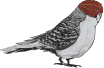
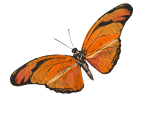



The first scientific classifications of animals
1
During the Renaissance and early modern era the systematic study and classification of animals began to develop. As early as the 15th and 16th centuries naturalists and scholars started to sort animal species into groups according to their features.


During the Renaissance and early modern era the systematic study and classification of animals began to develop. As early as the 15th and 16th centuries naturalists and scholars started to sort animal species into groups according to their features.
The first theories of classification appeared, which later laid the foundation for more precise scientific work, such as that of Carl Linnaeus in the 18th century. These early classifications gave the first push to what we now call biological classification, or taxonomy.
The first scientific classifications of animals
1


His works, such as Systema Naturae (1735), formed the basis of modern biological classification. He developed the system of two-part scientific names that is still used today.
Carl
Linnaeus


Carl Linnaeus

His works, such as Systema Naturae (1735), formed the basis of modern biological classification. He developed the system of two-part scientific names that is still used today.


Classifying animals:
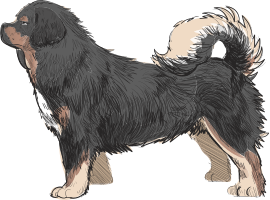
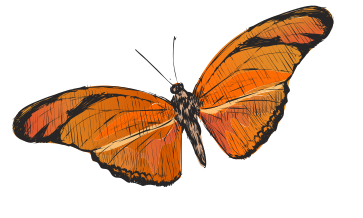
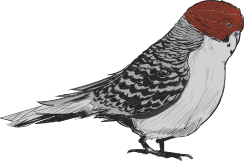
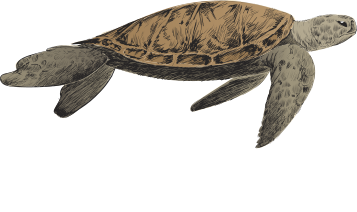
In this period the first attempts appeared to divide animals into groups according to their features.
Fish
Birds
Mammals
Insects
Amphibians
Classifying animals:

Birds
Insects
Amphibians
Fish


Renaissance scholars began to study the biology of domestic animals. The first works on domestic animals appeared, covering in particular their:


Scholars and the biology of domestic animals
2


interaction with people

behaviour
anatomy
Scholars
and the biology of domestic animals
and the biology of domestic animals
2
Renaissance scholars began to study the biology of domestic animals. The first works on domestic animals appeared, covering in particular their:

anatomy
interaction with people
behaviour


For example, scholars began to study the physiology of horses, dogs and other domestic animals, which led to major improvements in breeding and use.


For example, scholars began to study the physiology of horses, dogs and other domestic animals, which led to major improvements in breeding and use.


These studies also helped veterinary medicine develop as a science and a practice. The work of scholars of the time helped people better understand the needs of domestic animals, their health and how to treat them.

These studies also helped veterinary medicine develop as a science and a practice. The work of scholars of the time helped people better understand the needs of domestic animals, their health and how to treat them.


Studying the physiology of dogs and horses
Veterinary medicine as a science


Scholars began to study the anatomy and behaviour of these animals, which improved breeding and care.
In this period veterinary medicine developed, and the first works on the diseases of domestic animals and their treatment appeared. The world's first veterinary school opened in Lyon in 1761, and London's Royal Veterinary College followed in 1791.
Studying the physiology of dogs and horses
:
:
Veterinary medicine as a science:

and modern times


The Renaissance
The Renaissance and early modern era were a time of great progress in the relationship between people and animals. Pedigree dogs and cats, advances in horse breeding and the beginnings of scientific study all meant that animals became not only helpers in daily life but also an important part of people's cultural and social identity.


The Renaissance and early modern era were a time of great progress in the relationship between people and animals. Pedigree dogs and cats, advances in horse breeding and the beginnings of scientific study all meant that animals became not only helpers in daily life but also an important part of people's cultural and social identity.




Horse breeding
Aristocratic breeds
Next chapter

The Renaissance
and modern times
and modern times


Horse breeding
Aristocratic breeds
Next chapter
Tools