

The 19th century
(1800s)
The 19th century brought major changes in many areas of life, and the study of animals was no exception. The century saw not only the growth of scientific knowledge but also new attitudes to domestic animals, which led to the first official dog and cat breeds. Zoology developed rapidly, and interest in pets grew, which was reflected in their status and role in society.


1
Scientific research: animal behaviour
and anatomy
and anatomy
Zoology flourished in the 19th century. This was when the study of animals became more systematic. Scientists began to look more deeply not only at animal anatomy but also at behaviour.


Scientific research: animal behaviour
and anatomy
and anatomy
1
Zoology flourished in the 19th century. This was when the study of animals became more systematic. Scientists began to look more deeply not only at animal anatomy but also at behaviour.


As theories of evolution developed, especially through the work of Charles Darwin, the study of animal behaviour became an important part of science. Particular attention was paid to domestic animals such as dogs and cats, to identify their instinctive reactions and patterns of behaviour.
Studying
behaviour
1
Studying behaviour
As theories of evolution developed, especially through the work of Charles Darwin, the study of animal behaviour became an important part of science. Particular attention was paid to domestic animals such as dogs and cats, to identify their instinctive reactions and patterns of behaviour.


Physiology and anatomy

The 19th century brought a major step forward in understanding animal physiology. Scientists studied not only the internal structure of animals but also their reactions to outside stimuli, which helped people understand their needs and behaviour.

The 19th century brought a major step forward in understanding animal physiology. Scientists studied not only the internal structure of animals but also their reactions to outside stimuli, which helped people understand their needs and behaviour.
Physiology
and anatomy
and anatomy


Scientific research in zoology
2
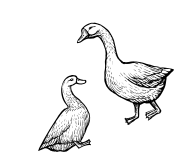
By now zoology was no longer just the classification of species. Scientists began to develop theories about the relationships between species and their behaviour. Studies of domestic animals, especially their ability to learn, adapt and evolve, were particularly important.


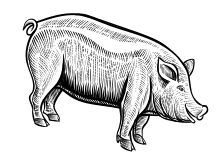
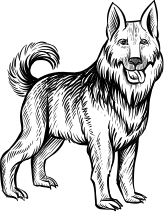

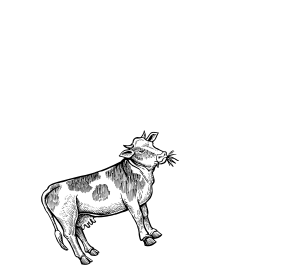
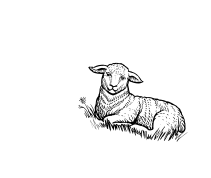

By now zoology was no longer just the classification of species. Scientists began to develop theories about the relationships between species and their behaviour. Studies of domestic animals, especially their ability to learn, adapt and evolve, were particularly important.
Scientific research in zoology
2


Darwin's
theory of evolution
theory of evolution
Research in anatomy
and physiology
and physiology


The principles of natural selection put forward by Charles Darwin began to influence the study of domestic animals, especially dogs and cats.
Darwin's theory made it possible to explain many behavioural traits of pets as the result of long-term evolution.
Darwin's theory made it possible to explain many behavioural traits of pets as the result of long-term evolution.
New methods of studying animals made it possible to define differences within a breed more precisely and to understand their characteristics, which played an important part
in developing breed standards.
in developing breed standards.
Darwin's theory of evolution:
Research in anatomy
and physiology:
and physiology:


Studying the behaviour and physiology of domestic animals
3

In the 19th century many scientists and animal lovers began to pay attention not only to pets' appearance but also to their behaviour. For example:






Studying the behaviour and physiology of domestic animals
3
In the 19th century many scientists and animal lovers began to pay attention not only to pets' appearance but also to their behaviour. For example:

The psychology of pets:

This was when the first experiments in training animals began. Dogs in particular started to be taught
not only simple commands but also more complex tasks, which revealed their cognitive abilities.
not only simple commands but also more complex tasks, which revealed their cognitive abilities.


This was when the first experiments
in training animals began. Dogs in particular
started to be taught not only simple commands but also more complex tasks, which revealed their cognitive abilities.
in training animals began. Dogs in particular
started to be taught not only simple commands but also more complex tasks, which revealed their cognitive abilities.
The psychology of pets:


Domestic animals, especially dogs, became not only guards and helpers but also companions in certain areas of life, such as farming or transport. This also influenced animal behaviour and the way people saw them.
The social role of pets


Domestic animals, especially dogs, became not only guards and helpers but also companions in certain areas of life, such as farming or transport. This also influenced animal behaviour and the way people saw them.
The social role of pets:


Modern breeds: how today's dog and cat breeds took shape
4
In the 19th century the formation of modern dog and cat breeds really took off. The
breeds we know today began to appear through systematic selection and the crossing of animals with particular qualities.
breeds we know today began to appear through systematic selection and the crossing of animals with particular qualities.


+
+
In the 19th century the formation of modern dog and cat breeds really took off. The breeds we know today began to appear through systematic selection and the crossing of animals with particular qualities.
Modern breeds: how today's dog and cat breeds took shape
4
+
+


Working and companion dog breeds were actively developed from the early 19th century. Examples include the Collie, bred for herding, and other breeds such as the Dachshund and the St Bernard, which had practical jobs.
Cat breeds appeared later, but from the late 19th century breeds focused on appearance began to develop. The Siamese, shown at the first British cat show in 1871, was one of the earliest pedigree cats.
Dogs:
Cats:


From the mid-19th century, work began on official standards for dog breeds. Key
moments were the founding of the first kennel clubs and the official recognition of dog breeds.
moments were the founding of the first kennel clubs and the official recognition of dog breeds.
Official dog breeds
5
More about dog breeds


More about dog breeds
From the mid-19th century, work began on official standards for dog breeds. Key moments were the founding of the first kennel clubs and the official recognition of dog breeds.
Official dog breeds
5


In 1873 the world's first kennel club, The Kennel Club, was founded in London to set standards for dog breeds. This was a milestone in the history of dog breeding.
The founding of dog clubs


In 1873 the world's first kennel club, The Kennel Club, was founded in London to set standards for dog breeds. This was a milestone in the history of dog breeding.
The founding of dog clubs.


At the same time the first large dog shows began, presenting many different breeds. This was a major event for dog lovers and increased interest in pedigree dogs.
The first dog shows


Learn about the most popular dog breeds

At the same time the first large dog shows began, presenting many different breeds. This was a major event for dog lovers and increased interest in pedigree dogs.
The first dog shows


Although cats did not attract as much attention as dogs, by the end of the 19th century the first breeds had appeared and were being shown at special cat shows.
The first official cat breeds
6


The first official cat breeds
6
Although cats did not attract as much attention as dogs, by the end of the 19th century the first breeds had appeared and were being shown at special cat shows.
Although cats did not attract as much attention as dogs, by the end of the 19th century the first breeds had appeared and were being shown at special cat shows.
At the end of the century the Maine Coon became popular in America for its size and charismatic nature: in 1895 a Maine Coon called Cosey won the first major cat show in New York.
Siamese cat:
Maine Coon:


Pet shows and clubs: how they began
7
In this period a culture of pet shows grew up, and specialist clubs were founded to draw up breed standards and organise shows.


In 1859 the first organised dog show was held in Newcastle upon Tyne, and in 1871 the first big cat show took place at the Crystal Palace in London. These events aroused wide public interest and were an important stage in the development of dog and cat breeding.
In the 19th century kennel clubs were founded that not only organised shows but also spread knowledge of breeds and improved their quality. The best known is The Kennel Club, founded in Britain in 1873.
The first pet shows:
Kennel clubs:





In 1859 the first organised dog show was held in Newcastle upon Tyne, and in 1871 the first big cat show took place at the Crystal Palace in London. These events aroused wide public interest and were an important stage in the development of dog and cat breeding.
In the 19th century kennel clubs were founded that not only organised shows but also spread knowledge of breeds and improved their quality. The best known is The Kennel Club, founded in Britain in 1873.
The first pet shows:
Kennel clubs:
In this period a culture of
pet shows grew up,
and specialist clubs were founded
to draw up breed standards and organise
shows.
pet shows grew up,
and specialist clubs were founded
to draw up breed standards and organise
shows.
Pet shows and clubs: how they began
7


So the 19th century was a time of great progress in zoology and in the breeding of pets. This century laid the foundations of the modern dog and cat breeds we know today.

So the 19th century was a time of great progress in zoology and in the breeding of pets. This century laid the foundations of the modern dog and cat breeds we know today.






Tools
History of pets: all chapters
- History of pets: contents
- Prehistoric times
- The Neolithic
- Antiquity
- The early Middle Ages
- The late Middle Ages
- The Renaissance: aristocratic breeds
- The Renaissance: horse breeding
- The Renaissance: science and classification
- 1900–1950: the rise of pedigree animals
- 1950–1980: pets for everyone
- 1980–2000: modern veterinary medicine