
Dog diseases · Skin and coat
Contact dermatitis and contact allergy in dogs
Contact dermatitis develops when the skin reacts to a substance touching it, either through irritation or allergic sensitisation. Contact allergy is rare in dogs, so other causes of itching and redness are investigated carefully. Signs often affect sparsely haired contact areas, such as the abdomen or paws.
When to see a vet urgently
A limited area of itchy dermatitis needs a veterinary appointment. Seek help immediately or the same day in the following situations:
- Your dog has difficulty breathing or its mucous membranes turn bluish.
- Your dog becomes unsteady or collapses after exposure.
- The face swells rapidly and your dog also vomits or seems very unwell.
- The skin is distinctly painful, ulcerated or draining blood and pus.
A sudden reaction affecting the whole body is a different situation from ordinary local contact dermatitis. You can find a vet near you to arrange care.
Overview
In contact dermatitis, inflammation is concentrated where a substance reaches the skin, so its location may reveal how exposure happened. For example, a dog lying on its belly on a treated lawn or carpet may develop a rash on the underside of its abdomen.
A directly irritating skin reaction does not require the dog to have become allergic to the substance beforehand. The allergic form, in contrast, depends on the immune system having previously become sensitised to the substance.
Both forms can look similar, so visual examination of the skin cannot always distinguish them. When the cause is identified and contact can be prevented, the outlook is often good.
Causes
Irritation and allergic inflammation develop differently
In the irritant form, a substance directly damages the skin surface and may cause changes on first contact. In contact allergy, a small chemical compound can bind to one of the skin's own proteins and make it a target recognised by the immune system.
Inflammation then develops particularly through a cell-mediated immune response, rather than simply because the substance is corrosive. T lymphocytes, a type of immune cell, participate in this reaction and trigger events that sustain local inflammation.
The sensitisation phase may last around 6 months to 2 years before visible contact allergy develops. A product used without problems for a long time can therefore start causing allergic dermatitis later.
Possible exposures include chemical compounds in cleaning products, plastic accessories or medicines applied to the skin. Nickel is also a recognised potential contact allergen, so a metal accessory may sometimes need investigation.
On the ear flap, a reaction may be caused by an ear medicine or an inactive ingredient in a product applied to the skin.
Risk factors
Sparsely haired areas are more directly exposed to environmental substances than skin protected by a thick coat. The spaces between the toes, armpits, groin and underside of the abdomen are therefore common sites, depending on the type of contact.
Repeated contact with the same chemical is more relevant to the history of the allergic form than whether the product is new. If several animals in one household develop signs after treatment with the same substance, direct irritation is a possible shared explanation.
Dogs with atopic disease have been suspected of being more susceptible to contact allergy, but this should not be used as a diagnosis. There is no reliably confirmed general list of predisposed breeds, although individual reports mention different breeds.
The inner surface of the ear flap is vulnerable to contact reactions because it usually has little hair.
Typical symptoms
Signs may fluctuate according to where and when your dog touches the substance responsible.
- Skin in the contact area becomes red and looks inflamed.
- Small red bumps or firmer raised patches develop.
- Your dog repeatedly scratches, licks, rubs or chews the affected area.
- The coat thins or bare patches develop.
- Scales and crusts build up, and a persistently affected area may look darker than before.
- An irritant reaction may cause blisters or ulcers that are particularly painful.
A reaction on the inner ear flap may also cause swelling, with varying degrees of itching or pain. Dermatitis associated with starting ear medication may appear within 1–7 days of the start of treatment.
With an irritant reaction, pain may be more prominent than itching.
Complications and consequences
Scratching and local inflammation can predispose the skin to secondary bacterial infection. With persistent contact dermatitis, the skin can thicken and become pigmented, changing the appearance of the affected area.
Open skin lesions can become infected, and constant itching reduces your dog's comfort even without a deep infection. A deep bacterial infection can extend into the dermis and increase the risk of bacteria spreading into the bloodstream.
New lesions may develop if the substance responsible remains part of the dog's everyday environment and contact cannot be avoided.
A concurrent infection can reduce the response to anti-itch medication and make treatment results harder to assess.
Diagnosis at the vet
The exposure history is considered alongside the skin examination
The investigation reviews all medicines, shampoos and other chemicals that have reached your dog's skin. Carpet cleaning, deodorising products and treatments used indoors or outdoors may also provide crucial exposure information.
The original location of skin changes and their subsequent spread are recorded so they can be compared with the dog's contact with different surfaces. More common causes of itching, such as parasites, skin bacteria and yeasts, are investigated first.
A cytology sample from the skin and, if necessary, the ear shows inflammatory cells and any microbes under the microscope. Skin scrapings look for parasites such as Demodex or scabies mites, whose itching may resemble an allergy.
Possible ringworm can be investigated using fungal culture or another fungal test chosen by the vet. A biopsy may be needed to rule out conditions such as pemphigus or skin cancer.
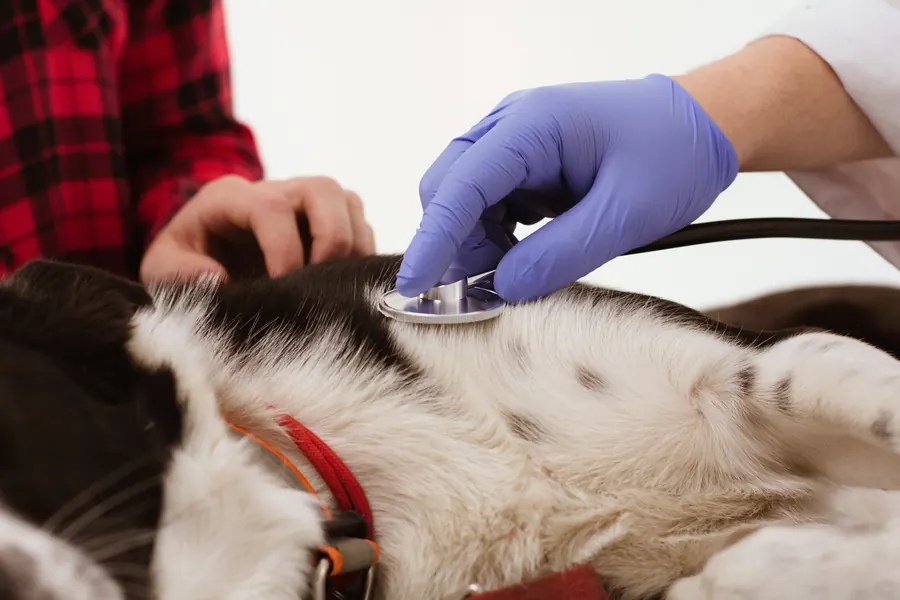
An itchy dog's skin and ears are examined across the whole body, even if you have noticed only one red patch. A dog that is very painful or resists examination may need sedation for a sufficiently thorough skin examination.
An avoidance trial and, if needed, patch testing
Suspected contact dermatitis becomes more likely if the skin settles after the suspected substance is removed and reacts on renewed contact. Deliberate re-exposure is not always attempted, as it can bring back pain and other signs.
In a patch test, the suspected substance is kept in close contact with intact skin under veterinary supervision. One possible test site is the side of the chest, with hair clipped around 24 hours before the planned test.
The first skin reaction in a closed patch test is usually assessed after 48 hours of contact. Interpretation aims to distinguish an allergic reaction from direct irritation by the substance where possible.
Redness, small bumps and blisters at the test site may indicate a positive reaction, which is compared with the other findings. In a small study, patch testing was positive in 9 of 22 dogs with allergic signs, or 41%.
Only 4 dogs with a positive result benefited clinically from avoiding the suspected allergen. A positive reaction therefore needs to fit actual exposure and the course of the signs before it can explain the dermatitis.
A negative test result does not definitively rule out contact allergy either.
Treatment
Exposure is removed and inflamed skin is soothed
Your vet prescribes skin care and any medication, and assesses how the suspected exposure can be removed safely. The most important treatment is to stop contact with the identified irritant or allergen.
Residue in the coat can sustain signs, so the dog may need washing under veterinary guidance before an avoidance trial. If plant contact is suspected, protecting the skin with a suitable shirt or paw covers may help limit exposure.
A topical or systemic corticosteroid chosen by the vet may be used to control severe inflammation. A dog reacting to an ear medicine may need an alternative with different active and inactive ingredients so that treatment for the ear infection can be completed.
A concurrent superficial bacterial infection can usually be treated topically without routinely prescribing an oral antibiotic. A deep skin infection usually needs a systemic antibiotic, with the choice guided by culture and susceptibility testing.
A yeast infection is treated separately if cytology and clinical signs support its significance. Repeated use of an antiseptic skin product can itself rarely cause contact dermatitis, so new worsening during treatment is investigated.
Redness or itching beginning immediately after an antiseptic is applied may be a temporary local irritant reaction. Corticosteroid medication can increase appetite, drinking and urination, so report these changes to the treating vet.
Prolonged topical corticosteroid use can thin the skin, so the duration and need for treatment are reviewed during follow-up. Mild dermatitis may begin to show visible improvement within 3–7 days after appropriate treatment starts.
A moderate reaction may take around 1–2 weeks to settle, particularly if medication is needed. Resolution after avoiding the cause has also been described as taking around 10–14 days.
Persistent disease and bacterial complications may slow recovery, so the expected timescale is reviewed according to the skin's actual response.
Keep chlorhexidine solutions out of the eyes and avoid splashing them nearby, as they can damage the cornea.
If the response is incomplete or absent, cytology may be repeated before the next treatment is chosen.
Prevention
Once the cause is known, recurrence is prevented by removing it from the dog's contact environment. If a treated carpet or a particular plant is responsible, this may mean moving the carpet or plant out of the dog's reach.
A chemical in a plastic food bowl or collar can be the exposure, in which case replacing that item forms part of an individual avoidance plan. Protective clothing can reduce contact between the skin and a suspected plant during walks.
Toys should also be considered when reviewing exposures, as nickel may be present in dog toy materials.
Important for dog owners
Make a timeline of the first signs and changes at home: floor cleaning, washing fabrics, garden treatments, new or familiar skin products, and places visited. Bring the packaging or ingredient list for the suspected product. Also tell the vet whether other animals in the household have shown signs.
Photograph the rash's location before cleaning and monitor what happens during the agreed avoidance trial. Record the severity of itching and pain, licking, and how your dog sleeps. Do not conduct a home test with a corrosive substance or reapply a suspected product to painful skin.
Keep a list of medicines and skin-care products. If the skin worsens after starting a new ear or skin medicine, contact the veterinary practice promptly for an alternative plan. Explain if giving the medicine or avoiding contact is not practical.
Frequently asked questions
Is all contact dermatitis an allergy?
No: an irritant reaction develops without an allergic sensitisation phase. In the allergic form, the immune system has become sensitised during earlier contact with the substance. However, the visible skin changes can look similar, so the history and other investigations are essential to distinguish them.
Can a familiar shampoo start causing signs?
A product used for a long time can cause an allergic reaction after sensitisation develops later. A treatment applied to the skin can also irritate or sensitise the skin itself. Do not judge suitability solely by previous use if the skin repeatedly worsens after application.
Does a positive patch test confirm the diagnosis?
The result must fit your dog's actual exposure and the course of the signs. In a small canine study, only some dogs testing positive benefited from avoiding the suspected substance. Patch-test results are therefore reviewed alongside a skin diary, the products used and the response to an avoidance trial.
Does dermatitis always need an antibiotic?
The main treatment for contact dermatitis is avoiding the cause and, if needed, controlling inflammation. Bacterial infection is investigated separately, and a superficial infection can usually be treated topically. Red skin alone is no reason to start another dog's leftover antibiotic.
How quickly should the skin settle?
In a mild case, improvement may be visible within 3–7 days of starting treatment. A moderate reaction may need around 1–2 weeks to settle. Persistent skin disease or a concurrent bacterial infection may slow the response. If the skin worsens or your dog is in pain, assessment is needed before the planned follow-up.
Sources
- Aural Contact Dermatitis in Animals, MSD Veterinary Manual, accessed 2026-11-03.
- Hypersensitivity Diseases in Animals, Merck Veterinary Manual, accessed 2026-11-03.
- Contact Dermatitis in Dogs, PetPlace, accessed 2026-11-03.
- Application of patch test in allergic (atopic) dogs and investigation of dog allergy incidence in people, Ankara Universitesi Veteriner Fakultesi Dergisi, accessed 2026-11-03.
- Koiran allergia ja atopia, Ajokoiramies 2/2018, Suomen Ajokoirajarjesto, accessed 2026-11-03.
- 2023 AAHA Management of Allergic Skin Diseases in Dogs and Cats Guidelines, AAHA, accessed 2026-11-03.
- Contact Dermatitis in Dogs: Symptoms, Common Causes, and Treatment, PetMD, accessed 2026-11-03.
- Antimicrobial use guidelines for canine pyoderma by ISCAID, International Society for Companion Animal Infectious Diseases, accessed 2026-11-03.
- Pyoderma in Dogs and Cats, MSD Veterinary Manual, accessed 2026-11-03.
This information does not replace a visit to a vet. In an emergency, contact your nearest emergency vet: find a vet (RCVS).
More on this topic: Skin and coat
- Acne in dogs: chin spots and treatment
- Alopecia X and seasonal flank alopecia in dogs
- Paw pad injuries in dogs: first aid and wound care
- Atopic dermatitis in dogs: itching, tests and long-term care
- Demodectic mange in dogs: Demodex mites and skin disease
- Fibrosarcoma in dogs: symptoms, diagnosis and treatment