
Dog diseases · General conditions
Distemper in dogs: symptoms, spread and vaccination
Distemper is a highly contagious viral disease that can damage a dog's respiratory tract, intestines and nervous system. Unvaccinated puppies are particularly vulnerable to severe illness. If you suspect distemper, contact a vet and keep your dog away from other dogs.
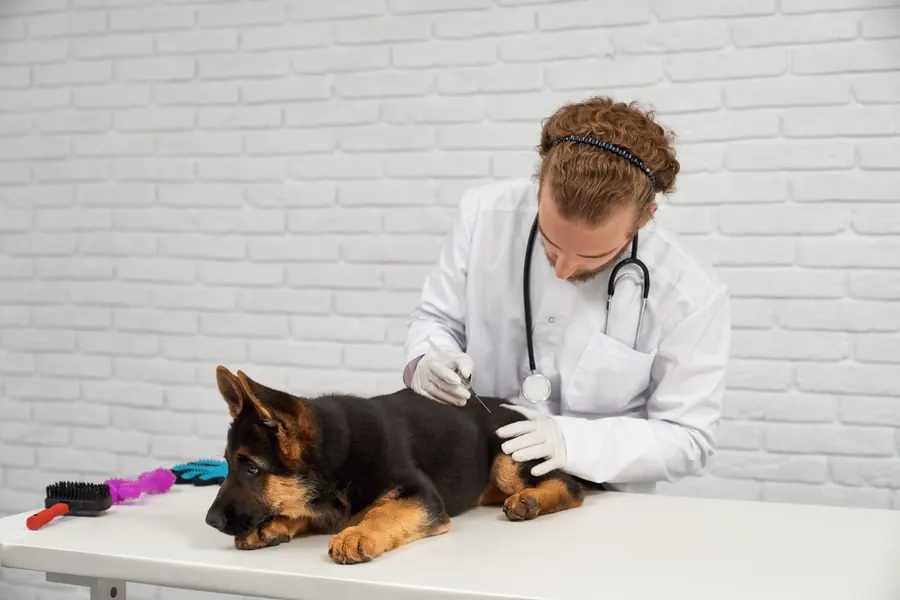
When to see a vet urgently
Difficulty breathing or neurological signs require urgent veterinary assessment. Act quickly if your dog develops:
- Seizures or repeated involuntary muscle twitching.
- Unsteadiness or a clearly uncoordinated gait.
- Limb weakness or paralysis.
- Difficulty breathing or severe illness suggesting pneumonia.
- Profuse vomiting or diarrhoea with a deterioration in general condition.
Tell the practice that you suspect distemper before arriving, so that exposure of other dogs can be avoided. The vet guide can help you find a practice.
Overview
Distemper is caused by a morbillivirus known as CDV. The disease is not limited to puppies. Infection can be mild or almost unnoticed, but can also rapidly become life-threatening.
Distemper is now uncommon in countries with widespread vaccination against it. A large outbreak in a northern European dog population occurred in 1994–1995. The disease still occurs worldwide.
Other animals, including ferrets, foxes and raccoon dogs, can also develop the disease. Distemper does not infect people. Nor is it an infectious disease of domestic cats. The pattern of disease and susceptibility differ between animal species.
Dogs are a major reservoir for the virus in many parts of the world. Vaccination therefore also reduces chains of infection in the wider animal population.
Causes
Infection most often spreads through droplets and aerosols from an infected animal's respiratory secretions. Coughing, sneezing or barking can spread the virus into the immediate surroundings. Direct contact and secretions such as saliva or urine can also transmit infection. Contaminated equipment and surfaces can provide an indirect route of transmission.
The virus initially multiplies in lymphoid tissue in the respiratory tract. It spreads through the blood to other lymphoid tissues and the cells lining different organs. The central nervous system and optic nerves may also become infected. Suppression of the immune system increases susceptibility to concurrent bacterial infections.
The incubation period is usually 1–2 weeks. In some cases, the first symptoms may take up to six weeks to appear. A dog may become infectious days before visible illness.
The virus survives for several hours at room temperature. In cold conditions, at about 0–4 °C, it can survive for weeks. UV light, heat and ordinary disinfectants destroy it.
Risk factors
Young age and a lack of vaccination protection increase the risk of illness. A weakened immune system predisposes a dog to severe disease. A partially protected adult dog may develop a mild infection or show no symptoms.
The disease spreads more easily in dog populations with low vaccination coverage and many animals. In one northern European country, cases have often involved imported dogs with incomplete vaccination protection. Severe immune system dysfunction may also be an underlying factor in an affected dog.
Protection received in colostrum from a vaccinated mother may help a puppy until about 2–3 months of age. However, the same maternal antibodies can interfere with the puppy's own response to vaccination. The period when this protection declines must therefore be considered in the vaccination programme.
Typical symptoms
The disease can combine respiratory, intestinal and neurological signs at different stages. Signs you may notice at home include:
- Fever and marked tiredness or low spirits.
- Nasal discharge and discharge from the eyes.
- Coughing or difficulty breathing associated with pneumonia.
- Reduced appetite and reluctance to eat.
- Vomiting or diarrhoea.
- Thickening and crusting of the nose or paw pads.
- Involuntary muscle twitching, particularly in the face.
- Unsteadiness, circling or other coordination problems.
An initial, temporary fever may appear as early as 3–6 days after infection. You may not notice it. The fever may subside and then return later with other symptoms.
A seizure may involve drooling and repeated chewing movements without food in the mouth. Neurological signs can also develop without previously noticed general symptoms.
Small pustules may rarely appear on the skin. A head tilt can be a neurological sign. Involuntary, repeated back-and-forth eye movements may also be visible.
Complications and consequences
A secondary bacterial infection can worsen respiratory and intestinal signs. Pneumonia may form part of severe systemic infection.
The initial stage does not reliably predict whether neurological signs will develop. They may not begin until weeks or months after the other illness. Progressive damage to myelin, which protects nerve fibres, may underlie these signs.
The acute general illness may last as little as about ten days. Improvement does not mean that the risk of neurological complications has definitely passed.
A recovered dog may be left with muscle twitching or seizures. Some dogs recover completely from respiratory and intestinal signs. The neurological outlook is harder to assess.
A puppy that becomes ill may develop enamel defects in their growing teeth. Excessive keratin build-up on the paw pads and nose may persist after the acute phase.
Severe, progressive neurological signs may reach a point at which treatment no longer helps enough. Euthanasia may need to be considered if symptoms cannot be controlled.
A rare form of chronic distemper encephalitis can also develop in a vaccinated adult dog. It may involve head pressing against objects and compulsive pacing. Dogs with this distinct chronic form do not spread the infection. This does not change isolation advice for an acutely ill dog.
Diagnosis at the vet
Distemper is particularly suspected in an unvaccinated dog with fever and signs affecting several organ systems. Missing vaccination records also increase suspicion.
The clinical signs alone do not always distinguish distemper from other infections. Parvovirus, kennel cough and infectious canine hepatitis, for example, can cause similar signs. Some forms of poisoning can also combine intestinal and neurological signs.
PCR testing looks for the virus's genetic material in a sample. A swab may be taken from a mucous membrane, such as the eye or nose. Blood or urine may also be suitable, depending on the clinical situation.
Recent vaccination can complicate interpretation of a standard PCR result if the test also detects the vaccine virus. Quantitative PCR may help distinguish the two. Vaccination dates are therefore an important part of the history needed for testing.
Antibody testing is used to assess immune protection. A high antibody level together with a negative PCR result suggests that the dog is probably protected.
Blood tests assess the dog's general condition and possible other infections. The blood lymphocyte count may be reduced. Chest X-rays can show changes consistent with pneumonia.
Cerebrospinal fluid may also be examined when necessary in a dog with neurological signs. Its findings are compared with blood results to refine the diagnosis.
Treatment
The vet prescribes treatment according to symptoms, general health and complications. There is no reliably curative, targeted treatment for distemper. Treatment supports the dog's own immune system in overcoming the infection.
Fluid therapy corrects dehydration and electrolyte imbalances. Nutritional support is part of safeguarding recovery. Easily digested, palatable food may make eating easier. If normal feeding is insufficient, other nutritional support may be needed.
Anti-sickness medicines may be used to relieve vomiting and other intestinal signs. Pain and fever are treated according to the vet's judgement. Antimicrobial medication may be needed to control bacterial infections because immunity is weakened.
Anti-seizure medication may be used to try to control neurological signs. However, severe, progressive signs do not always respond to treatment. The vet may consider corticosteroids in some chronic neurological forms.
Antiviral medicines are not recommended as routine treatment for distemper. Promising findings from experimental treatments do not mean that an effective cure is available for every dog.
Careful nursing and supportive treatment continue for as long as symptoms require. Neurological signs may still need monitoring after respiratory and intestinal signs improve.
Prevention
Vaccination is the most effective way to prevent distemper. The distemper vaccine is a core vaccine for all dogs. Sufficient vaccination coverage also protects dogs whose own immunity is incomplete.
International vaccination guidance allows puppy vaccination to begin at about 6–8 weeks of age. Vaccinations are repeated every 2–4 weeks until at least 16 weeks of age. In especially high-risk situations, the course may continue until 20 weeks.
Recommendations for the first booster include both about 26 weeks and one year of age. The earlier booster, at about 26 weeks, shortens the unprotected period for puppies whose maternal antibodies interfered with an earlier vaccine response. Your vet adapts the programme to the product and your dog's circumstances.
Many manufacturers recommend three-yearly boosters for adult dogs' combination vaccines. Only a healthy dog should be brought for vaccination. See dog vaccinations for more information.
While the vaccination course is incomplete, avoid taking a puppy to dog gatherings with a high infection risk. An affected dog is isolated from other dogs. Rooms and equipment are thoroughly cleaned before appropriate disinfection.
Antibodies can be tested from about 20 weeks of age to assess the vaccine response. The sample is taken at least four weeks after the last puppy vaccination. Distemper antibody testing is preferably carried out by a reference laboratory rather than with a rapid test at the practice.
Vaccines containing live viruses are not recommended for pregnant or immunodeficient animals. A breeding bitch's vaccinations are preferably planned before mating.
Important for dog owners
Keep the affected dog's feeding and care equipment separate from that used for other dogs. Wash your hands and change contaminated protective clothing before caring for healthy dogs. Disposable gloves and protective clothing may be used during care.
The virus is often shed for about 1–2 weeks, but some dogs shed it for considerably longer. A usual shedding period of about one month and a range of two weeks to three months are also described. In some dogs, particularly those with neurological signs, shedding can last 6–8 months.
The relationship between PCR detection and actual infectiousness is not fully clear. Do not take your dog to public dog areas until your vet gives permission.
Record appetite, drinking, vomiting, diarrhoea and any muscle twitching or seizures for monitoring. Film unusual movements if you can do so safely, and share the observations with the treating vet. New neurological signs may not appear until the dog's general condition has improved.
Some countries require distemper cases to be reported to the veterinary authorities.
Frequently asked questions
Can an adult or vaccinated dog develop distemper?
An adult dog can also have incomplete protection, and infection may be mild or symptom-free. Appropriate vaccination generally provides good protection. However, severe immune system dysfunction may be associated with illness even in a country where vaccination has made the disease rare.
Can distemper infect people or cats?
Distemper does not infect people or domestic cats. However, several other animals, including ferrets, foxes and raccoon dogs, are susceptible. Equipment contaminated by an affected dog's secretions can transmit infection to other susceptible animals, so cleaning and isolation are necessary.
Can a dog recover without lasting symptoms?
Some dogs recover completely from the general symptoms, but the neurological outlook is less certain. Muscle twitching or seizures may remain as lasting effects of the illness. Recovery usually provides long-lasting immunity against another infection. New neurological signs may also develop weeks after the other illness has improved.
How long is a dog with distemper infectious?
There is no single isolation period suitable for every dog: a usual shedding period of 1–2 weeks is described, but shedding may continue for months. Some dogs with neurological signs can shed the virus for 6–8 months. The vet assesses when meeting other dogs is safe.
Why does a puppy need several vaccinations?
Maternal antibodies help protect a puppy, but can also prevent the vaccine from producing the puppy's own immune response. Antibody testing may help assess vaccination protection. Continuing the course until at least 16 weeks of age improves the chance of protection once maternal antibodies have declined.
Is there an antiviral medicine that cures distemper?
There is no established, targeted curative medicine, and antivirals are not recommended as routine treatment. Care supports fluid balance and nutrition and controls other infections. Vet-prescribed medication can be used for seizures, but severe neurological signs often respond poorly to treatment.
Sources
- Penikkatauti, Ruokavirasto, accessed 2026-11-03.
- Canine Distemper, MSD Veterinary Manual, accessed 2026-11-03.
- Canine distemper virus, Cornell University College of Veterinary Medicine, accessed 2026-11-03.
- Koirien rokotteet, Ruokavirasto, accessed 2026-11-03.
- 2024 guidelines for the vaccination of dogs and cats, World Small Animal Veterinary Association, accessed 2026-11-03.
This information does not replace a visit to a vet. In an emergency, contact your nearest emergency vet: find a vet (RCVS).
More on this topic: General conditions
- Addison's disease in dogs: symptoms, crisis and treatment
- Hypothermia in dogs: signs, first aid and treatment
- Alcohol poisoning in dogs: symptoms and first aid
- Wasp stings in dogs: symptoms, first aid and treatment
- Anaplasmosis in dogs: symptoms, tests and treatment
- Anaemia in dogs: symptoms, causes and treatment