
Dog diseases · General conditions
Vaccine reactions in dogs: symptoms and treatment
A vaccine reaction is an adverse symptom after vaccination, such as soreness at the injection site, tiredness or an allergic reaction. Common mild symptoms usually settle on their own within hours or a couple of days. Facial swelling, difficulty breathing or collapse needs immediate veterinary assessment.
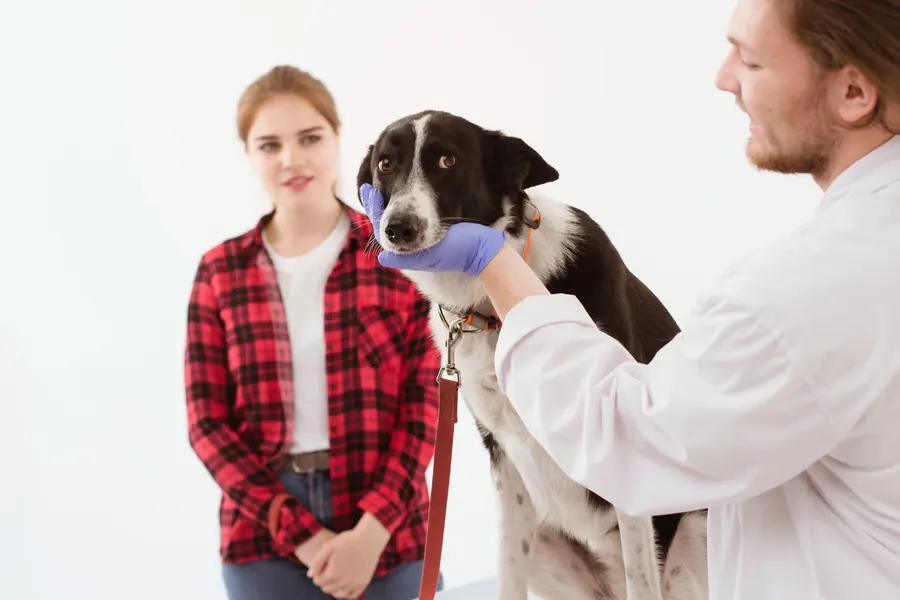
When to see a vet urgently
Seek emergency veterinary care immediately if your dog develops any of the following after vaccination.
- Difficulty breathing or persistent, severe coughing.
- Swelling of the muzzle, eyelids or another part of the face.
- Fainting, collapse or inability to stay on its feet.
- Sudden red, itchy raised patches on the skin, known as hives.
- Vomiting or diarrhoea that persists or recurs after vaccination.
You can find a vet near you to arrange care.
Overview
A vaccine reaction may be confined to the injection site or affect your dog's overall wellbeing. Hives and anaphylaxis are less common than ordinary local and general symptoms. Anaphylaxis is a severe allergic reaction affecting the whole body that can lead to life-threatening shock.
In the United States, 38 adverse events per 10,000 vaccinated dogs were recorded within the first 3 days, including very mild reactions.
However, adverse events are under-reported, so recorded cases do not include every reaction. Overall, the benefits of vaccination in preventing infectious diseases outweigh the risks of adverse effects.
In a Japanese study, 83.3% of identified adverse events after vaccination were detected within the first 12 hours. Symptoms of every anaphylactic reaction identified in that study began within 60 minutes. Of those anaphylactic reactions, 46.3% began within just 5 minutes.
A Japanese study of combination vaccines identified adverse events after vaccination in 359 dogs. These included 41 cases of anaphylaxis. Vaccination data for the study came from 573 veterinary practices.
Causes
Inflammation and allergy are different reactions
Symptoms at the injection site may be caused by an adjuvant, which boosts the vaccine's effect, a preservative or an inactivating agent used in manufacture. Local symptoms occur more often after inactivated vaccines, which contain killed pathogens. An adjuvant containing aluminium salts may cause a firmer lump. Pain during injection may relate, for example, to the product's acidity or cold temperature.
In an immediate allergic reaction, antibodies trigger mast cells to release inflammatory mediators. These mediators include histamine. They alter blood vessel permeability and constriction, explaining some of the swelling and circulatory disturbance. An allergy may also be directed against residual substances from manufacture that are present in several different vaccines.
Vaccine allergy may also involve proteins derived from eggs or cell cultures in the vaccine. In a later immune complex reaction, deposits formed by antibodies and foreign substances may cause marked local inflammation. Delayed cell-mediated hypersensitivity can instead cause a granuloma, a lump made up of inflammatory cells, at the injection site.
Risk factors
Small dogs are more susceptible to adverse effects after vaccination than large dogs. Dogs weighing less than 5 kg that receive several vaccines at the same visit are particularly at risk. Breed also affects the likelihood of acute adverse events independently of body weight. A previous severe reaction to the same vaccine is a reason to assess carefully whether to give it again.
A vaccine containing live pathogens may cause illness in an immunocompromised dog. These live vaccines are not usually recommended for pregnant dogs.
Hypersensitivity reactions are more often associated with repeated antigen exposure than a single exposure. They are therefore seen particularly with repeated use of inactivated vaccines.
Typical symptoms
Common local and general symptoms may appear at home as follows.
- The injection site is red, warm or sore to touch.
- A small, firm lump appears in or under the skin.
- Your dog moves and plays less than usual and seems tired.
- Your dog has less appetite or misses a meal.
- Body temperature rises slightly and your dog is quieter than usual.
- Your dog has temporary restlessness, vomiting or diarrhoea.
Non-specific general symptoms may develop within 24–72 hours of vaccination. After an intranasal vaccine, a runny nose, sneezing or coughing may last 2–4 days. An immediate severe allergy usually begins within minutes, but can occur up to three hours later.
During a severe allergic reaction, your dog may also drool, be restless or have abdominal pain. Hives may occur without any other noticeable general symptoms. Allergic facial swelling may affect the lips and the conjunctiva, the membranes lining the eyes.
Complications and consequences
In canine anaphylaxis, the liver and intestinal circulation are key targets. Digestive symptoms may therefore be more prominent than breathing problems. A severe reaction can progress to shock, altered consciousness, seizures or death.
Ordinary swelling at the injection site is often greatest at about 48 hours. Local changes usually disappear within a few weeks. Injection equipment contaminated with bacteria can cause an abscess at the injection site. With delayed hypersensitivity, skin symptoms may not appear until 8–21 days later.
A very itchy dog may damage its skin by scratching, so that broken skin obscures the original hives. Besides local inflammation, a delayed immune complex reaction may cause more widespread blood vessel damage, such as purpura, or bleeding into the skin.
Diagnosis at the vet
Breathing and circulation are assessed first
Examination of a dog with severe symptoms begins with assessment of airway patency and breathing. The vet assesses circulation by listening to the heart and checking heart rate, pulse, mucous membrane colour and blood pressure. Body temperature and level of consciousness also help identify poor circulation. Blood lactate levels can help monitor recovery from shock and response to treatment.
Assessing the cause of symptoms and vaccine protection
The timing of symptoms in relation to vaccination is central to assessing a possible causal link. The vet also considers whether another illness or event occurring at the same time could explain them. For example, it can be difficult to distinguish a vaccine reaction from a viral infection starting at the same time. A clear local reaction precisely at the vaccination site supports a link to the vaccine.
The history and a thorough clinical examination help establish what caused the dog's shock. Listening to the heart and lungs helps assess alternatives such as heart failure as a cause of poor circulation. If a dog develops an infectious disease soon after vaccination, the disease may already have been incubating when the vaccine was given. The sequence of events alone therefore does not always establish what caused the illness.
A puppy's vaccine protection may fail because antibodies from its mother interfere with its own response to vaccination. Blood testing can detect antibodies against distemper virus, parvovirus and adenovirus. Antibodies against these viruses in a vaccinated adult generally indicate protection against the corresponding diseases.
Treatment
Mild symptoms and severe allergy need different treatment
A mild vaccine reaction often settles without specific treatment. If your dog is clearly painful or feverish, the vet may prescribe medicine to relieve symptoms. Adrenaline is the key emergency medicine for anaphylaxis. Intravenous fluids are used to treat shock when needed. A dog with breathing difficulties may need supplemental oxygen. Severe reactions also require support for blood pressure and breathing.
The vet may use a corticosteroid as an additional treatment, depending on the circumstances. During treatment for shock, circulation is monitored using measures such as blood pressure, pulse and mucous membrane colour. If fluids do not restore blood pressure sufficiently, medicines to support circulation may be needed in hospital. An injection-site lesion that has developed into an abscess may need surgery.
Future vaccination needs an individual plan
After previous anaphylaxis, the benefits and risks of further vaccination are weighed up before proceeding. Changing to a different product may help, but evidence of benefit is limited. Antibody testing can assess protection against distemper, parvovirus and adenovirus in an already vaccinated adult. Whether antibody testing can replace rabies vaccination depends on the relevant official requirements.
For a dog that has previously reacted, the vet may consider an antihistamine or an anti-inflammatory corticosteroid for the next vaccination visit. This premedication is not expected to prevent the vaccine from producing an immune response. Changing the route of vaccination may sometimes be an option if the previous reaction involved an injectable kennel cough vaccine.
An appropriately administered live core vaccine against distemper, parvovirus and adenovirus can provide protection for at least 3–4 years.
Prevention
Vaccination should take place when your dog is well: a feverish infection is a contraindication. Some national guidance advises against giving vaccines simultaneously when a dog has a previously identified or suspected risk of vaccine reactions. Vaccination needs are assessed according to the dog's age, lifestyle, environment and travel. A new vaccine's quality, safety and efficacy are assessed before it receives a marketing authorisation. Very rare adverse effects may still emerge only after widespread use.
The vaccination date, product, batch number and administration site belong in your dog's permanent medical records. An adverse reaction should be recorded so that it is also noticed at future visits. Choosing the vaccines your dog needs is part of regular health assessment throughout its life.
Suspected lack of vaccine efficacy is a reportable adverse event, as are other unexpected adverse effects. Freezing during storage can reduce a vaccine's efficacy, highlighting the importance of proper refrigerated storage.
Important for dog owners
Record when symptoms started, how they progressed and any previous vaccine reactions. Bring vaccination records and any photographs of swelling to the appointment. Ask for the reaction to be entered in your dog's medical records for the next vaccination visit.
An adverse event report needs the vaccine and batch details and a description of the animal and the reaction.
In some countries, suspected vaccine adverse effects are reported to the national medicines authority. A suspected link to vaccination is enough to make a report. Contact your vet if mild general symptoms last more than 24 hours or your dog is clearly uncomfortable. Injection-site swelling that grows, becomes painful or persists for more than 3 weeks needs examination.
Read more about the purpose of vaccination in the dog vaccination guide.
Adverse event reports help identify rare problems that did not emerge in studies before marketing authorisation. Some national reporting systems record reports in an adverse effects register and assess their connection with the vaccine.
Keep a written description of the reaction and the treatment your dog needed. Plan the next vaccination visit with your vet in advance so that the previous event is taken into account. Also record how long the injection-site lump remained and whether it began to shrink while you monitored it.
Under some national reporting systems, the reporting vet receives an assessment of the causal link between the vaccine and the symptoms.
Frequently asked questions
How long does a vaccine reaction last?
A mild general reaction usually settles within a few hours or a couple of days. Swelling at the injection site, however, may take weeks to disappear. Tell your vet about general symptoms lasting more than 24 hours or obvious pain.
Can a severe reaction start after we get home?
Yes: an immediate allergic reaction may begin within minutes or up to three hours after vaccination. Facial swelling, difficulty breathing, collapse or persistent vomiting needs immediate veterinary care. In canine anaphylaxis, digestive symptoms may be more prominent than breathing problems.
Is a lump after vaccination dangerous?
A small, firm lump at the injection site may be a local granuloma, an inflammatory nodule. It should start to shrink and disappear in about 14 days. If the lump grows, becomes painful or remains for more than 3 weeks, a vet must examine it.
Can my dog be vaccinated again after a reaction?
The decision depends on the severity of the previous reaction and the risk of infectious disease. Changing the product may help, but strong evidence of benefit is lacking. In some adults that have already been appropriately vaccinated, antibody testing helps assess the need for revaccination.
How should I monitor my dog after vaccination?
After a routine vaccination visit, watch your dog for about 15 minutes for immediate reactions. If a severe reaction is a concern, you can wait at the practice for 30–60 minutes. An animal with previous hypersensitivity that is vaccinated again is monitored closely for up to 24 hours.
Sources
- Rokotusten haittavaikutukset, Ruokavirasto, accessed 2026-11-05.
- 2024 guidelines for the vaccination of dogs and cats, WSAVA, accessed 2026-11-05.
- Hypersensitivity Diseases in Animals, Merck Veterinary Manual, accessed 2026-11-05.
- Care for Your Pet After Vaccination, VCA Animal Hospitals, accessed 2026-11-05.
- Rokottamisen vasta-aiheet, Ruokavirasto, accessed 2026-11-05.
- Koirien rokotteet, Ruokavirasto, accessed 2026-11-05.
- Initial Triage and Resuscitation of Small Animal Emergency Patients, Merck Veterinary Manual, accessed 2026-11-05.
- Wytyczne szczepien psow i kotow (2016), WSAVA, accessed 2026-11-05.
- Vaccine Failure and Other Adverse Events in Animals, Merck Veterinary Manual, accessed 2026-11-05.
This information does not replace a visit to a vet. In an emergency, contact your nearest emergency vet: find a vet (RCVS).
More on this topic: General conditions
- Addison's disease in dogs: symptoms, crisis and treatment
- Hypothermia in dogs: signs, first aid and treatment
- Alcohol poisoning in dogs: symptoms and first aid
- Wasp stings in dogs: symptoms, first aid and treatment
- Anaplasmosis in dogs: symptoms, tests and treatment
- Anaemia in dogs: symptoms, causes and treatment