Contents
- What happened
- The day of the attack
- Ear lobe almost lost
- A scar and fear
- A good recovery
- What the owners were accused of
- Liability admitted
- Why €60,000
- The liability law
- Liability insurance
- Why children are hurt more often
- Young dogs and herding breeds
- How to raise a young dog
- A green is not a place to roam free
- How to teach children
- The signals a dog gives
- Dogs on housing estates
- Rules for dogs in Ireland
- Risk of infection after a bite
- If a child is bitten by a dog
- Psychological support
- What a dog owner should do
- Time and the courts
- What this means for Europe
- When to see a vet
What happened
On 6 November 2026 Ireland's High Court approved a settlement in a case brought on behalf of a girl from Portlaoise, County Laois. Five years ago she was attacked by a neighbour's dog. Her family will receive €60,000. The dog's owners admitted liability, so the court only had to consider the amount of compensation. The case was reported by The Irish Times.
The day of the attack
It happened on 7 November 2021. The five-year-old girl was playing with friends on the green of the housing estate near her home. A young sheepdog suddenly jumped at her without any provocation and bit her right ear. According to the claim, the dog also bit the child's arm.
Ear lobe almost lost
The family's barrister told the court that the bite left a laceration through the lower part of the ear and almost completely detached the lobe. The girl was first taken to the regional hospital in Portlaoise and then transferred to a hospital in Dublin. There she had surgery under general anaesthetic: the wound was cleaned and stitched.
A scar and fear
A plastic surgeon later recorded a two-centimetre wound in the area of the ear lobe. The physical injury was not the only consequence. According to her barrister, the girl had post-traumatic stress disorder for six months, and she was left with a fear of dogs after the attack. For a five-year-old that is a very hard experience.
The Irish Times; 6 November 2026
A good recovery
The girl has now made a good recovery. Her barrister told the court that the family now has a dog of its own. It is an unexpected but encouraging detail: the fear of dogs that children often keep after a bite can be overcome if they get support and learn how to be around animals safely.
What the owners were accused of
The claim was brought through the girl's mother against the dog's owners, who lived on the same estate. It said the attack was unprovoked and that the owners had failed to take reasonable care to protect the child. They were also accused of failing to have a proper system of control, restraint and supervision of the dog.
Liability admitted
The dog's owners admitted liability. So there was no dispute about who was at fault: the court only assessed the amount of compensation. Mr Justice Paul Coffey approved the settlement and wished the girl well. He noted that it had been a huge trauma for a small child and that she had coped well.
Why €60,000
In Ireland, personal injury compensation is assessed under specific guidelines that take into account the severity of the injury, the treatment, scarring and the psychological effects. In this case the court heard about the surgery, the scar and months of post-traumatic stress, the kind of circumstances that usually determine the amount. For dog owners, it is a reminder of the real cost of a single bite.
The liability law
In Ireland a dog owner is liable for injury their dog causes to a person, even if the dog had never shown any aggression before. There is no need to prove that the owner knew the dog was likely to bite. So in cases like this the main question is usually not whether the owner is at fault, but how much they have to pay.
Liability insurance
In many European countries dog owners take out third-party liability insurance. It covers compensation for victims if the dog bites someone or damages other people's property. In some countries and regions it is compulsory for all dogs or for certain breeds. In Ireland and the UK many home insurance policies include liability for pets, and specialist dog insurance can cover it too.
Why children are hurt more often
Children are the most common victims of dog bites. Because they are smaller, bites more often land on the face, head and neck. Children run, shout, hug dogs and do not always understand an animal's warning signals. A dog may see a child's game as a threat or as an invitation to chase.
Young dogs and herding breeds
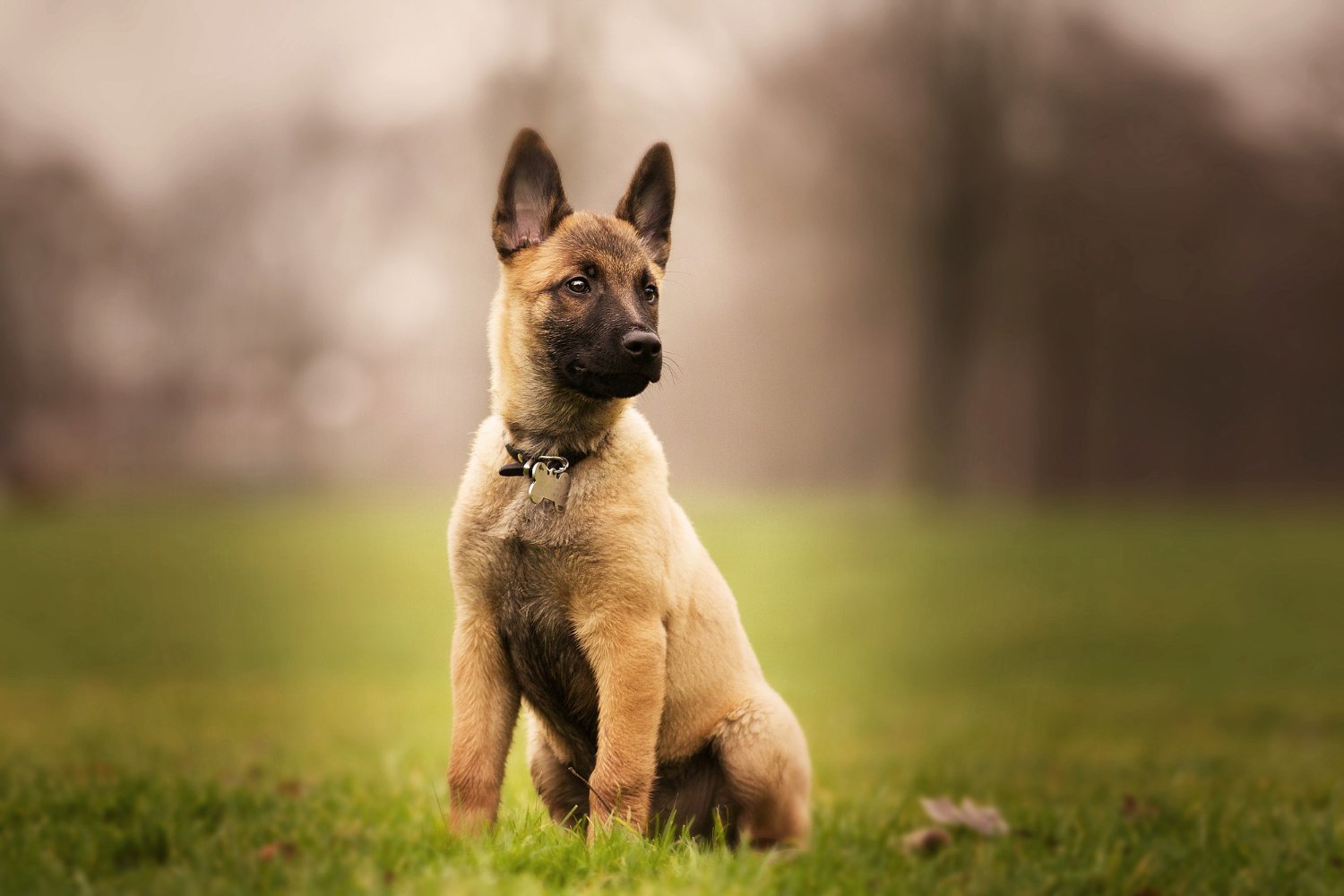
Young dogs can be impulsive: they lack experience and self-control. Herding breeds such as border collies and other sheepdogs have a strong instinct to control movement, so they may chase running children and nip them as they would sheep. This is not malice but instinct, yet without training and control it can end in injury.
How to raise a young dog
Owners of young dogs should pay particular attention to socialisation and training:
- Introduce your puppy to children, noise and different situations under control.
- Teach recall, “stop” and “leave it” before letting the dog off the lead.
- Do not leave the dog unsupervised where children are playing.
- See a behaviourist or trainer if your dog grabs people's clothes or hands.
- Give herding dogs enough physical and mental exercise.
A green is not a place to roam free
Housing estates with shared greens are places where an off-lead dog can quickly end up next to children at play. Even if the dog is friendly, its behaviour in an unfamiliar situation is hard to predict. So in such places it is better to keep the dog on a lead and not to let it out alone.
How to teach children
Parents can lower the risk by teaching children a few simple rules:
- Do not approach a dog you do not know without the owner's permission.
- Do not touch a dog that is eating, sleeping or chewing a toy.
- Do not run away from a dog or scream.
- If a dog jumps up, stand still like a tree and cover your face with your hands.
- Tell an adult straight away if a dog has frightened or bitten you.
The signals a dog gives
A dog almost always gives a warning before it bites. It turns its head away, licks its lips, yawns, flattens its ears, tucks its tail, freezes, shows the whites of its eyes or growls. Adults often miss these signals, and children even more so. Learning to read them can prevent many bites: it is enough to move the child or the dog away in time.
Dogs on housing estates
On housing estates and shared greens, dogs and children meet all the time. Many neighbourhoods in Europe have rules: dogs are walked only on a lead and are banned from playgrounds. This is not an attack on owners' rights but a way to avoid conflict. Neighbours are more relaxed about dogs when they see that owners have them under control.
Rules for dogs in Ireland
Ireland has been tightening control of dogs in recent years. Dogs must be microchipped and registered, and an annual dog licence is required. Dogs of certain breeds are subject to special rules: a lead, a muzzle and being walked only by an adult. The authorities are also discussing stricter measures against irresponsible owners. But, as this case shows, a dog of any breed can bite.
Risk of infection after a bite
A dog's mouth contains many bacteria, and even a small bite can become infected. Deep puncture wounds and bites to the hands are especially risky. A doctor will decide whether antibiotics, a tetanus jab and monitoring are needed. In countries where rabies occurs, the risk is always assessed and vaccination given if needed.
If a child is bitten by a dog
Wash the wound under running water with soap for several minutes, stop the bleeding with a clean dressing and see a doctor. Dog bites often become infected, and wounds on the face and hands may need stitches and a plastic surgeon. If the bite is serious, call 999; otherwise contact your GP or NHS 111. Note the owner's contact details.
Psychological support
After a bite a child may have nightmares, be afraid to go outside or feel anxious at the sight of any dog. Do not expect it all to pass on its own. A child psychologist can help with the fear. Gradual, safe contact with calm dogs under adult supervision also helps, as the story of the girl from Portlaoise shows.
What a dog owner should do
If your dog has bitten someone, do not run away or deny it. Give help, leave your contact details and your dog's vaccination information. Tell your insurer. Take the dog to a vet and a behaviourist to understand the cause of the aggression. Behaving honestly helps settle the matter peacefully, as happened in Ireland.
Time and the courts
Almost exactly five years passed between the attack and the approval of the settlement. Injury claims for children often take a long time: the long-term effects need to become clear and reports from doctors and psychologists obtained. When a child is involved, the court must review and approve any settlement to protect the interests of the minor.
What this means for Europe
In every European country dog owners are responsible for their pets' behaviour, though the rules differ. In the UK, for example, owners can face both civil claims and criminal charges if a dog is dangerously out of control. The Irish case shows that one bite can cost tens of thousands of euros and years in court. A lead on shared greens, training a young dog and liability insurance protect both children and owners.
When to see a vet
If your dog has bitten a person, take it to a vet: they will check its vaccinations, rule out pain or illness that might have caused the aggression and, if needed, refer you to a behaviour specialist. See a vet and a trainer if your young dog often grabs people with its teeth, growls at children or guards its food and toys.
Sources
- The Irish Times, 6 November 2026