Contents
- What happened
- Who is at risk
- “Completely overlooked”
- The story of the return
- Eagles in southern England
- The plan for Gwent
- An eagle over Skomer
- The worst decline among birds
- The islands' defenders
- Disturbance and displacement
- The supporters' arguments
- What eagles eat
- Seven to nine pairs in ten years
- The Scandinavian experience
- Why colonies are so vulnerable
- Bird flu struck first
- Can a balance be found
- How released birds are tracked
- Puffins, a symbol of the coast
- Illegal killing of eagles
- Dogs and seabirds
- How to behave near colonies
- If you find an injured bird
- What this means for Europe
- When to see a vet
What happened
On 8 November 2026 The Guardian reported on a dispute that is dividing conservationists. The return of the white-tailed eagle has been called one of the great successes of British conservation in recent decades. But new plans to release eagles in south Wales have alarmed some scientists, who fear the predators will destroy seabird colonies.
Who is at risk
Some scientists and conservationists believe that if many eagles are released, the breeding populations of several seabird species could collapse. They include puffins, guillemots, razorbills, fulmars and kittiwakes. These birds nest in large colonies on cliffs and islands, where they are especially vulnerable to a large predator.
“Completely overlooked”
“Amid all the excitement and enthusiasm for the return of the eagles, the fact that these birds are likely to destroy our seabird colonies has been completely overlooked,” said Tim Birkhead, emeritus professor of ecology and evolution at the University of Sheffield. He is one of Britain's best-known seabird experts.
The story of the return
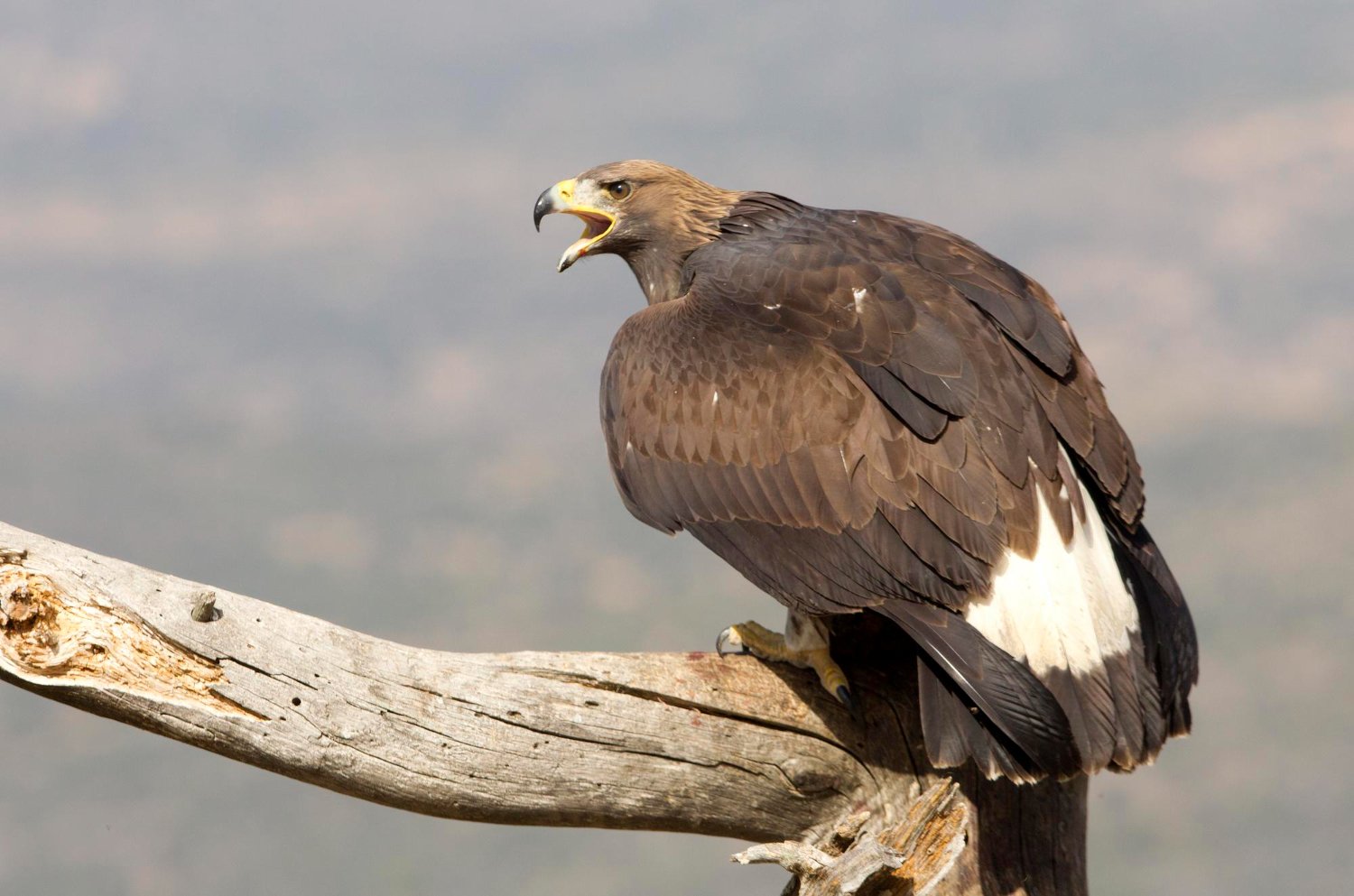
The white-tailed eagle is Britain's largest bird of prey, with a wingspan of almost two and a half metres. By 1918 it had been wiped out entirely. From 1975 chicks were brought to Scotland from Norway, and there are now around 200 breeding pairs there. One of the main centres of the Scottish population is the Isle of Mull.
The Guardian; 8 November 2026
Eagles in southern England
Since 2019, 45 eagles have been released on the Isle of Wight. Despite repeated cases of illegal killing, in 2023 a wild chick born in England fledged from a nest in East Sussex for the first time. Another 20 young birds are now being released on Exmoor over the next three years. There are no eagles in Wales yet.
The plan for Gwent
Now there is a proposal to release up to 60 eagles in Gwent in south Wales. The project is led by the Wildfowl & Wetlands Trust (WWT) and backed by Gwent Wildlife Trust. But the Wildlife Trust of South and West Wales, which manages the famous seabird islands, is opposed.
An eagle over Skomer
The concern grew after an incident last month. An eagle from the Exmoor release was spotted over Skomer, off the Welsh coast. It is a famous seabird reserve where David Attenborough filmed puffins and shearwaters for the series Wild Isles. For the island's defenders it was a signal that eagles are already reaching the colonies.
The worst decline among birds
British seabirds are already going through hard times. Over the past five years their populations have fallen by a fifth, more than any other group of birds. Seabirds in south Wales are still doing relatively well, which is precisely why conservationists are afraid to put them at risk.
The islands' defenders
Sarah Kessell, chief executive of the Wildlife Trust of South and West Wales, says the organisation is increasingly concerned as more evidence emerges about the impact of eagles on cliff-nesting birds. “Skomer and Skokholm islands are a refuge for globally important seabird populations that are already under threat,” she said.
Disturbance and displacement
According to Kessell, the extra pressure of disturbance and displacement by eagles could seriously affect nesting birds. It is not only about an eagle catching a bird. When a large predator circles over a colony, the birds take off and leave their nests, giving gulls and crows the chance to steal eggs and chicks.
The supporters' arguments
Professor Geoff Hilton, head of wetland science at WWT, acknowledges that all conservation work involves risk. “The key is to assess those risks carefully in advance, investigate their scale on the basis of robust evidence and weigh them against the opportunities,” he says.
What eagles eat
Hilton stresses that eagles are generalists. They eat carrion, fish, small mammals and birds. A 2020 study east of the Baltic Sea found that birds of particular conservation concern in the EU made up about 1% of the identified prey of eagles over many years of observation.
Seven to nine pairs in ten years
According to Hilton, a phased release in Gwent aims to establish seven to nine breeding pairs within ten years. “So we do not expect this release to significantly reduce or affect the population of any single species,” he says. Supporters believe the benefits of bringing the eagle back outweigh the risks.
The Scandinavian experience
Eagles and seabirds have lived side by side for centuries in Norway, Sweden and Finland. Eagles are numerous there, and in some colonies their presence does change the birds' behaviour. On the Swedish island of Stora Karlsö in the Baltic, scientists have described how eagles disturb a large guillemot colony. Both sides of the British debate draw on this experience.
Why colonies are so vulnerable
Seabirds lay few eggs and usually raise one or two chicks a year. Many species only start breeding after several years. So losses are made up slowly. If a predator disturbs a colony for several seasons in a row, the birds may abandon it altogether, and getting them back would be very difficult.
Bird flu struck first
British seabirds were hit hard by highly pathogenic avian influenza in 2021–2023. The virus killed thousands of gannets, skuas, terns and other birds. The colonies have not yet recovered, and any new source of stress is especially dangerous for them. That is another argument used by opponents of a rapid eagle release.
Can a balance be found
Some conservationists believe a balance can be struck. For example, eagles could be released further from large colonies, tracked with GPS tags, and plans revised if the data show problems. The main thing is not to turn the debate into a war between fans of predators and fans of seabirds.
How released birds are tracked
Before release, young eagles are fitted with light GPS tags. These let scientists see where the birds fly, where they feed and where they choose to nest. It was thanks to such data that we know the Exmoor eagle visited Skomer. In future the data will help assess the real impact of eagles on the colonies.
Puffins, a symbol of the coast
Puffins, with their bright beaks, are among Britain's best-loved birds and an important part of coastal tourism. Thousands of people visit islands such as Skomer every year to see them. So the eagle debate is not only about ecology but also about local economies that depend on seabirds.
Illegal killing of eagles
A separate problem is the illegal killing of eagles. Birds are poisoned, shot and trapped, partly because of farmers' fears for their lambs. Each such loss undermines the project. Police and conservation organisations investigate these cases, but proving guilt can be difficult.
Dogs and seabirds
There is a lesson here for dog owners who walk on the coast. Off-lead dogs near cliffs and on beaches also disturb seabirds and can destroy the nests of ground-nesting birds. During the breeding season, roughly from April to August, many coasts in Britain and Europe ask owners to keep dogs on a lead.
How to behave near colonies
A few simple rules help avoid harming the birds:
- Keep your dog on a lead near colonies and on beaches with nests.
- Do not go near the edge of cliffs where birds are nesting.
- Do not fly drones near colonies.
- Respect seasonal restrictions on visiting islands and beaches.
- Report dead seabirds to the local authorities.
If you find an injured bird
If you find an injured eagle, puffin or other seabird, do not try to treat it yourself. Call a local wildlife rescue centre, the RSPCA or a vet. Large birds of prey are dangerous: they have sharp talons and beaks. Do not touch dead birds with bare hands, as they may need to be tested for bird flu; dead wild birds can be reported to Defra.
What this means for Europe
The return of large predators is a Europe-wide trend: eagles, wolves, lynx and bears are coming back to places where they were wiped out. The British debate shows that every comeback has a price and that decisions must be based on evidence. The experience of Scandinavia and Britain will help other countries find a balance between predators and their prey.
When to see a vet
If your dog picks up a dead or sick bird on the coast, take it away, wash the dog's mouth and paws, and take it to a vet if it vomits, becomes lethargic or has diarrhoea. Get help urgently if your dog has been injured by a large bird: wounds from talons and beaks are deep and often become infected. Hand any injured wild bird you find to a vet or a rescue centre.
Sources
- The Guardian, 8 November 2026