Which pets are at risk?
- Puppies and kittens, whose immune systems are still developing.
- Unvaccinated pets and pets from rescue centres, kennels and catteries.
- Cats that have had cat flu, because the virus can flare up again.
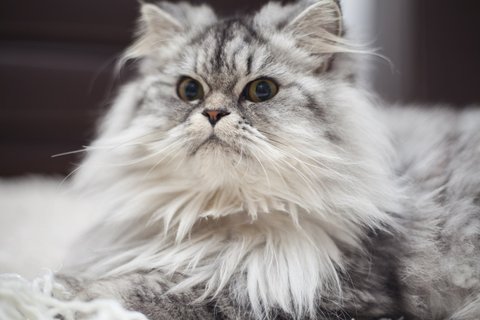
- Flat-faced breeds, such as Pugs, French Bulldogs and Persians, whose airways are narrower.
- Breeds prone to allergies, such as West Highland White Terriers, Labradors, French Bulldogs and Boxers.
- Older pets and pets with other illnesses.
Respiratory infections ("colds")
In cats
Cat flu is caused mainly by feline herpesvirus and calicivirus, often with bacteria. Signs:
- sneezing, runny nose and eyes;
- red eyes, squinting;
- mouth ulcers, drooling;
- fever, lethargy and loss of appetite (cats often stop eating because they cannot smell food).
In dogs
Kennel cough spreads where dogs mix. Signs:
- a harsh, honking cough, often followed by retching;
- sometimes a runny nose;
- most dogs remain bright and eat normally.
Typical features of infections
- often start suddenly;
- may affect several pets in the household or dogs from the same kennel or class;
- may come with fever and reduced appetite;
- discharge often becomes thick, yellow or green.
Allergies
How allergies usually show
In both cats and dogs, the most common sign of allergy is itchy skin:
- scratching, licking and chewing, especially the paws, face, ears, armpits and belly;
- red skin, rashes, hair loss;
- recurrent ear infections;
- in cats, over-grooming, bald patches and scabs.
Common triggers in the UK
- Fleas: flea allergy is the most common allergy in pets.
- Environmental allergens: house dust mites, pollen (grass, trees, weeds), moulds.
- Food: proteins such as chicken, beef or dairy are more common triggers than grains.
- Irritants: cigarette smoke, air fresheners, perfumes, cleaning sprays, dusty cat litter.
Respiratory signs of allergy
Less commonly, allergies cause:
- sneezing and clear nasal discharge;
- watery eyes;
- in cats, coughing and wheezing from feline asthma, which can be triggered by allergens and irritants.
Typical features of allergies
- often recurrent or seasonal, for example worse in spring and summer for pollen allergy;
- discharge usually clear;
- no fever, and normal appetite;
- itching is very common.
Other causes to consider
- Foreign bodies, such as grass seeds in the nose, causing sudden violent sneezing, often from one nostril.
- Dental disease affecting the upper teeth and nose.
- Nasal polyps and tumours, especially in older pets with discharge from one side or nosebleeds.
- Heart disease causing coughing in dogs.
- Lungworm in dogs.
Home care for mild cases
For an adult pet that is bright and eating:
- Keep it warm and quiet, and let it rest.
- Clean eye and nose discharge gently with cotton wool and cooled boiled water.
- Steam can help congested pets: let them sit in the bathroom while you run a hot shower (not in the shower).
- For cats, warm strong-smelling wet food to encourage eating.
- Keep sick pets away from other animals, and avoid dog classes and kennels until your vet says it is safe.
- Use a harness rather than a collar for coughing dogs.
- Reduce irritants: no smoking near pets, avoid aerosols, use dust-free litter.
Do not give human cold remedies or antihistamines without your vet's advice. Some contain paracetamol, decongestants or other ingredients that are toxic to pets.
How the vet helps
Depending on the signs, your vet may:
- examine the nose, throat, eyes, chest and skin;
- take swabs to identify viruses or bacteria;
- prescribe anti-inflammatories, eye treatments, antibiotics for secondary infections or medication for cough;
- recommend strict flea control, a food elimination trial or allergy testing;
- prescribe modern anti-itch medications or immunotherapy for environmental allergies;
- investigate further with X-rays or a nasal examination if signs persist.
Prevention
- Keep vaccinations up to date, including kennel cough if your dog mixes with other dogs.
- Use effective flea control for all pets in the home.
- Vacuum regularly and wash bedding weekly to reduce dust mites.
- Wipe paws and coat after walks in pollen season.
- Feed a complete, balanced diet.
- Reduce stress for cats prone to cat flu flare-ups.
When to see a vet
Go to a vet immediately if your pet:
- is breathing with difficulty, with its mouth open (cats) or very fast;
- has blue or grey gums;
- is a puppy or kitten with nasal discharge that has stopped eating.
See a vet within a day or two if:
- your cat has not eaten for 24 hours or has mouth ulcers;
- discharge is thick, yellow or green, or comes with a fever;
- your pet's eyes are painful, cloudy or closed;
- a cough lasts more than a few days or keeps getting worse;
- there is a nosebleed or discharge from one nostril only;
- itching is persistent or causing sores.
Frequently asked questions
Can cats and dogs catch colds from people?
Generally no. The viruses that cause colds in people are different from those that cause cat flu and kennel cough.
My dog sneezes a lot but is otherwise fine. Is it an allergy?
Occasional sneezing is normal. Frequent sneezing can be caused by allergies, irritants or something in the nose. Sudden, violent sneezing after a walk may be a grass seed and needs a vet check.
Why is my cat coughing?
Coughing in cats is often caused by feline asthma, which needs treatment. It can also be caused by lungworm, heart disease or infections. Film an episode and see your vet.
Can I use antihistamines for my pet's allergy?
Some antihistamines are used in pets, but they often help less than in people, and the dose must be correct. Your vet can recommend safe, effective options.
How long does kennel cough last?
Most dogs improve within one to three weeks. See your vet if your dog is off its food, lethargic or has difficulty breathing, as pneumonia can develop.
Paw4care editorial team
Sources
- Allergies in pets, PDSA, accessed 2026-11-15.
- Cat flu, PDSA, accessed 2026-11-15.