
Veterinary care in the UK · Law and rules
Fireworks and pets in the UK: the rules, the season and how to keep your pet calm
For many pets, fireworks are the most frightening time of the year. Sudden bangs, whistles and flashes can cause panic, and frightened animals may hide, tremble, bark, try to escape or injure themselves. In the UK, fireworks are concentrated around Bonfire Night, Diwali, New Year's Eve and Chinese New Year, but they can be set off at other times too. This guide explains the law on fireworks in the UK, when to expect them and how to prepare your dog, cat or small pet, using advice from veterinary charities.
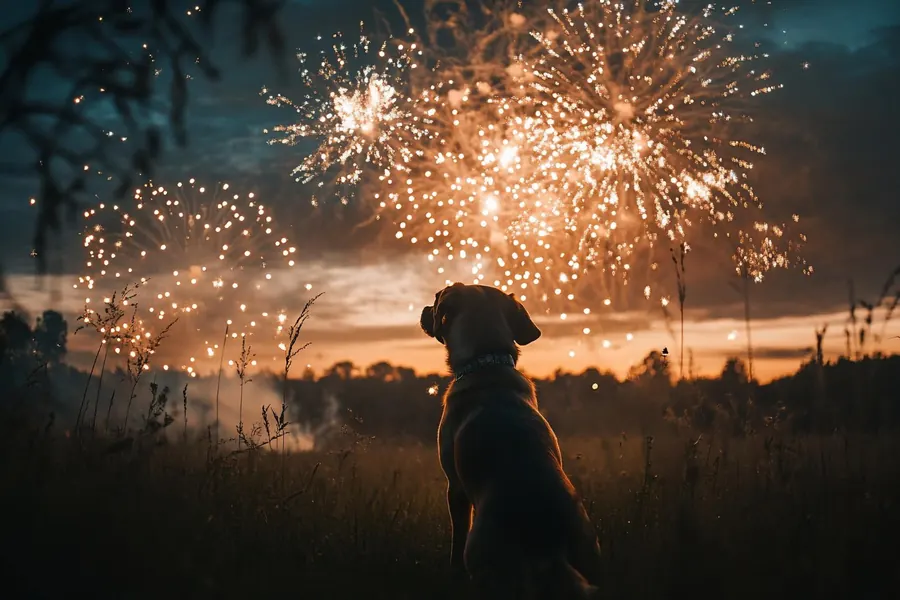
Fireworks are most common around Bonfire Night, Diwali, New Year and Chinese New Year.
The law on fireworks
According to GOV.UK:

- It is against the law for anyone to set off fireworks between 11pm and 7am, except on certain occasions:
- Bonfire Night, when the cut-off is midnight;
- New Year's Eve, Diwali and Chinese New Year, when the cut-off is 1am.
- You must not set off or throw fireworks, including sparklers, in the street or other public places.
- You cannot buy "adult" fireworks (categories 2 and 3) if you are under 18. Category 4 fireworks can only be used by professionals.
- Registered sellers can sell fireworks for private use only from 15 October to 10 November, from 26 to 31 December and for 3 days before Diwali and Chinese New Year. At other times, fireworks can only be bought from licensed shops.
- Selling or using fireworks illegally can lead to an unlimited fine and up to 6 months in prison. You could also get an on-the-spot fine of £90.
Your council may also have local rules for setting off fireworks. If fireworks are being used illegally, for example late at night outside the permitted times, you can report it to your council or the police.
When to expect fireworks
The sale periods give a good guide to when fireworks are most likely: from mid-October to around 10 November, between Christmas and New Year, and around Diwali and Chinese New Year. Check local event listings for organised displays near you, and talk to your neighbours: many people are happy to tell you if they plan to set off fireworks.
Preparing in advance
The PDSA advises preparing before the season begins:
- Check your pet's microchip details are up to date, to give you a better chance of being reunited if your pet runs away. Dogs should also wear a collar with an ID tag.
- Make sure you have curtains or blinds on all windows so you can block out flashes.
- Create a safe den where your pet can hide.
- Talk to your vet early if your pet is very frightened. Some treatments need to start well before fireworks season.
Sound desensitisation
For pets with a known fear of fireworks, a programme of gradual exposure to recorded firework sounds, combined with rewards, can help over time. It needs to start weeks or months before the season and should be done carefully so that your pet stays relaxed. Ask your vet or a qualified animal behaviourist for guidance.
On the night: dogs
The PDSA's advice for dogs includes:
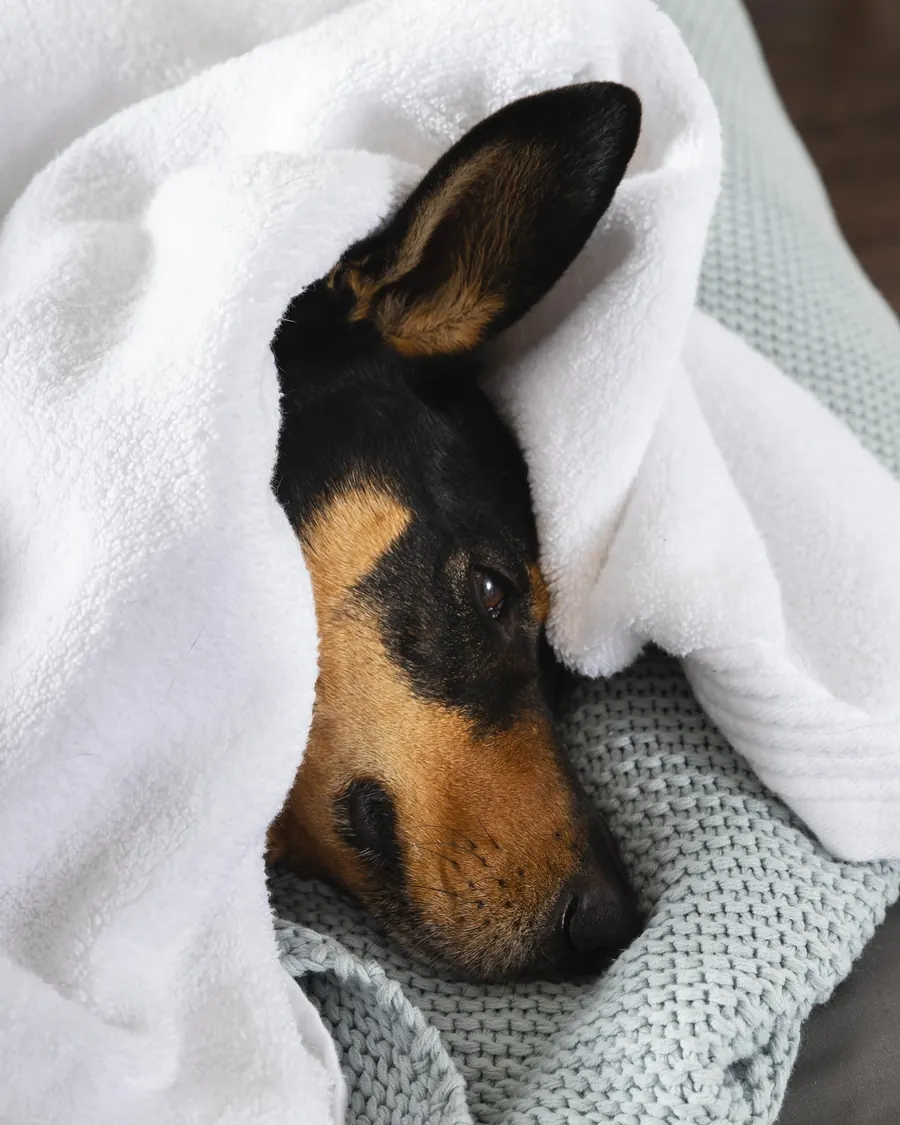
- Walk your dog while it is still light and get home well before dark, before fireworks are likely to start. A longer walk with plenty of opportunity to sniff and explore can tire your dog and help them relax.
- Close the curtains before dark and leave the lights on to hide the flashes.
- Make a den: a quiet, covered space where your dog can hide, with familiar bedding and toys.
- Turn on the TV or radio to help mask the noise.
- Stay calm and stay home. Do not leave a frightened dog alone. Let your dog come to you for comfort if they want to, but do not force them out of their hiding place.
- Keep doors and windows shut and be careful when opening the front door, as a frightened dog may try to bolt.
- Do not take your dog to a firework display.
On the night: cats
Cats usually cope by hiding. To help:
- keep cats indoors from before dusk, and provide a litter tray;
- shut cat flaps and close windows and doors;
- provide hiding places, including high spots such as the top of a wardrobe, and let your cat choose where to go;
- avoid picking up or disturbing a hiding cat.
Small pets
Rabbits, guinea pigs and other small animals can also be terrified by fireworks. If they live outdoors, consider bringing hutches into a shed, garage or indoors, cover part of the enclosure to block out flashes while still allowing ventilation, and give extra bedding so they can burrow and hide.
Medicines and products
If your pet is very frightened despite these steps, speak to your vet. The PDSA notes that vets can prescribe medication for firework fear in some cases. Your vet will check your pet first and choose a suitable treatment; it often needs to be started before the fireworks. Never give your pet human medicines or medicines prescribed for another animal.
Pheromone diffusers and calming products are available; ask your vet whether they may help your pet.
After the fireworks
Pets can stay unsettled for a day or two after a night of fireworks. Keep routines normal, offer quiet time and check your garden and nearby areas for firework debris before letting your dog out, as spent fireworks can cause burns or injuries if picked up or chewed. Check that your pet has not hurt itself while hiding, for example by catching claws or knocking into furniture. If your pet's fear seems to grow each year, use the quieter months to plan ahead with your vet, rather than waiting for the next season to arrive.
When to contact a vet
Contact your vet if:
- your pet's fear is severe or getting worse each year;
- your pet injures itself trying to escape or hide;
- your pet stops eating, shows signs of illness or remains very stressed for days afterwards.
Fear of fireworks is a welfare problem, not just a nuisance, and help is available.
Ireland
In the Republic of Ireland, the rules on fireworks are different, and fireworks are most common around Halloween. The same advice on preparing and caring for frightened pets applies.
Frequently asked questions
What time do fireworks have to stop in the UK?
Fireworks must not be set off between 11pm and 7am, except on Bonfire Night (midnight) and on New Year's Eve, Diwali and Chinese New Year (1am).
When can fireworks be sold?
Registered sellers can sell fireworks for private use from 15 October to 10 November, from 26 to 31 December and for 3 days before Diwali and Chinese New Year. At other times, only licensed shops can sell them.
Should I comfort my frightened dog?
Yes. Let your dog come to you for comfort and stay calm yourself. Do not punish or force a frightened dog out of hiding.
Can my vet prescribe something for firework fear?
In some cases, yes. Talk to your vet well before fireworks season.
My cat disappeared during fireworks. What should I do?
Search sheds and garages nearby, contact your microchip database, vets and rescue centres, and see our guide to pet theft and missing pets.
Sources
- Fireworks: the law, GOV.UK, accessed 2026-11-15.
- Pets and fireworks, PDSA, accessed 2026-11-15.
- Dogs and fireworks, PDSA, accessed 2026-11-15.
- Cats and fireworks, PDSA, accessed 2026-11-15.
- Small pets and fireworks, PDSA, accessed 2026-11-15.
- Get your dog or cat microchipped, GOV.UK, accessed 2026-11-15.
 Law and rulesPet theft in the UK: how to protect your pet and what to do if it is stolenHow to protect your dog or cat from theft, what the Pet Abduction Act 2024 changed, why microchips and ID tags matter and what to do if your pet is stolen.
 Law and rulesRenting with pets in England: your rights under the Renters' Rights Act and how to make a requestHow the Renters' Rights Act changes renting with pets in England from May 2026: asking to keep a pet, valid reasons to refuse and practical tips.
 Law and rulesDog laws in the UK: what every owner needs to knowThe main UK laws for dog owners: collar ID tags, microchipping, keeping a dog under control, livestock worrying, dog fouling, dogs in cars and banned breeds.