
Veterinary care in the UK · Help with costs
Help with vet bills in the UK: PDSA, Blue Cross and other charity vet care
Veterinary care has become noticeably more expensive in recent years, and an unexpected bill for an injury or illness can be a serious problem for many households. The UK has a long tradition of animal charities that help owners who cannot afford private treatment. Their help is not unlimited, and each charity has its own rules, but for eligible owners it can make the difference between treatment and no treatment. This guide explains who the main charities help, what you need to qualify and what other options exist if you are struggling with vet costs.

Animal charities help owners who cannot afford private veterinary care.
PDSA: the UK's largest vet charity
The PDSA runs Pet Hospitals across the UK and works with partner practices through its Pet Care Scheme. To qualify for help, you must receive certain benefits and live within the postcode catchment area of a PDSA Pet Hospital or a Pet Care Scheme practice. PDSA's online eligibility checker shows what help is available at your address.
Free Service
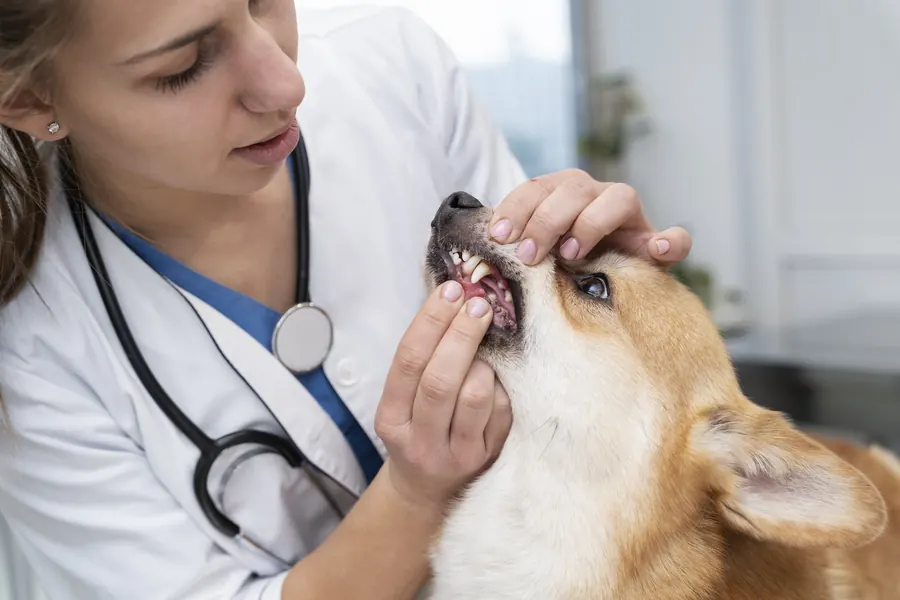
You may qualify for free treatment and medicines if you live in the catchment area of a Pet Hospital and receive at least one of these benefits:
- Housing Benefit (means tested);
- Council Tax Support (means tested);
- Universal Credit with the housing element.
The Free Service covers one pet per household (or two, if they are rabbits or small furries). The free pet must be nominated and cannot be changed without good reason. Any other pets can be registered for the Low Cost Service.
Low Cost Service
You may qualify for low-cost treatment and medicines if you live in a Pet Hospital catchment area and receive benefits such as:
- Child Tax Credit and Working Tax Credit;
- Universal Credit without the housing element;
- Pension Credit, Income Support, Jobseeker's Allowance or income-based Employment and Support Allowance;
- Personal Independence Payment (PIP) or Adult Disability Payment (ADP);
- State Pension, if you are a householder living in council tax bands A to D.
PDSA says its low-cost prices are typically 20–30% lower than private veterinary practices, depending on the treatment. There is no limit on the number of pets you can register for this service.
Pet Care Scheme
If you do not live near a PDSA Pet Hospital, you may be eligible for the Pet Care Scheme. It is run with partner private practices: you pay a small monthly amount and get access to low-cost treatment for cats and dogs. You must live in the catchment area of a participating practice and receive Housing Benefit, means-tested Council Tax support or Universal Credit with the housing element (or Rate Relief in Northern Ireland).
What PDSA does not do
- PDSA does not give financial aid to pay bills at other practices.
- It does not help with breeding or breeding-related problems.
- It treats cats, dogs, rabbits and other small pets, not horses or farm animals.
- Out-of-hours emergency care is available for existing clients, or those registered in the last three years. You cannot register online outside normal opening hours to use the emergency service.
Blue Cross
Blue Cross runs four animal hospitals: Victoria, Merton and Hammersmith in London, and Grimsby. It offers heavily discounted treatment to eligible clients living in their catchment areas. There is always a consultation fee, and clients must renew their registration every 12 months.
Blue Cross treats cats, dogs, small birds and small pets such as rabbits and hamsters. It publishes its prices for common treatments online, offers repeat prescriptions with home delivery where available, and also runs pet food banks and a pet bereavement support service.
Dogs Trust Hope Project
Many homelessness services cannot accept pets, which can leave people facing a choice between shelter and their dog. Dogs Trust's Hope Project supports dog owners experiencing homelessness. Its veterinary scheme covers preventive care, including neutering, microchipping, vaccinations, and flea and worm treatment, as well as some essential or emergency treatment. It runs in over 100 towns and cities through participating homelessness services, which apply on the owner's behalf.
Other sources of help
- RSPCA branches, which are separate local charities, run some clinics and may offer help with neutering or treatment in their area.
- Cats Protection and local cat charities often run low-cost neutering schemes for owners on low incomes.
- Local rescue centres and smaller charities sometimes provide one-off grants or help for specific conditions.
- Pet food banks, including those run by Blue Cross and local food banks, can help with food costs.
Contact the charity directly to check what is available in your area, as schemes change over time.
Talking to your own vet
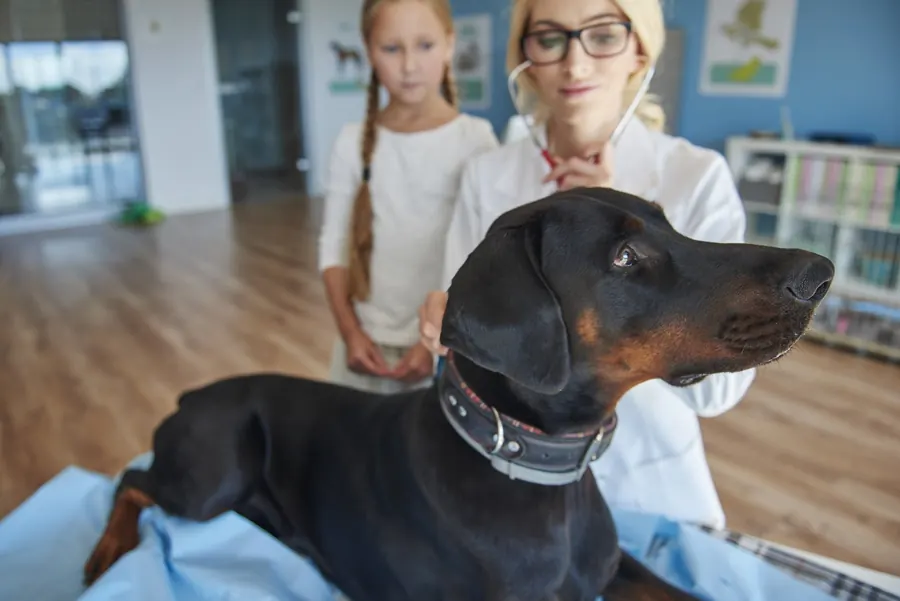
If you are registered with a private practice, tell your vet as early as possible if cost is a concern. There is often more than one reasonable way to investigate or treat a problem. Vets can discuss:
- prioritising the most important tests or treatments first;
- a step-by-step approach, reviewing progress before further tests;
- payment plans or spreading the cost;
- a written prescription so you can compare medicine prices elsewhere.
From 2027, the Competition and Markets Authority's reforms will make this easier: vets will have to give written estimates for treatments likely to cost £500 or more, provide itemised bills and tell owners that they can buy medicines elsewhere with a written prescription. The maximum fee for a written prescription will be capped at £21.40 for the first medicine.
Charities providing small animal vet services, such as the PDSA and Blue Cross, are exempt from the CMA's Order, although they may follow its remedies voluntarily.
Planning ahead
The best protection against large bills is to plan before they arrive:
- Pet insurance helps with unexpected costs; insure your pet young, before any conditions develop.
- Pet health plans spread the cost of vaccinations, health checks and parasite treatment over the year.
- A savings pot for vet bills, even a small amount each month, helps if you do not have insurance.
- Prevention: vaccinations, neutering, parasite control, a healthy weight and dental care reduce the risk of costly problems.
When to act straight away
Do not delay contacting a vet because of cost if your pet has difficulty breathing, has collapsed, may have been poisoned, has been hit by a car, or is a male cat straining to pass urine. Explain your situation to the practice at the start: vets have a professional duty to provide emergency first aid and pain relief, and they can discuss what is possible.
Frequently asked questions
Can PDSA help me if I am not on benefits?
PDSA's services are for owners who receive certain benefits and live in the catchment area of a Pet Hospital or Pet Care Scheme practice. If you are not eligible, other charities or your own vet may be able to help with payment options.
Will PDSA pay my private vet's bill?
No. PDSA does not provide financial aid for treatment at other practices. Help is given through its own Pet Hospitals and Pet Care Scheme.
How many pets can I register with PDSA?
The Free Service covers one pet per household (two rabbits or small furries). There is no limit for the Low Cost Service.
Is charity vet care the same quality as private care?
Charity hospitals are staffed by qualified vets and nurses, but they may not offer every specialist treatment available at private practices. They focus on essential care for as many pets as possible.
What should I bring when registering?
Usually proof of your address and proof of the benefits you receive. Check the charity's website for the exact documents.
Sources
- Our services, PDSA, accessed 2026-11-14.
- Blue Cross veterinary care, Blue Cross, accessed 2026-11-14.
- Hope Project, Dogs Trust, accessed 2026-11-14.
- Large veterinary businesses: complying with the CMA's Order, Competition and Markets Authority, accessed 2026-11-14.
- Veterinary services for household pets: final decision report, Part B, Competition and Markets Authority, 24 March 2026, accessed 2026-11-14.
- 3. 24-hour emergency first aid and pain relief, Royal College of Veterinary Surgeons, accessed 2026-11-14.
 Law and rulesFireworks and pets in the UK: the rules, the season and how to keep your pet calmUK firework rules and curfews, when fireworks season happens, how to prepare dogs, cats and small pets, building a den and when to ask your vet for help.
 Law and rulesPet theft in the UK: how to protect your pet and what to do if it is stolenHow to protect your dog or cat from theft, what the Pet Abduction Act 2024 changed, why microchips and ID tags matter and what to do if your pet is stolen.
 Law and rulesRenting with pets in England: your rights under the Renters' Rights Act and how to make a requestHow the Renters' Rights Act changes renting with pets in England from May 2026: asking to keep a pet, valid reasons to refuse and practical tips.