
Veterinary care in the UK · Insurance
Pet insurance in the UK: types of cover, common pitfalls and how to choose
A broken leg, a swallowed sock or a diagnosis of diabetes can lead to vet bills of hundreds or thousands of pounds. Pet insurance spreads that risk: you pay a monthly or yearly premium, and the insurer pays towards eligible treatment costs. But policies vary enormously, and the differences often only become clear when you make a claim. This guide explains the main types of pet insurance available in the UK, the terms that matter most, and what to do if a claim is refused.

Compare the type of cover, limits and excess, not just the monthly price.
Why insurance matters
Veterinary medicine can now offer pets treatments that were rare a generation ago: MRI scans, joint replacements, chemotherapy and specialist referral care. These treatments are valuable, but they are expensive. Without insurance or savings, owners can face difficult decisions about what they can afford.
Insurance is not the right choice for everyone. Some owners prefer to save a regular amount into a dedicated account instead. What matters is having a plan before an emergency happens.
The main types of policy
Lifetime cover
A lifetime policy covers a condition for as long as you keep renewing the policy, usually up to an annual limit that resets each year. If your dog develops a long-term condition such as arthritis, allergies or diabetes, a lifetime policy can continue to pay towards treatment year after year.
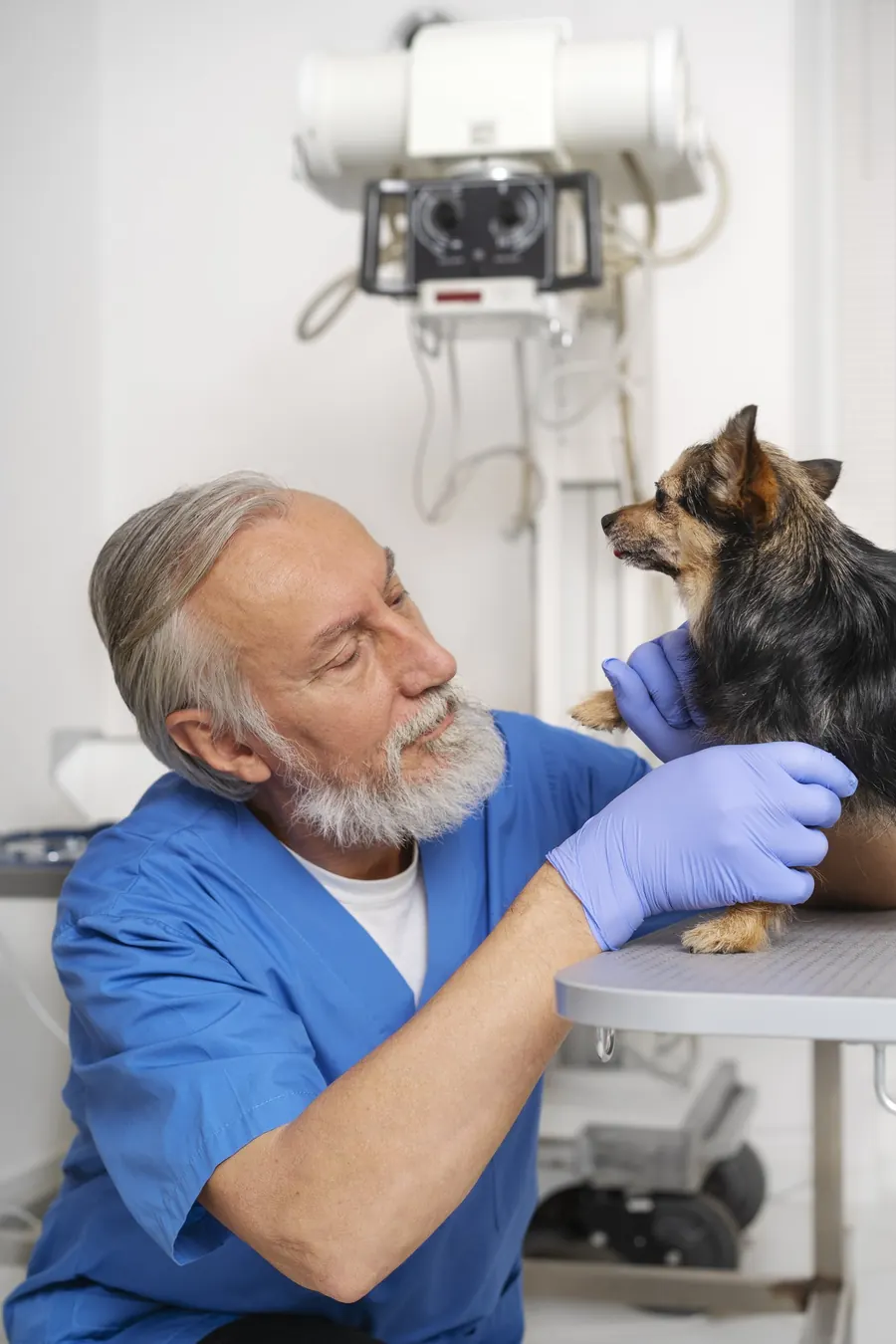
Lifetime policies are usually the most expensive, but they offer the strongest protection for chronic conditions. Check how the annual limit works, whether it applies per condition or for all conditions together, and how premiums are likely to rise as your pet ages.
Time-limited (annual) cover
Time-limited policies cover each condition for a fixed period, often 12 months from the first treatment or diagnosis. After that, the insurer will not pay for that condition again, even if you renew. They suit one-off problems, such as an injury, but can leave you without cover for ongoing illnesses.
Maximum benefit cover
These policies pay up to a fixed amount per condition with no time limit. Once the limit for that condition is used up, it is no longer covered.
Accident-only cover
The cheapest policies cover only accidents, not illnesses. They can help with road accidents, injuries and swallowed objects, but not with infections, cancer or chronic disease.
Trial cover
Breeders, rescue centres and vets often offer free trial cover, usually for about four weeks, when you take on a new pet. It gives you time to choose a full policy, but check what it covers and make sure you arrange permanent cover before it ends.
Terms to understand before you buy
- Excess: the amount you pay towards each claim. Some policies have a fixed excess per condition per year; others charge it per claim.
- Co-payment: a percentage of each claim you pay yourself, often introduced when pets reach a certain age.
- Annual and per-condition limits: the maximum the insurer will pay. Compare them with typical costs of surgery, referral or long-term treatment.
- Pre-existing conditions: problems that began, or showed signs, before the policy started. These are usually excluded. Insure your pet young, before any conditions are recorded.
- Exclusions: common exclusions include routine care (vaccinations, neutering, flea treatment), dental treatment unless specifically covered, and breeding-related costs. Some policies exclude certain hereditary conditions.
- Waiting periods: most policies do not cover illnesses that start in the first few weeks after the policy begins.
- Age limits: some insurers will not start new policies for older pets, or charge more.
- Extras: many policies also include third-party liability (important for dog owners), theft or straying, holiday cancellation and death benefits.
How to compare policies
- Decide what you need. For long-term protection, lifetime cover is usually best. If you mainly want help with accidents, a cheaper policy may be enough.
- Compare like with like. Look at the type of cover, annual limits, excess and co-payments, not just the monthly price.
- Read the policy wording, especially the definitions of pre-existing conditions and exclusions.
- Ask how premiums change with age and after claims.
- Check how claims work: whether the insurer can pay your vet directly, and how long claims usually take.
- Be honest when you apply. Incomplete information can lead to claims being refused.
Making a claim
- Tell your vet that your pet is insured and ask whether they will claim directly from the insurer.
- Submit the claim form with your vet's invoice and clinical notes.
- Keep copies of all documents.
- Claim promptly; most policies have time limits for submitting claims.
Because many policies have annual or per-condition limits, it is worth asking your vet for a written estimate before planned treatment. From 2027, under the Competition and Markets Authority's reforms, vets will have to provide written estimates for treatments likely to cost £500 or more.
When a claim is refused
Common reasons for disputes include:

- the insurer says the condition was pre-existing;
- the treatment is excluded, for example dental care;
- a time limit has been reached;
- the insurer says the pet is aggressive;
- the policy was mis-sold, or the price has risen sharply;
- excesses, co-payments or limits have been applied unfairly;
- exclusions were added in the middle of a policy and backdated;
- the terms of a lifetime policy have changed.
How to complain
- Complain to the insurer first, in writing, explaining why you think the decision is wrong. Include your vet's clinical notes and any supporting letter.
- If the insurer does not send a final response within eight weeks, or you are unhappy with it, you can take your complaint to the Financial Ombudsman Service. The service is free.
- The ombudsman will consider the law, the policy terms, what you were told when you bought it, and the medical evidence from both your vet and the insurer's vet. If it decides you were treated unfairly, it can tell the insurer to put things right and may award compensation.
Insurance and the law for dog owners
Third-party liability cover is particularly useful for dog owners: if your dog causes an accident or injures someone, you could be held responsible. Many pet policies include it, and some home insurance policies do too.
Note that, from 1 July 2026, owners of exempted banned breed dogs, such as XL Bullies, no longer need third-party public liability insurance to keep their exemption certificate valid. It may still be sensible to have it.
Frequently asked questions
When should I insure my pet?
As early as possible, ideally as soon as you bring your puppy or kitten home. Conditions recorded before the policy starts are usually excluded.
Is pet insurance worth it for an indoor cat?
Indoor cats are less likely to have road accidents, but they can still develop costly illnesses such as kidney disease, diabetes or urinary problems. Whether insurance is worth it depends on how you would pay for an unexpected bill.
Does pet insurance cover vaccinations and flea treatment?
Usually not. Routine preventive care is normally excluded. Many practices offer health plans that spread these costs over the year.
Can my insurer increase my premium after I claim?
Premiums often rise with age and may rise after claims. Check how your insurer sets prices at renewal. If the price increases significantly and you think this is unfair, you can complain.
What is the difference between excess and co-payment?
An excess is a fixed amount you pay towards a claim. A co-payment is a percentage of the claim that you pay, often in addition to the excess.
Sources
- Pet insurance, Financial Ombudsman Service, accessed 2026-11-14.
- Large veterinary businesses: complying with the CMA's Order, Competition and Markets Authority, accessed 2026-11-14.
- Ban on XL Bully dogs, Department for Environment, Food & Rural Affairs, accessed 2026-11-14.
- Our services, PDSA, accessed 2026-11-14.
 Law and rulesFireworks and pets in the UK: the rules, the season and how to keep your pet calmUK firework rules and curfews, when fireworks season happens, how to prepare dogs, cats and small pets, building a den and when to ask your vet for help.
 Law and rulesPet theft in the UK: how to protect your pet and what to do if it is stolenHow to protect your dog or cat from theft, what the Pet Abduction Act 2024 changed, why microchips and ID tags matter and what to do if your pet is stolen.
 Law and rulesRenting with pets in England: your rights under the Renters' Rights Act and how to make a requestHow the Renters' Rights Act changes renting with pets in England from May 2026: asking to keep a pet, valid reasons to refuse and practical tips.