Contents
- What happened
- Where the infected wild boar were found
- How many animals have been tested
- How carcasses are searched for
- Fences and corridors
- Why wild boar matter so much
- What about farms
- Why the virus is so dangerous for pigs
- Is swine fever dangerous to people
- How the virus travels
- What changes for hunters
- What travellers and residents should do
- Dogs and walks
- How farmers protect themselves
- Why this matters for Spain
- Parallels with other countries
- Why there is no vaccine
- How to recognise swine fever in a pig
- If you keep a micro pig
- What happens next
- What everyone can do
- Is Spanish pork safe to eat
- What this means for Europe
- When to see a vet
What happened
On 5 November 2026 Spain's Ministry of Agriculture, Fisheries and Food (MAPA) reported a new outbreak of African swine fever in Catalonia. Since the previous update on 29 October, the region's veterinary services have confirmed an infected wild boar near the town of El Papiol. What was found was not a whole carcass but its remains, and the site lies in restricted zone II, inside an area surrounded by fences.
This case brings the number of outbreaks to 79: three primary and 76 secondary. In total, the virus has been confirmed in 424 wild boar in 13 municipalities on the outskirts of Barcelona.
MAPA; 5 November 2026
Where the infected wild boar were found
The list of municipalities shows that the virus is holding on in the wooded hills around Barcelona. They are Cerdanyola del Vallès, Sant Cugat del Vallès, Sant Quirze del Vallès, Terrassa, Rubí, Molins de Rei, Sant Feliu de Llobregat, Sant Just Desvern, Barcelona itself, Sabadell, El Papiol, Castellbisbal and Esplugues de Llobregat. Many of these places are suburbs where the forest comes right up to housing estates.
How many animals have been tested
Vets are not limiting themselves to the carcasses they find. Since the start of the outbreak, 14,689 animals have tested negative. Of these, 12,505 wild boar were trapped or shot even though they showed no signs of disease, and 2,184 were tested under passive surveillance: carcasses found in the wild, their remains and animals with suspicious signs. These figures help show where the virus is present and where it is not, at least for now.
How carcasses are searched for
Large-scale searches for dead wild boar are continuing in the restricted zones. The carcass of an infected animal remains a source of virus for a long time, so every carcass found and removed lowers the risk of new infections. At the same time the wild boar population is being reduced: traps are set, and culling is carried out by rural agents and specially trained hunters under the supervision of the veterinary authorities.
Fences and corridors
The authorities are strengthening fences and other barriers, especially where wild boar habitually move. The position of the fences is adjusted as the picture of the outbreak changes. The new case at El Papiol was found inside the fenced area, which vets see as a rather good sign: so far the virus has not left the zone they managed to draw around it.
Why wild boar matter so much
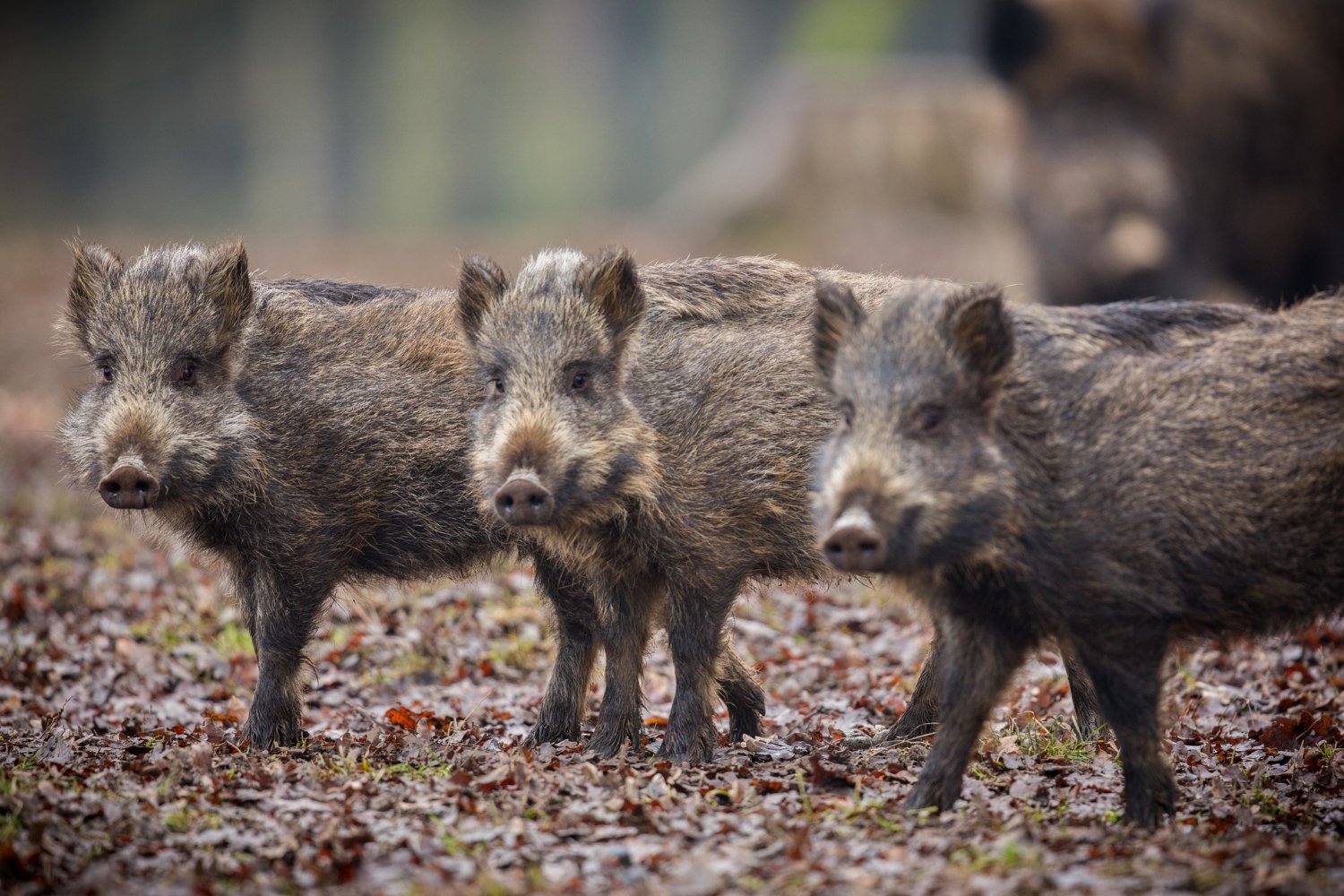
In Europe, African swine fever spreads mainly among wild boar. The animals infect each other and pick up the virus from the carcasses of dead boar, and the virus can survive in remains for a long time, especially in cool weather. The more wild boar live close to people and farms, the greater the risk that the virus reaches domestic pigs via feed, vehicles or footwear.
What about farms
According to MAPA, veterinary services are still inspecting farms and other pig premises in zones I and II. Inspectors check biosecurity and carry out the enhanced passive surveillance required under EU rules. Not a single case has been found in domestic pigs. Most farms in zone II are currently empty.
Why the virus is so dangerous for pigs
African swine fever is a viral disease that affects domestic pigs, wild boar and micro pigs. In most infected animals it is fatal. There is no vaccine that could be used in Europe, and no treatment either. If the virus gets onto a farm, the whole herd has to be culled, and zones with strict restrictions on moving pigs and pork are set up around it.
Is swine fever dangerous to people
MAPA stresses that people cannot catch African swine fever, either through contact with animals or by eating pork products. But people can easily carry the virus on clothing, footwear, car tyres and in food. So all the measures are not about protecting human health but about stopping the virus spreading any further.
How the virus travels
The virus survives well in raw and poorly processed meat, sausages, ham and blood. A ham sandwich thrown away at the roadside, made from infected pork, can be the source of disease for wild boar hundreds of kilometres from an outbreak. That is why there are warning signs at service stations and lay-bys along Europe's motorways: do not leave food scraps behind, and only throw them into closed bins.
What changes for hunters
Hunting in the restricted zones follows special rules and is supervised by the authorities. Game cannot simply be butchered and taken away; carcasses are tested. Hunters should wash and disinfect their kit, boots and vehicle, not take untested meat home and not visit a pig farm after a hunt. Gundogs should be washed and kept away from pigs.
What travellers and residents should do
Anyone walking in the forests around Barcelona is asked to respect local restrictions and not leave food in the woods or in car parks. If you find a dead wild boar, do not touch it, note the location and report it to Catalonia's veterinary services. Such reports help find carcasses more quickly and define the boundaries of the outbreak more precisely.
Dogs and walks
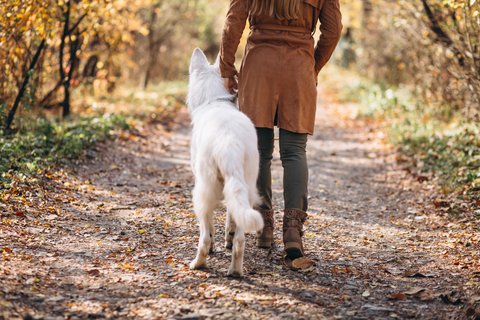
Dogs do not catch African swine fever, but they can carry the virus on their coat, paws and collar. In restricted zones keep your dog on a lead and do not let it sniff or chew bones and remains. Wash its paws after a walk in the woods. This is particularly important if you live near a farm or keep a micro pig.
How farmers protect themselves
Pig farmers across Spain are tightening biosecurity: checking fences, restricting access to farms, making visitors change clothes and boots, and disinfecting vehicles. MAPA is urging these measures not only in Catalonia but across the whole country, including when pigs are transported. Any suspicion of disease must be reported to the regional veterinary services straight away.
Why this matters for Spain
Spain is the largest pork producer in the European Union, and the sector depends heavily on exports. The outbreak in wild boar has already made it harder to sell pork to some countries. If the virus reached large farms, the consequences for farmers and jobs would be far more serious. That is why the authorities report so carefully on every carcass found.
Parallels with other countries
Spain is not the first country in western Europe where wild boar have caught African swine fever. In Germany the virus has been found in wild boar since 2020, in Italy since 2022, and this autumn the disease reached Finland. The experience of these countries shows that the fight against the virus in wild boar can last for years, and the key task is to keep it off farms.
Why there is no vaccine
Scientists have been trying to develop a vaccine against African swine fever for many years, but the virus is very complex. No vaccine is authorised in Europe, so protection relies on biosecurity, movement controls and reducing wild boar numbers. That is exactly why even a small new outbreak attracts so much attention.
How to recognise swine fever in a pig
In domestic pigs the disease often starts with a high temperature, lethargy and loss of appetite. Reddening and bluish patches may appear on the skin, especially on the ears, belly and legs, along with vomiting, diarrhoea and bleeding. Pigs often die suddenly, a few days after the first signs. If you have any suspicion, call a vet immediately.
If you keep a micro pig
A micro pig is still a pig, and African swine fever is just as dangerous for it. In Great Britain it is illegal to feed pigs kitchen scraps, so never give them sausage or meat; do not let your pig come into contact with other pigs or wild boar, and keep it behind a secure fence. If your micro pig roams a garden in an outbreak area, limit its time outside and keep an eye on its health.
What happens next
Catalonia's veterinary services will keep searching for carcasses, trapping wild boar and strengthening fences. MAPA is keeping the alert level high across Spain. The longer the virus stays inside the fenced zones, the better the chances of eventually eradicating it. But every new outbreak is a reminder that the fight will last many more months.
What everyone can do
- Do not leave food in forests, car parks or at the roadside.
- Do not bring pork or sausages back from restricted zones.
- Report dead wild boar to the regional veterinary services.
- Clean your boots and your dog's paws after a walk in the woods.
- Keep micro pigs away from wild boar and other people's pigs.
Is Spanish pork safe to eat
Yes. Pork products are safe for people, and the virus is not transmitted to humans. The restrictions exist only to stop the virus spreading further among pigs and wild boar. You can eat meat and sausages from the shops as usual, but do not throw leftovers away in the countryside and certainly do not feed them to pigs.
What this means for Europe
The outbreak near Barcelona shows that African swine fever can suddenly appear far from existing outbreaks, most likely carried in infected food. Pig keepers in Germany, France, the Czech Republic, Sweden and Finland, and in the UK too, should review their biosecurity, while travellers should not bring pork back from restricted areas or leave food in the countryside.
When to see a vet
Call a vet straight away if a pig or micro pig has a high temperature, is lethargic, refuses food, has red or blue patches on the skin, is vomiting, has diarrhoea or has died suddenly. Do not move pigs or let visitors in until the vet has ruled out a dangerous disease. In Great Britain suspected African swine fever must also be reported to the Animal and Plant Health Agency (APHA). If your dog has been in contact with a wild boar carcass, tell your vet.
Sources
- Diario Veterinario (MAPA data), 5 November 2026