Contents
- What happened
- Where the virus was found
- The private holding in Perg district
- The municipalities in Upper Austria
- The municipalities in Lower Austria
- What the housing order means
- Rules for the whole country
- Outdoor runs and water
- Exemption for small holdings
- What the state councillor said
- What owners of small flocks should do
- Signs of disease
- Pets and birds in the home
- What happens next
What happened
Bird flu has reappeared in Austria. On 27 November the authorities in Upper and Lower Austria reported new findings of the virus: it was detected in several swans along the River Enns and in a private holding with geese and chickens in the Perg district. As the broadcaster ORF reports, the last restrictions for poultry keepers were only lifted in June, just five months ago.
Two decisions followed at once. Poultry in 14 municipalities of Upper Austria and six of Lower Austria must now be kept indoors. In addition, the whole country has been declared an area of increased risk, and basic protective measures now apply to all bird keepers.
Where the virus was found
Sick swans were found on both sides of the Enns, on the Upper Austrian and the Lower Austrian banks. The river forms the border between the two states, so the measures were introduced in a coordinated way. Waterfowl are considered among the main carriers of the virus: they can fall ill, carry the pathogen over long distances and then infect birds on the water, in meadows and at feeding sites.
On the Lower Austrian side of the Enns canal, 12 swans tested positive. The previous case in Lower Austria was recorded on 15 November. Since then, as ORF notes, several more sick wild birds have been reported in Upper Austria.
The private holding in Perg district
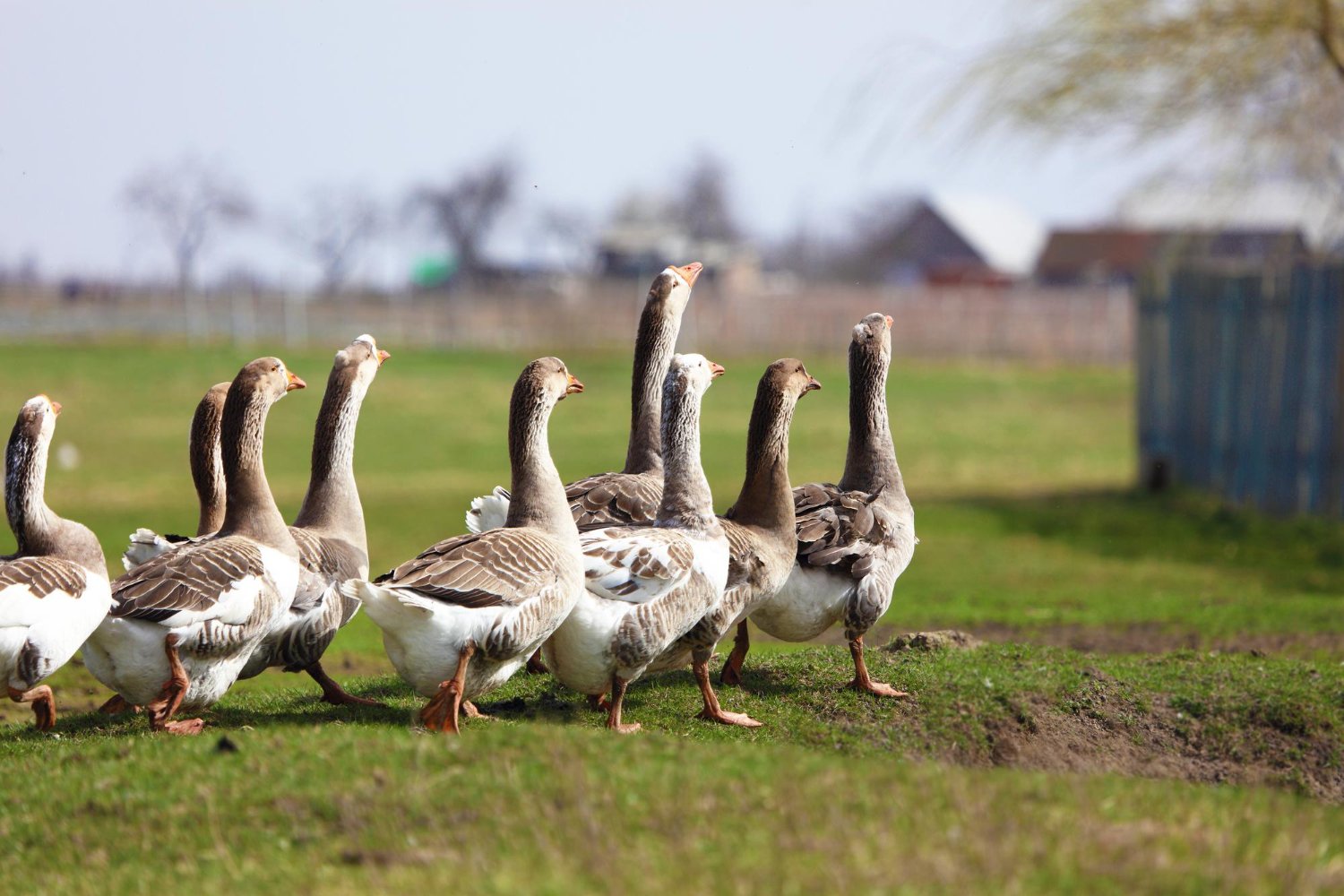
In a small private holding in the Perg district, some of the chickens and geese had already died. After laboratory testing confirmed the suspicion of bird flu, the remaining birds were culled on Friday. This is the standard measure for a confirmed case: it stops the virus spreading further.
No protection zone was set up around this property. The authorities explained that it was a "very small private holding". The virus is thought to have been brought in by wild birds. For bird keepers nearby it is a reminder: even a small backyard with a few chickens and geese can be hit.
The municipalities in Upper Austria
In Upper Austria the housing order applies in 14 municipalities. These are the city of Steyr; in the Linz-Land district, Enns, Kronstorf and Hargelsberg; in the Steyr-Land district, Garsten, Dietach, Wolfern, St. Ulrich bei Steyr, Aschach an der Steyr and Ternberg; in the Perg district, Mauthausen, Langenstein and Luftenberg an der Donau; and in the Urfahr-Umgebung district, Steyregg.
The measures took effect immediately. They particularly affect holdings with more than 50 birds. If you live in one of these places and keep poultry, check the notice issued by your municipality.
The municipalities in Lower Austria
In Lower Austria, six municipalities in the Amstetten district have been declared an area of greatly increased risk: Behamberg, Haidershofen, Ernsthofen, St. Valentin, Ennsdorf and St. Pantaleon-Erla. The strict rules apply there from Tuesday 1 December.
Christina Riedl, the state veterinary director of Lower Austria, told ORF that further spread of the disease cannot be ruled out in the cold season. That is why AGES, the agency responsible for health and food safety in Austria, assessed the situation for the whole country and proposed protective measures nationwide.
ORF, oe24; 27 November 2026
What the housing order means
In German the rule is called Stallpflicht. In areas of greatly increased risk, poultry must be kept in a poultry house or in enclosed structures that are at least covered from above. Suitable options include roofed aviaries or so-called winter gardens: an open area next to the poultry house, enclosed with netting or mesh and under a shared roof.
The purpose of the rule is simple. Wild waterfowl must not come into contact with poultry or get at their feed, water and bedding. Droppings and feathers from infected wild birds can bring in the virus even without direct contact.
Rules for the whole country
Although the strict measures apply only in certain municipalities, restrictions have been introduced across Austria. Under the regulation presented on Friday afternoon, the whole country is considered an area of increased risk.
What this means in practice:
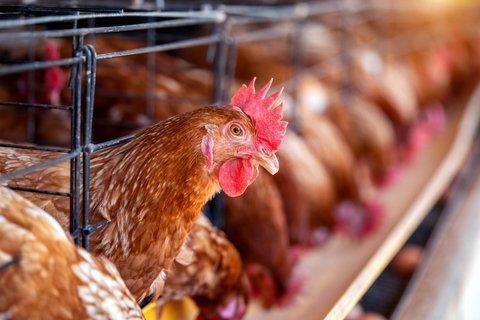
- poultry are protected from contact with wild birds by netting, roofs or horizontal fabric covers, or are fed and watered inside the poultry house or under a shelter;
- ducks and geese are kept separately from other poultry so that contact is impossible;
- poultry must not be given surface water that wild birds can access.
Outdoor runs and water
If you keep your birds in an outdoor run under a roof or netting, there is an additional condition. Runs must be securely fenced off from open water where wild waterfowl may be present: ponds, streams and backwaters.
This is particularly important in Upper and Lower Austria, where there is a lot of water along the Enns and the Danube, and therefore many swans, ducks and geese. Fences should be checked before the birds go out, not after the first finding. A solid roof over the run is a good idea: it protects not only against contact but also against droppings falling from above.
Exemption for small holdings
In areas of greatly increased risk, holdings with fewer than 50 birds are exempt from the housing order. But this exemption is not unconditional. There are two conditions: ducks and geese are kept separately from other poultry with no possibility of contact, and in outdoor runs the birds are protected by netting, roofs or a horizontal cover, or are fed and watered indoors or under a shelter.
If even one condition is not met, the exemption does not apply. Owners of small backyards should remember that fewer birds do not mean less responsibility: the case in the Perg district occurred in a very small holding.
What the state councillor said
Michaela Langer-Weninger, Upper Austria's state councillor for agriculture from the Austrian People's Party (ÖVP), stressed in a press statement that consumers have no reason to worry. According to her, transmission of the virus through eggs and poultry meat is considered ruled out.
News about bird flu often raises the question of whether eggs and chicken from the shop are safe. The councillor's statement answers it: the restrictions are mainly there to protect the birds and the work of poultry farmers, not to protect shoppers. As always, eggs and poultry meat should be cooked thoroughly.
What owners of small flocks should do
If you keep a few chickens, ducks or geese, start with simple steps. Move your birds into a poultry house or roofed aviary if you live in one of the municipalities listed. Elsewhere, make sure feed and water cannot be reached by wild birds. Do not take water for your birds from a pond or stream.
General biosecurity rules also help:
- keep separate footwear or overshoes for the poultry house;
- wash your hands before and after working with your birds;
- do not let outsiders into the poultry house;
- clear away feed that wild birds could peck at;
- do not bring feathers or objects from walks by the water into the poultry house.
Signs of disease
With bird flu, birds can suddenly fall ill and die without obvious signs, but more often there is lethargy, loss of appetite, a drop in egg production, swelling of the head, a bluish comb and wattles, breathing difficulties and diarrhoea. Only a laboratory can make an accurate diagnosis.
If several birds in your flock die unexpectedly or fall ill with these signs, do not move the carcasses or bury them yourself. Contact a vet or the district veterinary service immediately. That is exactly how bird flu was suspected in Perg: some of the birds died, and then the laboratory confirmed the suspicion.
Pets and birds in the home
Parrots, canaries and other birds kept indoors are at lower risk, but it is not zero. Do not bring dead or sick wild birds you find into the house, and keep dogs and cats away from them. Do not touch a dead swan or duck by the water with bare hands; report the find to the municipality or the veterinary service.
If you have been walking by water where wild birds may be present, wash your hands and leave your shoes by the door. These steps cost nothing and help avoid carrying the pathogen to your own birds.
What happens next
The strict rules have applied in Upper Austria since 27 November and will apply in the six municipalities of Lower Austria from Tuesday. The sources do not say when they will be lifted. As the last season showed, restrictions can stay in place for months: they were only lifted in June.
Follow announcements from your municipality, the state government and AGES. If cases in wild birds continue, the list of municipalities with a housing order may change. In the UK, bird keepers should follow the rules published by Defra and APHA. For any questions about your birds' health, contact a vet.
Sources
- ORF Oberösterreich, 27 November 2026
- ORF Niederösterreich, 27 November 2026
- oe24, 27 November 2026