Contents
- What happened
- Two farms in England
- Zones around the farms
- An early start to the season
- The Chief Vet's warning
- Christmas birds at risk
- Why the second strain matters
- Germany: risk now high
- What has changed in the assessment
- Outbreaks in northern Germany
- Why cold weather helps the virus
- Brandenburg: a wild goose
- Denmark brings birds indoors
- Exemptions and bans in Denmark
- Poland: an appeal from vets
- How the virus gets onto farms
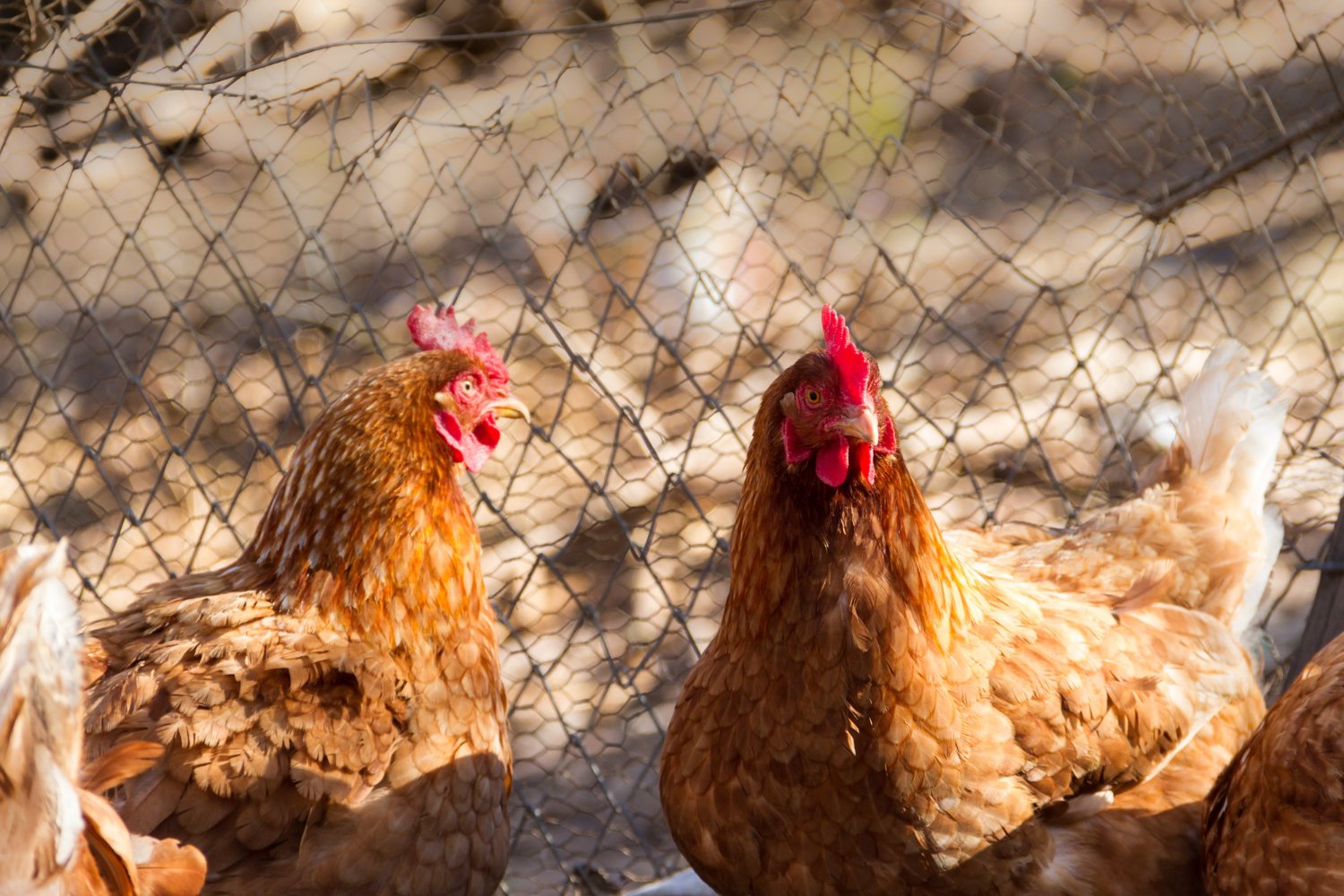
- Even five hens in the garden
- Buy only from approved sellers
- What hen keepers should do now
- Cats and bird flu
- Dogs on walks
- If you find a dead bird
- Is it dangerous for people?
- What this means for Europe
- When to see a vet
What happened
On Saturday 7 November 2026 Defra confirmed highly pathogenic avian influenza H5N1 at two commercial poultry premises in England. One is near Pocklington in the East Riding of Yorkshire, the other near Garstang in Wyre, Lancashire. The same weekend Germany and Denmark reported new cases, and Poland issued an appeal to poultry keepers.
Two farms in England
Near Pocklington the virus was found in a flock of 14,000 free-range laying hens. Near Garstang a mixed premises was affected, where turkeys and geese were being reared for the festive season. In both cases all the birds on the farm will be humanely culled, as disease control rules require. Defra has numbered the outbreaks AIV 2026/24 and 2026/25.
Zones around the farms
A 3 km protection zone and a 10 km surveillance zone have been declared around each premises. Inside the protection zone all keepers must house their birds, and movements of poultry and eggs are restricted. In the wider surveillance zone movement controls and extra record-keeping apply. The disease control zone map is updated on GOV.UK.
An early start to the season
The new cases follow a difficult autumn. On 4 November H5N1 was confirmed in North Lincolnshire on a farm with 64,000 ducks. On 2 November the virus was found in 64,000 free-range hens near Biggar in the Scottish Borders. On 19 October 32,000 laying hens were affected near Belford in Northumberland. Scotland has also recorded a separate outbreak of the H5N5 strain.
The Chief Vet's warning
At the start of the season the UK Chief Veterinary Officer, Christine Middlemiss, urged poultry keepers to tighten biosecurity as migratory birds return for the winter. She said good biosecurity is the best defence against the disease. In Great Britain the bird flu season is officially counted from 1 October.
GOV.UK, FarmingUK, dpa, EFSA; 6–8 November 2026
Christmas birds at risk
The Garstang outbreak is especially hard for farmers just before Christmas: turkeys and geese were being raised there for festive sales. The British Free Range Egg Producers Association (BFREPA) keeps its own tally of outbreaks this season. Every farm where birds have to be culled and every new restriction zone reduces supply. For shoppers this can mean less choice and higher prices.
Why the second strain matters
The separate H5N5 outbreak in Scotland is a reminder that bird flu viruses are constantly changing. Different variants can spread differently between bird species and mammals. That is why veterinary laboratories do not simply confirm “bird flu” but determine the virus type in each outbreak and compare it with findings in wild birds.
Germany: risk now high
In Germany the Friedrich Loeffler Institute (FLI), the federal animal health research institute near Greifswald, has reported a new wave. As temperatures fall and birds migrate, detections in wild birds and in flocks have been rising again since October. A spokeswoman for the institute stressed that this applies not only to Germany but to the whole of Europe.
What has changed in the assessment
The institute has raised several assessments by one level. The risk of introduction and spread among wild birds is now high, up from moderate. The risk of the virus entering flocks through direct and indirect contact with wild birds is also now high. The risk of spread between holdings within the EU and Germany has gone up from low to moderate.
Outbreaks in northern Germany
In recent days the virus was found in a flock of 6,000 turkeys in the Aurich district of Lower Saxony. Another case was confirmed in the Segeberg district of Schleswig-Holstein, where a farm had already been hit at the end of October. On Friday the first case of the season in Mecklenburg-Western Pomerania emerged, on a turkey farm in the Rostock district.
Why cold weather helps the virus
The institute links the rise to migration. Birds travel long distances and gather in large flocks at resting sites, where the virus passes easily from bird to bird. Cool weather also helps it survive longer in the environment. That is why cases are currently concentrated in the north of the country, where the main flyways pass.
Brandenburg: a wild goose
On 6 November the Brandenburg agriculture ministry reported the first officially confirmed case of this autumn. The virus was found in a wild goose in the Oder-Spree district, and the Loeffler Institute confirmed the sample. The ministry urged all poultry keepers to follow protective measures strictly, especially with free-range flocks.
Denmark brings birds indoors
In Denmark the food authority Fødevarestyrelsen raised the threat level from medium to high because of a growing number of cases in wild birds at home and in neighbouring countries. From 9 November 2026 all captive birds must be kept indoors or under a roof or netting so they cannot come into contact with wild birds.
Exemptions and bans in Denmark
Small runs of up to 40 square metres do not have to be covered, but the birds must stay within the fence. Keepers of ducks and geese can be exempted if they reduce the outdoor area and stop wild birds landing in the enclosure. Shows, competitions and markets with poultry are, as a rule, banned nationwide.
Poland: an appeal from vets
The veterinary service in Lublin reminded keepers of the scale of the threat. According to the European Food Safety Authority (EFSA), almost 8,000 bird flu outbreaks were detected in Europe between October 2025 and June 2026. Detections in wild birds were four times higher than the winter before.
How the virus gets onto farms
EFSA notes that most infections on poultry farms came from indirect contact with wild birds. The virus is carried in on footwear, equipment and other objects. Together with the European Commission the agency runs the #NoBirdFlu campaign, which explains biosecurity rules in plain language.
Even five hens in the garden
Polish vets point out that owners of small backyard flocks must also register where they keep birds, even if the birds are only for the family. They have to give their name, address and the number and species of birds. The duty comes from a regulation of the agriculture minister dated 11 March 2026. Birds kept permanently inside the home are exempt. In Great Britain, keepers of any number of poultry are also encouraged to register their birds with APHA so they can be contacted during an outbreak.
Buy only from approved sellers
Another warning concerns buying birds. Poultry may only be sold at places approved and supervised by the veterinary service, and sellers must have a veterinary registration number. Birds from an unknown source can bring disease into an existing flock. That applies to small gardens too, where one or two new hens are added.
What hen keepers should do now
If you keep chickens, ducks or geese, now is the time to check a few simple things:
- Keep feed and water under cover so they do not attract wild birds.
- Change or disinfect your footwear before going into the poultry house.
- Do not buy birds informally or without paperwork.
- Check whether a housing order applies in your area.
- Call your vet at once if birds stop eating, become dull or start dying.
Cats and bird flu
H5N1 is not only dangerous for birds. In recent years infections have been described in cats too, through raw poultry, raw milk or contact with sick and dead birds. During outbreaks it is wise not to feed cats raw poultry of unknown origin and to keep them away from places where dead wild birds are found.
Dogs on walks
Dogs fall ill less often but can also pick up a dead bird. Gundogs and curious dogs are best kept on a lead near water. If your dog does grab a dead bird, take it away using gloves or a bag, wash your hands and tell your vet.
If you find a dead bird
Do not touch it with bare hands and do not take it home. In Great Britain you should report dead wild birds, especially swans, geese, ducks and birds of prey, to the Defra helpline. Specialists will decide whether the bird needs testing. This helps spot the virus earlier in a new area.
Is it dangerous for people?
European agencies assess the overall risk to the general public as low. People who work closely with poultry are at greater risk. Eggs and meat from shops are considered safe when cooked in the usual way. Because of the outbreaks, however, there may be fewer turkeys and geese at Christmas, and prices may rise.
What this means for Europe
November 2026 has begun as worryingly as last year's record winter. Britain, Germany, Denmark and Poland tightened their measures almost at the same time, which shows that the virus is circulating widely among migratory birds across the continent. In the coming weeks more countries are likely to introduce housing orders and bans on bird shows.
When to see a vet
Call your vet straight away if hens, ducks or geese suddenly lay fewer eggs, sit fluffed up, have swelling on the head, a bluish comb or diarrhoea, or if birds start dying. Take your cat to the vet too if, after contact with birds, it becomes lethargic, has a high temperature, refuses food, loses coordination or has fits.
Sources
- GOV.UK, Defra: outbreak near Pocklington (AIV 2026/25), 7 November 2026
- GOV.UK, Defra: outbreak near Garstang (AIV 2026/24), 7 November 2026
- FarmingUK, 8 November 2026
- Tagesspiegel (dpa), 7 November 2026
- rbb24, 6 November 2026
- Jordbruksaktuellt, 7 November 2026
- Dziennik Wschodni, 7 November 2026