Contents
- What happened
- How many birds are affected
- Protection zone and surveillance zone
- What the zones mean for bird keepers
- What bird flu is
- Autumn and winter: why the risk rises
- What the hunting association said
- Cats: keep them indoors
- Dogs: do not let them touch dead birds
- How to protect your poultry house
- What to do if you find a dead bird
- Small flocks and ornamental birds
- What about meat and eggs?
- What it means for readers
What happened
A case of bird flu has been confirmed in Neuenwalde in the Cuxhaven district of the German state of Lower Saxony. It was reported on 26 November by the broadcaster buten un binnen and the news site nord24. The case involves a holding where poultry is kept. Restrictions have been introduced for the surrounding area, affecting hundreds of bird keepers, from large farms to small backyards.
This information is based on media reports. We have not separately checked the primary source, that is, the district authority's order or data from the Friedrich-Loeffler-Institut, so for the exact wording please contact the district veterinary office.
How many birds are affected
According to nord24 and the radio station Antenne, the holding had about 250 birds. The reports available to us do not give details of the exact make-up of the flock, how many animals fell ill or how many will have to be culled. For that reason we do not name the bird species or speculate about how the outbreak is being dealt with.
In such cases, Germany usually follows a standard approach: the district veterinary office makes the diagnosis, organises measures on the holding itself and sets up zones around it. Details are usually published by the district authority on its website and in local media.
Protection zone and surveillance zone
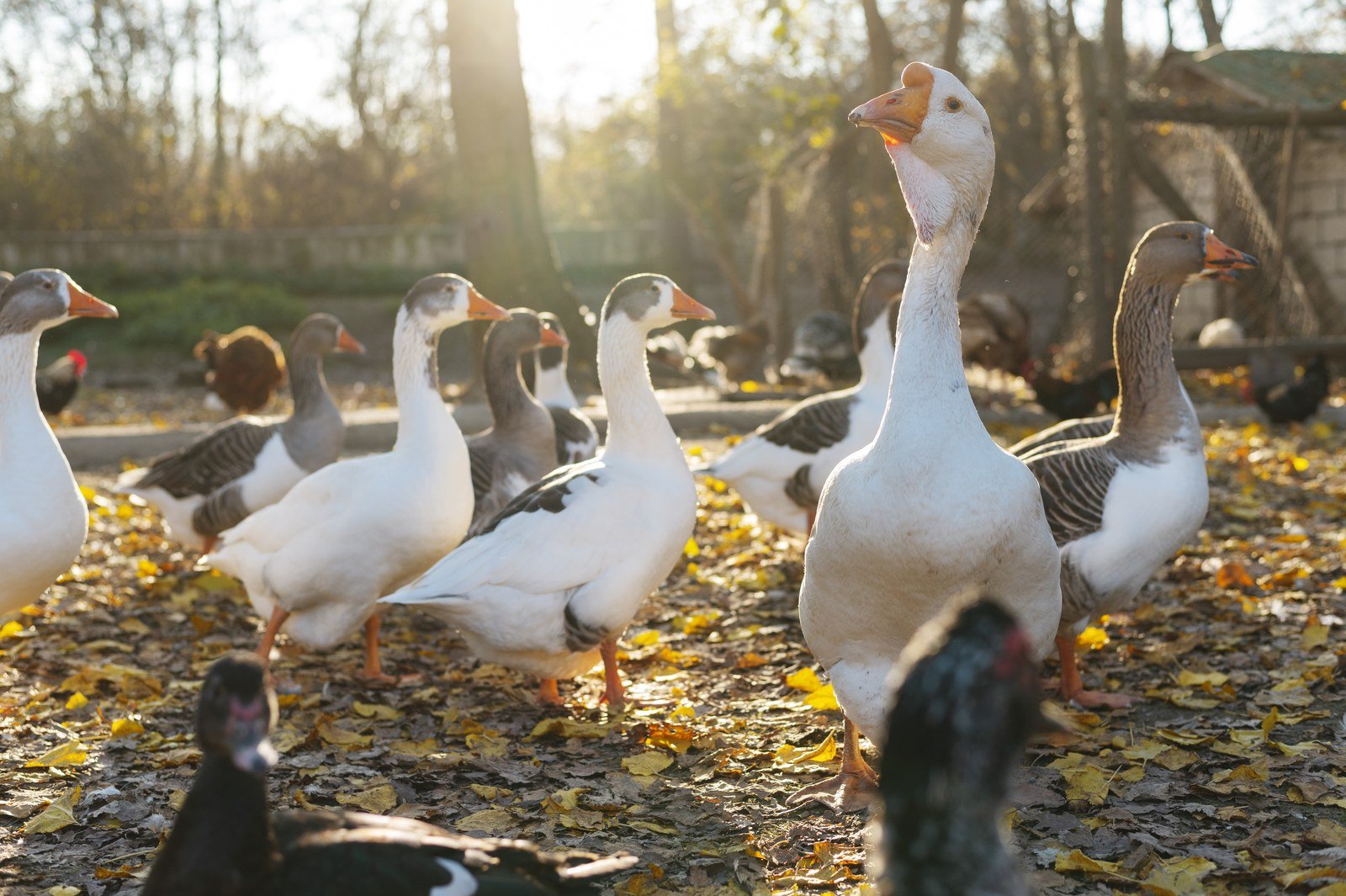
According to buten un binnen, a protection zone and a surveillance zone have been set up around Neuenwalde. Several hundred holdings fall within them. These are not only commercial farms but also small backyards where chickens, ducks and geese are kept for the household, for eggs or as pets.
The protection zone is closer to the outbreak and has stricter rules. The surveillance zone is wider and controls there are less strict. For the exact boundaries, how long the zones apply and the list of requirements, see the order issued by the Cuxhaven district authority. If you live near the edge of a zone, check which side your premises are on.
What the zones mean for bird keepers
People living in the zones usually have to follow a number of rules. Typically these are:
- register your birds with the veterinary office if your holding is not yet registered;
- do not move birds or eggs out of or into the zone without permission;
- keep birds in a closed building, without free range;
- monitor your flock and report deaths or lethargic birds immediately;
- follow the requirements for disinfecting footwear, wheels and equipment.
Exactly what applies in Neuenwalde is set out in the district's order. Do not rely on second-hand accounts: read the official text and call the veterinary office if you have questions.
What bird flu is
Bird flu, also known as avian influenza or fowl plague, is a viral disease that spreads quickly among domestic and wild birds. The virus is passed on through the droppings and secretions of sick birds and through contaminated feed, water, bedding, footwear, clothing and equipment. Wild waterfowl can carry it, sometimes without appearing ill.
On poultry holdings the disease often causes mass deaths within days. That is why veterinary services act firmly once the diagnosis is confirmed: they isolate the outbreak site, cull the infected flock and set up zones to stop the virus spreading.
Autumn and winter: why the risk rises
In autumn and early winter, wild birds migrate and gather on lakes and rivers. The virus can travel with them to new areas. The coast of northern Germany lies on the migration route of many waterfowl, so the situation there is watched especially closely.
In these weeks hunters and birdwatchers find dead wild birds more often. For veterinary services this is one of the signs that the virus is circulating nearby. Cold weather helps the virus survive longer in the environment, so caution is needed throughout the winter.
What the hunting association said
On 26 November the German Hunting Association (Deutscher Jagdverband) called for greater vigilance. The association pointed out that not only birds but also some mammals, including cats and dogs, can catch bird flu. Pet owners in risk areas should therefore be more careful than usual.
The association also gave advice on what to do when finding dead wild birds and how to protect your own poultry. Hunters are out in fields and by water every day, so they are often the first to notice unusual deaths.
Cats: keep them indoors
The hunters recommend keeping cats indoors in the restricted zones. A cat that roams freely can catch a sick or weakened bird, pick up a carcass or bring the virus home on its fur and paws. For owners who also keep birds at home, this is a double risk.
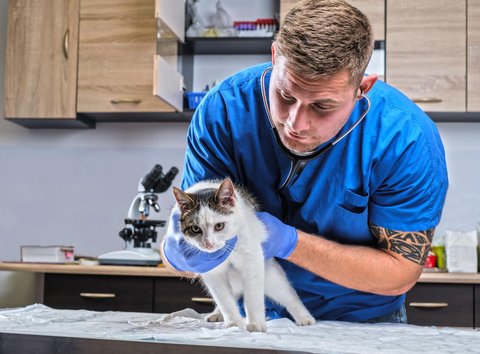
If your cat lives outdoors, limit its outings while the outbreak lasts, at least within the protection and surveillance zones if possible. If your cat becomes lethargic, eats poorly, starts coughing, has difficulty breathing or shows neurological signs, do not delay calling a vet. Tell the vet that there has been a bird flu outbreak nearby.
Dogs: do not let them touch dead birds
The hunting association advises that dogs should not be allowed to touch or pick up dead birds. When walking in places where dead waterfowl can be seen, it is better to keep your dog on a lead and not let it near water where carcasses are lying on the bank.
If your dog does grab a bird, do not try to treat it yourself or give it any medicines. Move the dog away from the find, wash your hands and seek advice from a veterinary practice. Do not pick up the bird with bare hands, and report the find to the veterinary office.
How to protect your poultry house
According to the hunting association, the Friedrich-Loeffler-Institut, Germany's federal research institute for animal health, recommends not entering poultry houses for three days after contact with wild birds. This applies both to hunters who keep their own birds and to anyone who has picked up or prepared game birds.
General biosecurity measures will be familiar to keepers:
- change footwear and clothing before entering the poultry house;
- store feed and bedding where wild birds cannot reach them;
- do not give birds water from open ponds or puddles;
- cover the poultry house with netting so that wild birds cannot fly in;
- keep out visitors and do not enter the poultry house after visiting other holdings.
What to do if you find a dead bird
Do not touch it with bare hands or remove it yourself. Report the find to the district veterinary office or the local authorities. This is especially important if several birds have died at once, most often waterfowl, gulls or birds of prey.
You may photograph the bird from a safe distance. Keep dogs and children away from the site. The veterinary office will decide whether testing is needed and how to remove the carcass safely. Do not put the bird in a rubbish bin or bury it yourself without instructions.
Small flocks and ornamental birds
Bird flu does not only affect commercial farms. People who keep a few backyard hens, ornamental waterfowl, pigeons or parrots also need to know the rules. Domestic birds that go outside can come into contact with wild birds or their droppings.
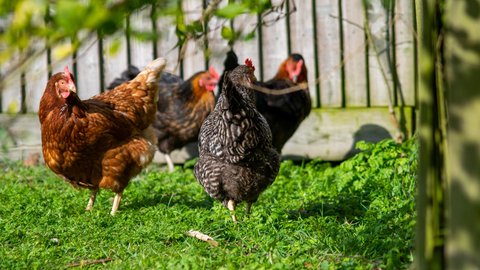
In the restricted zones, small keepers are affected in the same way as large holdings. Having only a few hens is no reason to ignore the rules. Register your birds, move them into a closed building and watch their behaviour and appetite. Sick birds often sit hunched with ruffled feathers, eat and drink poorly and stop laying.
What about meat and eggs?
For people, the risk of infection from food bought in shops is considered low, especially when it is cooked thoroughly. Even so, raw poultry meat and eggs should always be stored separately from other food, and hands and kitchen utensils should be washed thoroughly after handling them.
If a bird in your backyard falls ill, do not slaughter it or sell its meat or eggs until the veterinary office has made a decision. This also applies to gifts to neighbours: birds from a flock suspected of disease must not be passed on.
What it means for readers
For bird keepers near Cuxhaven, the main rule now is to find out which zone their premises fall in and to follow the district's order. For other cat and dog owners in the region, the advice is simple: less contact with wild birds and their carcasses, keep cats indoors for the time being and walk dogs on a lead.
The situation may change. Follow announcements from the Cuxhaven district authority and its veterinary office. If you have any doubts about your animal's health, contact a vet. Readers in the UK can find the rules that apply to them on the Defra and APHA websites.
Sources
- buten un binnen, 26 November 2026
- nord24, 26 November 2026
- Deutscher Jagdverband, 26 November 2026