Contents
- What happened
- Suspected in Katrineholm
- Not the first time
- Why it matters for pet rabbits
- A very hardy virus
- How the disease spreads
- Signs of disease
- A poor outlook
- There is a vaccine
- Two types of virus
- How often to vaccinate
- Keep pet rabbits away from wild ones
- Be careful with grass and hay
- Shoes and hands
- Insects
- If your rabbit dies
- If you find a dead wild rabbit
- Wild rabbits in Sweden
- Hares are at risk too
- Is the disease dangerous to people and other animals?
- Rabbits as pets
- Myxomatosis
- What this means for Europe
- House rabbits
- Shows and boarding
- How surveillance works
- Disinfection
- Quarantine for new rabbits
- How long the virus survives
- What happens next
- When to see a vet
What happened
On 24 November the county administrative board of Södermanland in Sweden announced that rabbit haemorrhagic disease had been confirmed in a wild rabbit found dead in Nyköping municipality. In Swedish it is called kaningulsot, and internationally it is known as RHD. It is a contagious and often fatal viral disease of rabbits and some hare species.
Suspected in Katrineholm
At the same time the Swedish Veterinary Agency, SVA, suspects the disease in neighbouring Katrineholm. Increased deaths among wild rabbits have been noticed there. Post-mortems on dead animals showed changes that also point to haemorrhagic disease. Final results are not yet available.
Not the first time
According to the local newspaper Södermanlands Nyheter, the disease has swept through Nyköping's wild rabbits before. At that time SVA found that at least twenty rabbits had died of the infection. The new case shows that the virus is circulating in the local population again.
Why it matters for pet rabbits
Wild rabbits can pass the virus on to pet rabbits. Direct contact is not even necessary: the virus is carried on grass, hay, equipment, shoes and clothing. That is why the authorities are asking rabbit owners in Södermanland to be especially careful.
Länsstyrelsen Södermanland; 24 November 2026
A very hardy virus
The virus that causes haemorrhagic disease is very resistant in the environment. It can survive for a long time in carcasses, droppings, on grass and on objects. Ordinary outdoor conditions do not kill it. So even after sick animals have died, the place remains dangerous.
How the disease spreads
The virus spreads through direct contact between rabbits and indirectly through the environment, tools, shoes and clothing. It can also be carried by insects, and by birds and predators that eat dead rabbits. People do not fall ill but can carry the virus.
Signs of disease
Signs of haemorrhagic disease include a high temperature, a sudden decline in condition and refusal to eat. Sometimes there is bloody discharge or froth from the nose, bluish mucous membranes, laboured breathing and flared nostrils. Many rabbits die suddenly without any visible signs.
A poor outlook
County veterinary officer Karin Renjö told the Swedish public broadcaster's regional service, SVT Sörmland, that the outlook for rabbits already showing signs of disease is usually poor. There is no treatment that kills the virus. So the main thing is to prevent infection.
There is a vaccine
A vaccine against rabbit haemorrhagic disease is available. The authorities advise contacting a vet if you want to vaccinate your rabbits or if they show signs of illness. Modern vaccines protect against both virus types found in Europe.
Two types of virus
At first the classic haemorrhagic disease virus spread across Europe. Around 2010 a second type, RHDV2, appeared. It also affects young kits and some hare species, and has replaced the old type in many countries. That is why the vaccine must also protect against RHDV2.
How often to vaccinate
The vaccination schedule is set by the vet. Adult rabbits are usually vaccinated once a year, sometimes more often in high-risk areas. Kits are vaccinated from a few weeks of age. A vaccinated rabbit is far better protected even if it encounters the virus.
Keep pet rabbits away from wild ones
The authorities advise protecting pet rabbits from contact with wild rabbits and the places they visit. Do not let your rabbits out on lawns where wild rabbits graze. Outdoor runs should be enclosed with mesh so that wild animals cannot get close.
Be careful with grass and hay
Do not pick grass for your rabbits where wild rabbits roam. Buy hay and greens from trusted suppliers. Fresh grass is best gathered in fenced areas. This reduces the risk of bringing in the virus with food.
Shoes and hands
After walks in a park or wood, change your shoes and wash your hands before going near your rabbits. Do not bring tools and boxes that have been outside into the house without washing and disinfecting them. These simple steps help you avoid bringing the virus home.
Insects
In summer the virus can be spread by biting insects: flies, mosquitoes and fleas. Insect nets on runs and flea treatments reduce the risk. There are fewer insects in November, but the virus persists in the environment, so care is needed all year round.
If your rabbit dies
If your rabbit dies suddenly, do not bury it in the garden or put it out with ordinary rubbish until you have spoken to a vet. The vet may suggest a post-mortem to find the cause. This also matters for other rabbits in the home.
If you find a dead wild rabbit
Do not touch dead wild rabbits or hares with bare hands. Report the find to SVA or the county board. Samples help show where the virus is circulating. If the body must be removed, use gloves and a bag, then wash your hands and shoes.
Wild rabbits in Sweden
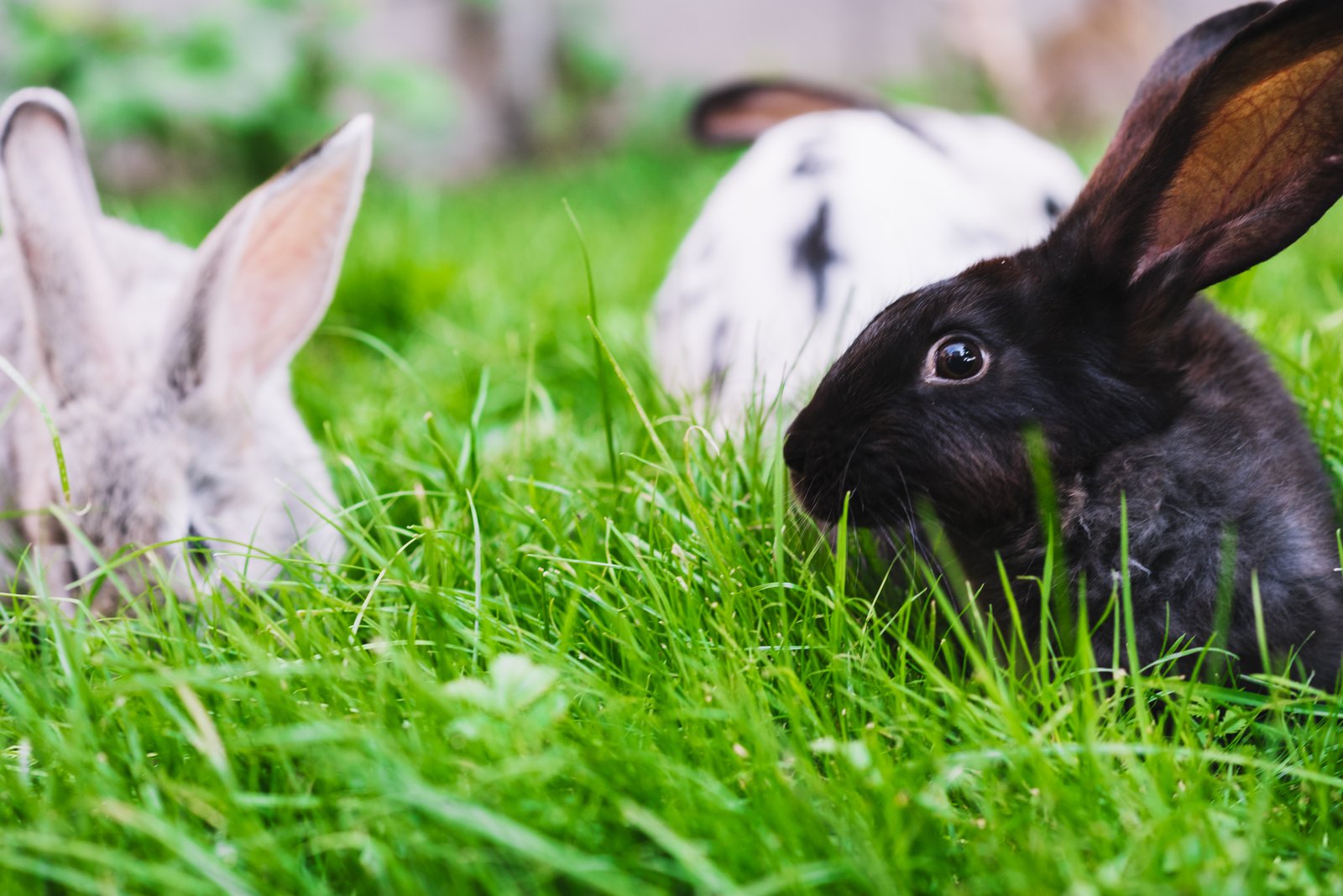
Wild rabbits in Sweden live mainly in the south of the country and in some towns, where descendants of feral pet rabbits have spread. In towns they often live in parks and on lawns. Outbreaks can sharply reduce their numbers.
Hares are at risk too
The second virus type also affects some hare species. In various European countries brown hares and other hares have been found dead from the disease. So hunters and nature watchers should also report unusual deaths among hares.
Is the disease dangerous to people and other animals?
Rabbit haemorrhagic disease is not dangerous to people. Dogs, cats and other pets do not catch it. But a dog can carry the virus on its paws or coat if it has sniffed a dead rabbit. After such walks, keep the dog away from your rabbits.
Rabbits as pets
Rabbits are among the most popular pets in Sweden and Europe. They need a spacious enclosure, hay, fresh vegetables, the company of other rabbits and regular check-ups at the vet. Vaccination is an important part of their care, just as it is for dogs and cats.
Myxomatosis
Besides haemorrhagic disease, rabbits are also threatened by myxomatosis, a viral disease spread by insects. There is a vaccine against it too, often combined with protection against haemorrhagic disease. Your vet will tell you which schedule your rabbit needs.
What this means for Europe
Rabbit haemorrhagic disease is widespread across Europe. The second virus type has caused outbreaks in the UK, France, Spain, Germany and Scandinavia. In many countries vets advise vaccinating all pet rabbits regularly, even those that live only indoors.
House rabbits
Many people think a rabbit kept in a flat is protected. But the virus can come in on shoes or with hay or grass. That is why vets advise vaccinating indoor rabbits that never go outside, too.
Shows and boarding
Rabbits at shows, in pet shops and at boarding facilities meet other animals. The risk of infection is higher there. Many organisers require proof of vaccination. If you board your rabbit, make sure all the animals there are vaccinated.
How surveillance works
SVA examines dead wild rabbits and hares to monitor disease. Reports from people who find dead animals are very important. The more finds reach the experts, the clearer the picture of where the danger is greatest.
Disinfection
If a sick rabbit has been in your home or run, clean everything thoroughly of droppings and bedding, then treat it with a product that works against this virus. Not every household cleaner is suitable, so ask your vet. Only get new rabbits after cleaning and vaccination.
Quarantine for new rabbits
Keep a new rabbit apart from the others for two to three weeks and take it to the vet. Ask the seller or rescue whether it has been vaccinated and when. If not, have it vaccinated before introducing it to your other animals.
How long the virus survives
The virus can remain infectious in animal carcasses for several months, especially in cold weather. It also lasts a long time on grass, in soil and on objects. That is why places where dead rabbits have been found remain dangerous for a long time.
What happens next
SVA is continuing to examine dead rabbits from Katrineholm to confirm or rule out the disease. The county board is monitoring the situation and will issue new advice if needed. Rabbit owners in Södermanland should check their animals' vaccinations now. This applies especially to those whose rabbits go outdoors or live near parks.
When to see a vet
If your rabbit becomes lethargic, stops eating, has a high temperature, blood or froth from the nose, bluish gums or laboured breathing, call a vet urgently. If a rabbit dies suddenly, tell the vet and do not handle your other rabbits without gloves.
Sources
- Länsstyrelsen Södermanland, 24 November 2026
- Södermanlands Nyheter, 24 November 2026