Contents
- What happened
- The farm will appeal
- Virus found on 15 November
- Only one site
- "They eat and drink as normal"
- Norway's largest outbreak on record
- The authority's view
- Industry support
- Half the pullet market
- Eggs for Christmas
- Why healthy-looking birds are culled
- Risk assessment
- How appeals work
- Disposal
- Compensation
- Risk to people
- What pullets are
- Why Rogaland
- Measures for bird keepers
- Hobby flocks
- Cats and dogs
- What this means for Europe
- The debate over the rules
- Vaccinating poultry
- How the virus gets onto a farm
- Why hatching eggs matter
- The Veterinary Institute
- Restriction zones
- Hard for people too
- What happens next
- When to see a vet
What happened
On Tuesday 24 November the Norwegian Food Safety Authority, Mattilsynet, ordered 225,000 young hens to be culled at the A&A Salte Kyllingoppdrett farm in Jæren, in the county of Rogaland. The aim is to stop bird flu spreading. The Norwegian public broadcaster NRK and the newspaper Stavanger Aftenblad reported it.
The farm will appeal
The farm said it would appeal the decision. In a press release it said it was deeply hurt that culling had been decided without first taking samples from the birds in these houses. The farm accepts that the decision lies with Mattilsynet, but cannot accept losing birds that look healthy.
Virus found on 15 November
Bird flu was detected at the Salte farm on 15 November. Since then the authority has been assessing the risk. The decision to cull the 225,000 pullets is based in part on a special risk assessment carried out by the Norwegian Veterinary Institute.
Only one site
The farm has two sites where birds are raised for hatching egg production. The decision concerns only one of them. In addition, three hobby flocks that received birds from the farm must also have their birds culled.
NRK; 25 November 2026
"They eat and drink as normal"
The farm wrote that this was a terribly hard time and that 225,000 fine pullets would now be destroyed. According to the farm, the birds are eating and drinking normally, mortality is low, and there have been no signs of disease in the other houses since the day the virus was found in the first house.
Norway's largest outbreak on record
The current bird flu outbreak is the largest in Norway's history. The virus has now been found on eight commercial farms: five in Rogaland, two in Agder and one in Akershus. The authority describes the situation as very hard for poultry farmers and the whole industry.
The authority's view
Explaining the decision, Mattilsynet's director general Ingunn Midttun Godal said bird flu is a highly contagious disease with major consequences if the infection spreads. That is why the rules require strict measures in an outbreak. She acknowledged that the situation is very demanding for the farmers affected.
Industry support
Anne-Synnøve Eiane, head of the Rogaland poultry association, backed the farm's appeal. She said the farm was fully entitled to appeal, that it was a desperate situation, and that it was very understandable that they would complain when the animals are healthy.
Half the pullet market
Ståle Hustoft, head of the Rogaland farmers' union, said Salte supplies about half of Norway's laying pullets. Farms buy young hens from it that then go on to lay eggs. He also said this was a case Mattilsynet must handle in line with its rules. The decision will hit those farms too.
Eggs for Christmas
According to Hustoft, egg supplies before Christmas will not be affected. But next year the consequences are likely to be felt. The farm warns that several producers could be left with empty hen houses and without their planned production.
Why healthy-looking birds are culled
In bird flu, birds can be infected without yet showing signs. The virus spreads quickly within a large flock. That is why veterinary authorities often cull all birds in a house or farm where there is a risk of infection, without waiting for them to fall ill.
Risk assessment
Culling decisions are based on a risk assessment: closeness to the infected house, shared staff and equipment, ventilation, and movements of feed and people. If houses are linked, the virus easily passes from one to another. The farm believes the risk has been overstated and disputes the assessment.
How appeals work
In Norway, Mattilsynet's decisions can be appealed. The authority first reviews the appeal itself, and if it does not change its decision, the case goes to the next level. NRK asked Mattilsynet how it views the appeal, but has had no answer yet.
Disposal
Culled birds in Rogaland are sent to Forus energigjenvinning, a waste-to-energy plant responsible for safely destroying the carcasses. Such facilities work under heavy pressure during large outbreaks.
Compensation
Norwegian farmers receive state compensation for birds culled on official orders. But it does not cover all losses: downtime, contracts and customer relations. For a farm that supplies half the country with pullets, the damage is enormous.
Risk to people
The risk of people catching bird flu is considered low. Infection is only possible through close contact with sick birds. Workers who cull the birds wear protective suits, masks and goggles. Eggs and meat from infected farms do not go on sale.
What pullets are
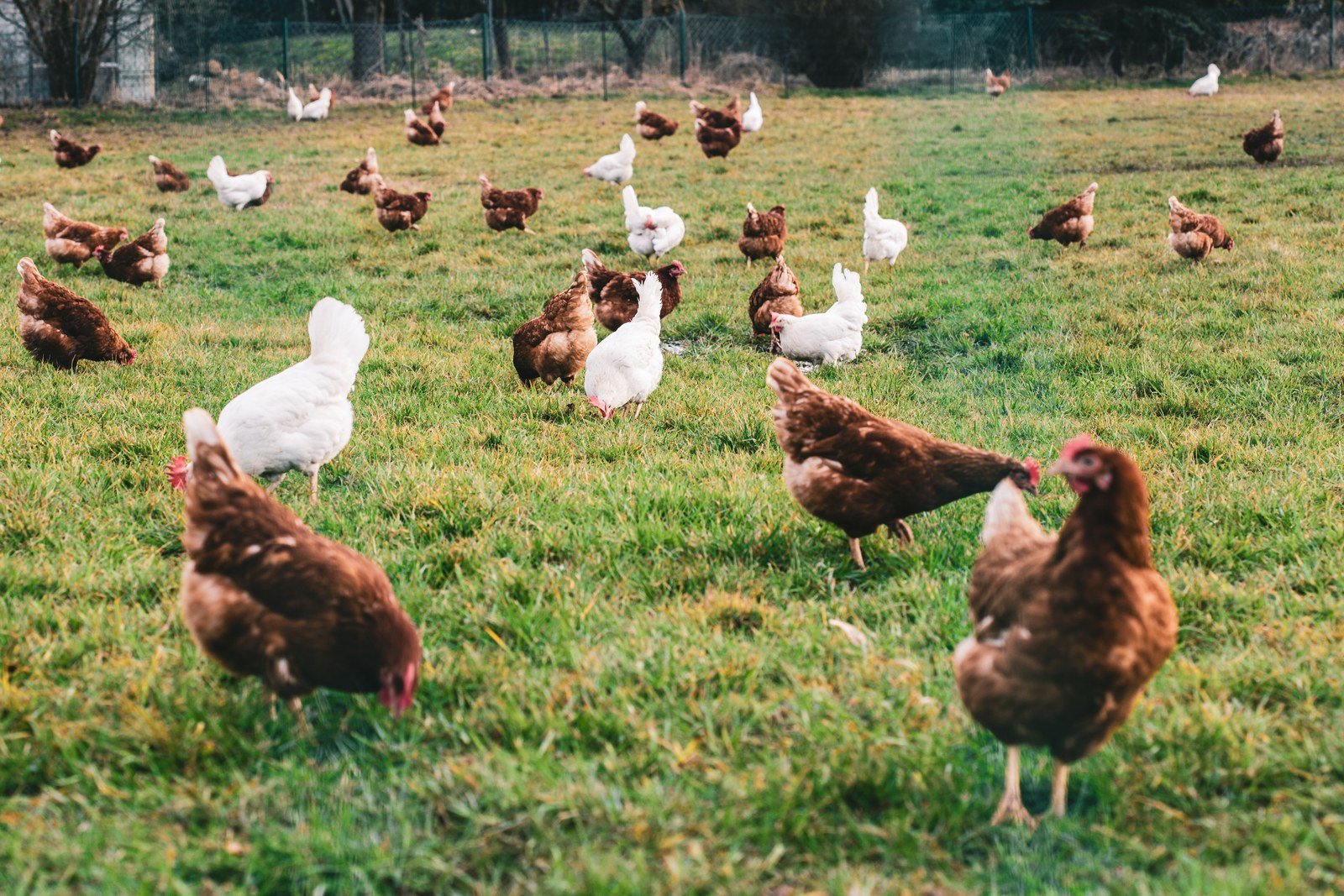
Pullets are young hens raised until they start laying and then moved to laying farms. Rearing them takes time and special conditions. That is why 225,000 birds cannot be replaced quickly.
Why Rogaland
Rogaland is one of Norway's main poultry and livestock regions. Farms are close together, and migratory bird routes pass nearby. So the virus can easily jump from wild birds to poultry and between farms.
Measures for bird keepers
In outbreak areas, bird keepers must keep their birds indoors, prevent contact with wild birds, limit access for outsiders and wash footwear and equipment thoroughly. The authority sets up restriction zones around infected farms.
Hobby flocks
Three hobby flocks that bought birds from the farm must also cull them. This shows how far the virus can travel with birds that are sold. Only buy birds from trusted sellers and with documents.
Cats and dogs
The H5N1 virus can infect cats and other mammals. Do not let cats catch birds and do not feed pets raw poultry. Dogs should not sniff dead birds on walks.
What this means for Europe
Bird flu is active across Europe this autumn. Norway, Sweden, Denmark, Germany, the Netherlands, Poland and France are all reporting outbreaks on farms. The Salte decision shows how strict disease control rules collide with the interests of farms and the market.
The debate over the rules
Farmers in various countries are increasingly arguing with the authorities about whether birds should be culled without testing. Vets reply that waiting for results is dangerous, because the virus can spread further in the meantime. The EU is also discussing poultry vaccination as a way to reduce such losses.
Vaccinating poultry
Some European countries already vaccinate poultry against bird flu; France, for example, vaccinates ducks. Norway does not yet do so. Vaccination can reduce losses but requires strict monitoring and the agreement of trading partners.
How the virus gets onto a farm
Even when birds live in a closed house, the virus can get in on footwear, clothing, vehicle wheels, feed or bedding. Wild birds leave droppings around farms. That is why large farms strictly separate clean and dirty zones and disinfect everything that enters the poultry house.
Why hatching eggs matter
The Salte farm produces hatching eggs and rears pullets for other farms. This is the start of the entire egg production chain. If such a farm stops, laying farms do not get new birds, and egg production falls after a while.
The Veterinary Institute
The Norwegian Veterinary Institute tests samples and assesses the risk of disease spread. Its assessments form the basis for Mattilsynet's decisions. In the Salte case, the institute's special risk assessment was one of the main arguments for culling.
Restriction zones
Around infected farms, Mattilsynet sets up protection and surveillance zones. Movements of poultry, eggs and manure are restricted there, and neighbouring farms are checked. Restrictions are lifted when there have been no new cases for several weeks.
Hard for people too
For poultry farmers, culling a flock is not just about money. People raise and care for their birds every day for years. The Salte farm wrote that these were animals it had looked after every day. Industry bodies point out that farmers in this situation also need support.
What happens next
The farm is preparing its appeal, and Mattilsynet has not yet told NRK how it views it. The authority continues to monitor other farms in Rogaland, Agder and Akershus. The industry is bracing for a shortage of pullets next year.
When to see a vet
If your hens suddenly die, stop eating, drinking or laying, their combs turn blue, their heads swell or they wheeze, tell a vet and the veterinary authorities immediately. If a cat has been in contact with a dead bird and falls ill, have it examined too.
Sources
- NRK Rogaland, 25 November 2026