Contents
- What happened
- The first case in Cantabria
- A disputed statement
- Why Shamonda is dangerous
- No deaths does not mean no damage
- No vaccine
- The minister's reply
- Bluetongue vaccines
- "The vaccines are free"
- Betting on surveillance
- Other measures
- What Shamonda virus is
- Calf deformities
- Culicoides midges
- How to fight midges
- Timing of breeding
- Passive surveillance
- Why there are more diseases
- Politics and animal health
- What farmers should do
- Risk to people and dogs
- Dairy Cantabria
- The Schmallenberg experience
- What this means for Europe
- When to see a vet
What happened
On 11 November 2026, the Spanish veterinary publication Diario Veterinario reported on a row in the parliament of the autonomous community of Cantabria in northern Spain. Vox MP Leticia Díaz demanded more resources to prevent livestock diseases, above all Shamonda virus. The region's agriculture minister, María Jesús Susinos, defended the government's actions.
The first case in Cantabria
The row was triggered by the first positive case of Shamonda virus detected in Cantabria. It is a relatively new disease in Europe that many farmers had not heard of before. In 2026 the virus had already been found in livestock in other countries, including the UK. Now it has appeared in Cantabria, one of Spain's main dairy regions.
A disputed statement
Díaz criticised the minister for remarks made on 7 October. According to her, Susinos said at the time that the virus is not transmitted directly from animal to animal and does not require culling. In the MP's view, this explanation created a sense of calm that does not reflect the real economic impact of the infection on farms.
Why Shamonda is dangerous
The MP listed the consequences of infection: digestive problems, lower milk yields and reproductive disorders, including abortions, embryo resorption and foetal deformities. On a dairy farm already operating at the limit of its costs, she said, losing 20% of milk or losing calves to abortion means ruin.
Diario Veterinario; 11 November 2026
No deaths does not mean no damage
Díaz stressed that the absence of animal deaths and compulsory culling does not mean the disease is harmless. Farmers lose production, spend money on vets and lose future heifers for herd replacement. For Cantabria's family dairy farms, this can be as heavy a blow as diseases with high mortality.
No vaccine
There is no specific vaccine against Shamonda virus yet. Since no vaccine exists today, Díaz said, the only barrier is fighting the vector, the Culicoides midge. She proposed that Cantabria set aside dedicated funds for insect control and other preventive measures, as other Spanish regions do.
The minister's reply
Susinos recalled the state the sector was in when she took office: many farms had been hit by epizootic haemorrhagic disease. She said the regional government allocated €5 million to fighting that disease, for compensation for dead animals, treatment and insect control.
Bluetongue vaccines
Cantabria spent another €2 million on vaccines against bluetongue serotypes 3, 4 and 8. According to the minister, data from Spain's agriculture ministry show that, unlike neighbouring regions, Cantabria had no positive bluetongue cases until recently. No epizootic haemorrhagic disease has been detected for the past two years.
"The vaccines are free"
Susinos replied that the vaccines are free because vaccination is one of the best forms of prevention. She described the vaccine bank set up in the region, from which Cantabrian farmers can obtain vaccines free of charge. Half a million euros for last year's vaccines will be paid in the coming days, she said.
Betting on surveillance
The minister highlighted the work of Cantabria's passive animal disease surveillance network and thanked field vets. Early detection, rapid diagnosis and coordination with farms are the basis for staying ahead of diseases and acting in time, she said. It was thanks to surveillance that the first case of Shamonda was detected.
Other measures
Susinos listed measures taken in recent years: movement restrictions, bans on moving animals off farms, closure of livestock fairs and biosecurity measures. She said Cantabria banned poultry gatherings and movements because of bird flu before the national ministry did and took measures against lumpy skin disease. That, the minister said, is what protecting animal health and the future of our farmers means.
What Shamonda virus is
Shamonda virus belongs to the same group of viruses as Schmallenberg virus, which emerged in Europe in 2011. It is spread by tiny biting midges of the genus Culicoides. Adult cattle often have mild illness, but if a pregnant animal is infected, the virus can affect the foetus and cause abortion or deformities.
Calf deformities
When infection occurs at a certain stage of pregnancy, calves may be born with bent joints and spines, underdeveloped brains and other defects. Such calves are often stillborn or not viable, and difficult calvings also put cows at risk. These effects are usually seen several months after the midge season.
Culicoides midges
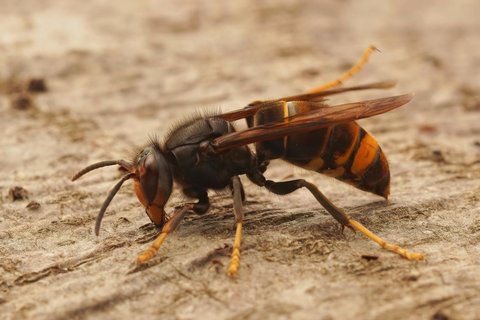
Culicoides midges are very small, only 1–3 millimetres long. They are active at dusk and at night, especially in warm, humid weather, and breed in wet soil, manure and near water. The same midges carry bluetongue and epizootic haemorrhagic disease viruses. So controlling them protects against several diseases at once.
How to fight midges
Midges cannot be wiped out completely, but bites can be reduced:
- Treat animals and buildings with approved insect repellents.
- House cattle at dusk and at night during the midge season.
- Remove manure and drain wet areas around farms.
- Use netting and fans in cattle sheds.
- Plan breeding so that early pregnancy does not coincide with peak midge activity.
Timing of breeding
Some vets advise taking the midge season into account when planning breeding. If the most sensitive period of pregnancy does not coincide with peak vector activity, the risk of calf deformities is lower. This is not always possible on dairy farms that calve year-round, but it is more realistic for beef herds.
Passive surveillance
Passive surveillance is a system in which vets and farmers report suspicious cases and laboratories test them. It depends on how attentive people on the ground are. The more often farmers call a vet for abortions and unusual calvings, the sooner the authorities learn about new diseases. In the UK, unusual abortions and deformities should be reported to a vet and can be investigated by APHA.
Why there are more diseases
Spain, like the rest of Europe, has faced a wave of insect-borne diseases in recent years: new bluetongue serotypes, epizootic haemorrhagic disease, and Schmallenberg and Shamonda viruses. Scientists link this to a warming climate: midges stay active longer and are spreading north.
Politics and animal health
The row in Cantabria shows how livestock health issues become political. The opposition demands more money and action, and the government reports on what it has done. For farmers, what matters most is that measures are fast and predictable and that information about risks is honest.
What farmers should do
Farmers are advised to report every abortion, stillborn or deformed calf and unexplained drop in milk yield to their vet. It is important to keep the aborted foetus and afterbirth for testing. Only a laboratory test can show whether Shamonda, Schmallenberg or another infection is to blame.
Risk to people and dogs
Based on current knowledge, Shamonda virus is not dangerous to people. Dogs and cats do not get it either. But herding and guard dogs on farms can suffer from bites by the same insects and from other diseases carried by midges and mosquitoes, so they also need protection against insects.
Dairy Cantabria
Cantabria is a green, wet region on the Bay of Biscay coast, where dairy farming has been the backbone of the rural economy for centuries. Many farms here are small family businesses. For them, losing a few heifers or a noticeable drop in milk yield over a season is a real blow. That is why any new livestock disease triggers a strong reaction in the region.
The Schmallenberg experience
When the related Schmallenberg virus appeared in Europe in 2011–2012, farmers in Germany, the Netherlands, Belgium, France and the UK faced a wave of deformed lambs and calves. A vaccine against Schmallenberg was later developed, and many animals became immune after infection. The experience of that epidemic helps vets understand what to expect from Shamonda.
What this means for Europe
Shamonda virus is an example of a new threat slowly spreading across Europe. After the UK, it has been detected in Spain and is likely to be found in other countries. Without a vaccine, the main weapons are surveillance, farmers reporting abortions and midge control. Cantabria's experience with a vaccine bank and a surveillance network may be useful to other regions too.
When to see a vet
Call a vet for every abortion in cows, sheep and goats, for stillborn or deformed calves and lambs, difficult calvings, a sharp drop in milk yield, fever or diarrhoea in adult animals. Keep the foetus and afterbirth until the vet arrives: they are needed for testing.
Sources
- Diario Veterinario, 11 November 2026