Contents
- What happened
- The number of attacks
- An outdated plan
- Farmers' alarm
- From return to coexistence
- Protecting flocks
- Compensation
- Deterrence
- Culling "problem" wolves
- What makes a "problem" wolf
- Interim measures
- How to protect a flock
- Guardian dogs
- Wolves and pet dogs
- What to do if you meet a wolf
- Why wolves have returned
- Changes to protection in the EU
- The wolf debate
- Animal health after an attack
- Confirming an attack
- Stray dogs attack too
- Wolves and wild prey
- Neighbours' experience
- Residents' views
- What this means for Europe
- When to see a vet
What happened
On 10 November 2026, the Belgian public broadcaster RTBF set out what to expect from Wallonia's new wolf plan. Since the start of the year, wolves have attacked domestic animals in several districts of Liège province. Local mayors are demanding more information and are waiting for the new plan, which the regional government has promised to present by the end of the year.
The number of attacks
Since the start of the year, 141 wolf attacks on domestic animals have been recorded in Wallonia. The Verviers district has been hit hardest, with 58 attacks, more than a third of all cases in the region. Wolves most often attack sheep, but other animals kept on pasture also fall victim.
An outdated plan
Wallonia's current wolf plan was adopted in 2020. At that time there were hardly any wolves in the region, and the document was designed for rare appearances of the predator. Since then wolves have settled in several areas, their numbers have grown, and the old rules no longer match reality.
Farmers' alarm
Victoria Vandeberg, mayor of the municipality of Jalhay, describes the mood among local people. The main problem for livestock keepers and owners, she says, is the growing distress of going to their flock in the morning and finding there has been another attack overnight. She says there are more wolves, they are more visible, and residents are increasingly afraid.
RTBF; 10 November 2026
From return to coexistence
With the new plan, the Walloon government wants to change its approach. Previously the focus was on the wolf's return to the region; now it is on coexistence between people, livestock farming and the predator. It is an acknowledgement that the wolf is no longer an occasional visitor to Wallonia but a permanent resident, and that the rules must take everyone's interests into account.
Protecting flocks
The first strand of the plan is stronger flock protection, not only in areas where wolves live permanently but beyond them too. Wolves quickly colonise new territory, and attacks happen where they are not yet expected. That is why support for flock protection is to be made available to more farmers.
Compensation
The second strand is to simplify and extend compensation for farmers who have lost animals to wolves. At present, getting a payment can be difficult: it has to be proven that a wolf was responsible and a number of conditions must be met. Farmers have long complained about red tape and delays.
Deterrence
The third strand is to allow specially trained agents to fire non-lethal shots to scare wolves away. The aim is to teach predators to keep away from people and flocks. Such measures are already used in some European countries, for example in France, which has dedicated wolf brigades.
Culling "problem" wolves
The fourth and most controversial strand is to allow a "problem" wolf to be culled in certain cases. This must happen within the European rules that protect the species. The government stresses that it is talking about exceptional cases, not regular wolf hunting.
What makes a "problem" wolf
The key question is which wolf counts as a problem. Wallonia's minister for forests and nature, Anne-Catherine Dalcq, has promised to agree the criteria with all stakeholders. She said the conditions under which a wolf is deemed a problem would be discussed with everyone to determine when it puts too much pressure on livestock farming and makes coexistence impossible.
Interim measures
Until the new plan takes effect, the minister has ordered interim measures. Agents of the Department of Nature and Forests (DNF) are carrying out patrols, light and sound deterrents are being installed, and deterrent shooting has been authorised in some critical areas. These measures are intended to reduce the number of attacks until the new plan comes into force.
How to protect a flock
Specialists name several ways to protect sheep and goats from wolves:
- Electric fences of sufficient height with several strands of wire.
- Night pens where the flock is gathered after grazing.
- Livestock guardian dogs that live with the flock.
- Light and sound deterrents, which need to be changed regularly.
- People on the pasture during high-risk periods.
Guardian dogs
Livestock guardian dogs are one of the most effective means of protection. Large breeds raised with sheep protect them from predators. But these dogs must be properly trained, fed and cared for, and walkers need to know not to approach a flock guarded by such dogs. In some regions this is already causing conflicts with visitors.
Wolves and pet dogs
Wolves can also attack pet dogs, especially if they roam off the lead in the forest or live in a yard without protection. To a wolf, a dog may be a rival on its territory or prey. In areas where wolves live, it is best to walk dogs on a lead, especially at dusk, and not to leave them outside overnight without shelter.
What to do if you meet a wolf
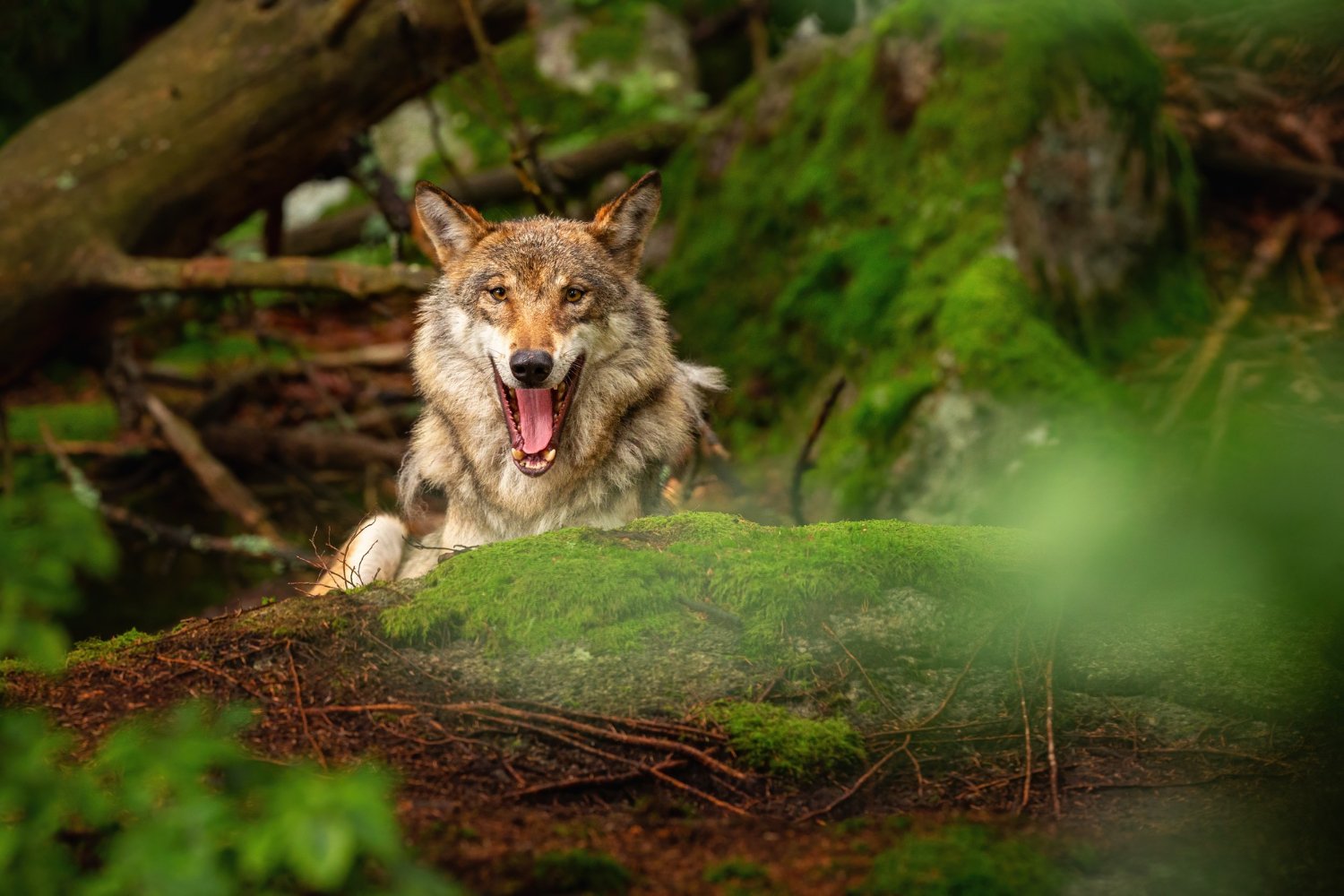
Wolves usually avoid people. If you see a wolf, do not approach or feed it. Stop and give it the chance to leave. If the wolf comes closer, make yourself more visible, speak loudly, do not turn your back and do not run. Keep your dog close on a short lead.
Why wolves have returned
Wolves are returning to Western Europe thanks to strict protection, the growth of forests and larger numbers of hoofed animals such as red deer, roe deer and wild boar. Young wolves leave their family packs and travel hundreds of kilometres looking for new territory. That is how they came from Germany and France to Belgium and the Netherlands.
Changes to protection in the EU
In recent years the EU and the Council of Europe have lowered the wolf's protection status from strictly protected to protected. This gives countries more scope to manage wolf numbers but does not remove the obligation to keep the species in good condition. Every cull must still be justified.
The wolf debate
The wolf is a hotly debated issue. Farmers feel their losses are underestimated and that protecting the predator is put ahead of their livelihoods. Conservationists point out that wolves regulate numbers of hoofed animals and benefit forests. The Walloon authorities are trying to strike a balance, but any decision will displease one side or another.
Animal health after an attack
Animals that survive a wolf attack often have deep bites, torn wounds and fractures. Even small wounds can become infected. Survivors in the flock can also suffer severe stress: sheep may eat less and miscarry. A vet can treat the wounds and assess the state of the flock.
Confirming an attack
To receive compensation, specialists usually need to confirm that a wolf was responsible. It is important not to move the carcasses, to photograph the scene and to report it immediately to the service that deals with wolves. DNA analysis of bite marks helps distinguish a wolf attack from one by stray dogs.
Stray dogs attack too
Not all attacks on sheep are by wolves. A significant share of the damage is caused by stray and unsupervised pet dogs. Dog owners are responsible for their animals, and if a dog attacks livestock they will have to pay for the damage. That is why dogs in the countryside must not be allowed to roam unsupervised.
Wolves and wild prey
The main prey of wolves in Europe is wild hoofed animals: roe deer, red deer and wild boar. Sheep and goats on pasture are easy prey for a wolf, especially if they are unguarded. So there are more attacks where there is a lot of unprotected livestock. Good flock protection forces wolves to switch to wild animals, and conflicts decrease.
Neighbours' experience
In Germany, where Belgium's wolves came from, people have lived with the predator for more than two decades. Germany has set up wolf competence centres, support programmes for farmers and rules for confirming attacks. The Netherlands, where wolf numbers are also rising, is discussing similar measures. Wallonia can draw on its neighbours' experience rather than starting from scratch.
Residents' views
Wolves arouse mixed feelings among residents: some welcome the return of wild nature, others fear for their children, dogs and livestock. The authorities acknowledge that fear is also a reality to be addressed. Honest information about where wolves live and how to behave if you meet one helps to reduce anxiety.
What this means for Europe
Wallonia is one of many European regions where the wolf's return requires new rules. Germany, France, the Netherlands, Switzerland and other countries are also revising their approaches. Wallonia's four strands — protection, compensation, deterrence and limited culling — reflect a wider European search for a balance between protecting the species and people's interests. In the UK, where there are no wild wolves, the debate mostly concerns livestock worrying by dogs.
When to see a vet
Call a vet if sheep, goats or other animals have been injured in an attack: even small bites can become infected. Urgent help is needed for deep wounds, bleeding, fractures and severe weakness. Take your dog to the vet if it has fought with a wolf or another wild animal, even if there are no visible wounds.
Sources
- RTBF, 10 November 2026