Contents
- What happened
- What the cameras showed
- Who filmed it
- Why hidden cameras
- The regulator's reaction
- Police open an investigation
- Who could become a suspect
- What the farmer says
- Guldfågeln's response
- Why it matters
- How broilers live
- The most dangerous moments
- What the law says
- European rules
- Stunning and killing
- The role of training
- The debate over hidden cameras
- Similar cases in Europe
- What shoppers can do
- How to report cruelty
- Welfare of backyard hens
- How to recognise an injured bird
- Who Djurrättsalliansen are
- How inspections work in Sweden
- The buyer's responsibility
- Stress in chicks
- What happens next
- When to see a vet
What happened
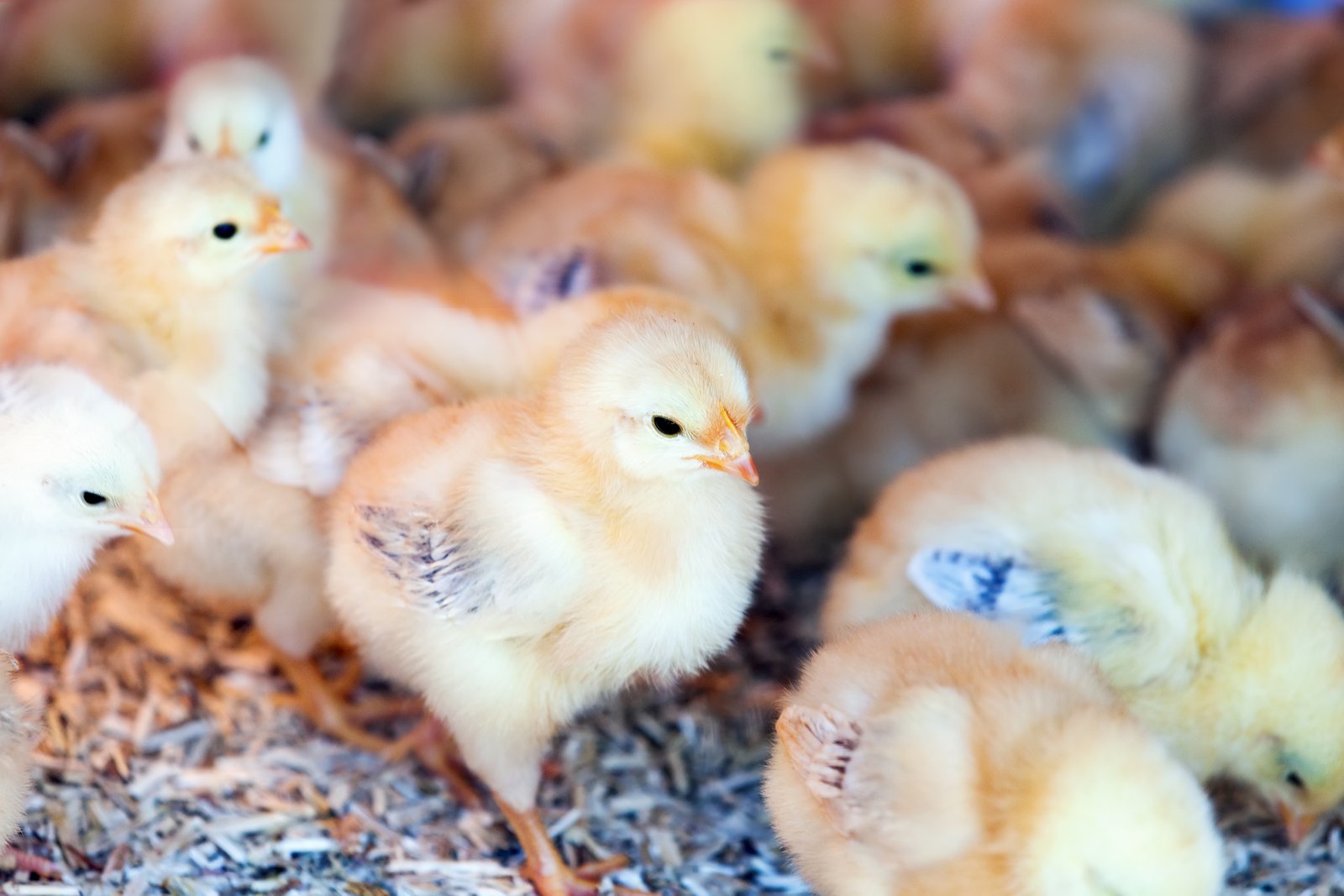
On 18 November the Swedish newspaper Aftonbladet published footage filmed with hidden cameras on a poultry farm. The farm raises broilers and supplies them to the slaughterhouses of one of Sweden's biggest chicken producers, Guldfågeln. The footage shows workers handling the chicks roughly and cruelly.
What the cameras showed
In the footage, chicks are thrown on the floor, kicked and squeezed into transport crates. Birds are pushed and tossed around. The newspaper highlighted the contrast: the producer advertises its animal husbandry as “world-class”, but the cameras showed a very different picture.
Who filmed it
The footage was filmed by the animal rights organisation Djurrättsalliansen. Its activists monitored work on the farm for several months using secretly installed cameras. The material was then shown in the newspaper's investigative programme.
Why hidden cameras
Malin Gustafsson from the organisation explained why they work covertly: “These are very large and closed industries that don't themselves show the whole truth about how the animals live and how they're treated. That's why we go into such places secretly to document what's happening.”
Aftonbladet; 20 November 2026
The regulator's reaction
In Sweden, county administrative boards are responsible for animal welfare inspections. When their staff saw the footage, they immediately reported suspected animal cruelty to the police. This is the standard route: if inspectors see signs of a crime, the case is passed to the police.
Police open an investigation
On 20 November police announced that they had opened a preliminary investigation. “We have opened an investigation based on the videos shown by Aftonbladet,” said a police inspector. She said she had only just begun looking at the case and would examine what procedures the company has and whether they have shortcomings.
Who could become a suspect
There are no suspects yet, but police are working on it. An important part of the investigation is identifying the people in the footage and questioning them. The inspector added that if it turns out the farm's owners told workers to handle the birds that way, they could also become suspects and face prosecution.
What the farmer says
The farm's owner told journalists he hadn't known how workers were handling chicks on his farm. Under Swedish law, responsibility for complying with animal welfare rules lies with the keeper of the animals, and the investigation should establish whether he knew about the breaches.
Guldfågeln's response
Guldfågeln's chief executive Peter Andersson declined a TV interview but wrote to the newspaper that the company takes what happened seriously. It has launched a special review of the supplier and demanded that shortcomings be put right. Procedures for handling, stunning and killing the birds must be reviewed, and staff must receive the necessary knowledge and training.
Why it matters
Sweden is proud of having some of the strictest animal welfare rules in Europe. Many shoppers choose Swedish chicken precisely for that reason. The footage shows that even with strict rules, breaches can happen on individual farms, and that constant monitoring is needed.
How broilers live
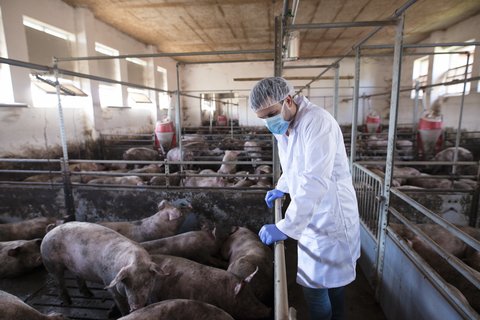
Broilers are chickens of meat breeds that grow very fast. They're usually reared in large sheds on litter and sent to slaughter at around five to six weeks of age. The rapid growth puts strain on their legs and heart, so housing conditions and handling are particularly important.
The most dangerous moments
For broilers, catching and loading before transport to the slaughterhouse are particularly risky. Birds are gathered by hand or by machine and placed in crates. With rough handling they can suffer broken wings and legs, bruising and internal injuries. This is the stage at which rules are most often broken.
What the law says
Sweden's Animal Welfare Act requires animals to be treated well and protected from unnecessary suffering. Animal cruelty is a criminal offence, punishable by a fine or imprisonment. A court can also ban a person from keeping animals or working with them.
European rules
The EU has common rules on keeping broilers, transporting animals and slaughter. They limit stocking densities in sheds and require staff training and proper stunning before slaughter. The EU is currently reviewing its animal welfare legislation, and animal welfare campaigners are pushing for stricter requirements.
Stunning and killing
The company specifically mentioned procedures for stunning and killing. Sick or injured chicks sometimes have to be killed on the farm. This must be done quickly and correctly by trained staff so that the bird doesn't suffer. Incorrect killing is one of the most common breaches found by animal welfare groups.
The role of training
Workers who handle animals must be trained. This is required by both Swedish and European rules. Training covers how to pick up a bird correctly, how to load it into crates and how to recognise a sick animal. Guldfågeln is now requiring the supplier to check that all staff have been trained.
The debate over hidden cameras
Filming with hidden cameras on farms is controversial. Farmers see it as trespassing on private property. Animal rights activists say there's no other way to show reality. Swedish authorities and police nevertheless accept such footage as grounds for inspections and investigations.
Similar cases in Europe
Similar investigations take place regularly in different European countries. Hidden-camera footage from farms and slaughterhouses in Germany, France, the UK and the Netherlands has repeatedly led to criminal cases, closures and tighter controls. Many large companies have installed cameras in slaughterhouses themselves after such cases. In England, CCTV in slaughterhouses has been compulsory since 2018.
What shoppers can do
Shoppers can influence the conditions animals are kept in through their choices. In Sweden and elsewhere there are labels indicating higher welfare standards, such as slower-growing breeds, lower stocking densities and outdoor access. Such products cost more but support better conditions.
How to report cruelty
- Note the place, time and exactly what you saw.
- Take photos or video if it's safe and legal to do so.
- Report it to the relevant authority or the police.
- Don't intervene physically.
- Keep the evidence for inspectors.
Welfare of backyard hens
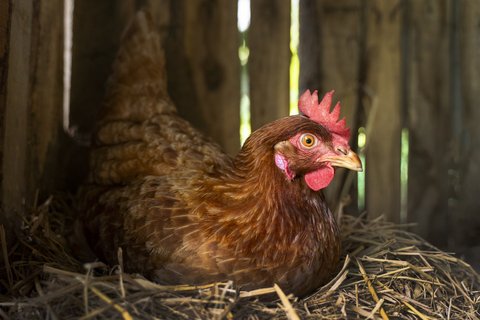
This case concerns an industrial farm, but the rules on handling birds are the same for everyone. Hens mustn't be grabbed by a wing or a leg in a way that injures them. The right way to pick up a hen is with both hands, holding the wings against the body. A sick bird should be shown to a vet, not left to suffer.
How to recognise an injured bird
An injured hen limps, holds one wing drooping, sits hunched and refuses food. If a bone is broken, the leg or wing may be bent unnaturally. Such birds need to be examined by a vet. On large farms, a vet checks the flock regularly and decides whether a bird can be treated.
Who Djurrättsalliansen are
Djurrättsalliansen is a Swedish animal rights organisation. It's known for investigations on farms, in slaughterhouses and on fur farms carried out with hidden cameras. Its material has repeatedly prompted inspections by county boards. Farmers and producers are wary of its methods and see covert filming as trespass on private premises.
How inspections work in Sweden
Welfare inspections of farm animals in Sweden are carried out by county administrative boards. Their inspectors check farms on a schedule and in response to complaints: they look at housing conditions, the animals' state, treatment records and staff training. If they find breaches, they demand corrections and, in serious cases, pass the case to the police or prosecutors.
The buyer's responsibility
Large producers and retail chains in Sweden require suppliers to meet not only the law but also their own standards. Companies carry out their own farm audits, and some use cameras in loading areas and slaughterhouses. The Guldfågeln case shows that scheduled inspections aren't enough: breaches can happen when inspectors aren't around.
Stress in chicks
Rough handling harms birds not only through injuries. Fear and pain cause severe stress, which weakens the immune system and worsens the birds' condition. Vets point out that calm handling, dimmed lighting during catching and careful loading reduce injuries and deaths during transport.
What happens next
Police are continuing the investigation, identifying the workers in the footage and examining procedures on the farm. Guldfågeln is reviewing the supplier. The county board may carry out an unannounced inspection on the farm. If guilt is proven, the workers and possibly the owners could face court.
When to see a vet
If your hens start limping, hold a wing drooping, have wounds or are bleeding, or if a bird sits hunched and won't eat, show it to a vet. If several birds in your flock suddenly fall ill or die, contact a vet urgently: it could be a sign of infection, including bird flu.
Sources
- Aftonbladet, 18 November 2026
- Aftonbladet, 20 November 2026