Contents
- What happened
- Why the restrictions were brought in
- What the rule requires
- The minister's words
- The swans in Offaly
- What the minister said about the swans
- Biosecurity comes first
- The link with Northern Ireland
- New biosecurity rules
- How to report a dead bird
- Risk to people
- Why swans
- Risk to dogs
- Risk to cats
- Signs in poultry
- What hen keepers should do
- A few hens in the back garden
- How to adapt a hen run
- Welfare of housed birds
- Why it matters for the sector
- The European picture
- Food is safe
- If you walk by the water
- How long the restrictions will last
- Ireland's migratory visitors
- What happens next
- When to see a vet
What happened
On 18 November Ireland's Minister for Agriculture, Food and the Marine Martin Heydon announced that from the following Monday, 23 November, all poultry and captive birds must be kept indoors or in closed enclosures. Two days later, in County Offaly in the middle of the country, bird flu was confirmed in two dead wild swans.
Why the restrictions were brought in
The minister gave several reasons for the decision: bad weather, a sharp drop in temperatures and the changing epidemiological situation on the island. In cold weather the virus survives longer in the environment, and migratory birds that come to Ireland for the winter spread it across waterways and fields.
What the rule requires
From 23 November, birds must be kept so that they have no access to other poultry, captive birds or wild birds. In practice this means a closed hen house or an enclosure with netting on top and at the sides, feed and water inside, and no free ranging.
The minister's words
“I am taking these timely measures to reduce the threat to our poultry sector and farmers' livelihoods,” said Martin Heydon. He said limiting contact with wild birds was a key protective measure, as it's one of the main ways the virus spreads.
The Irish Times; 20 November 2026
The swans in Offaly
On 20 November it emerged that two dead wild swans in County Offaly had been infected with highly pathogenic bird flu. They were found as part of ongoing surveillance of wild birds. Offaly lies in the middle of Ireland, a land of rivers, lakes and bogs where many waterbirds spend the winter.
What the minister said about the swans
“The detection of avian influenza in two wild birds shows once again that the risk to poultry is currently high,” Heydon said. He called on all bird keepers, whether commercial farms or a few hens in the back garden, to follow strict biosecurity.
Biosecurity comes first
The minister stressed that strict biosecurity remains the most important preventive measure. It's what stops the virus passing from wild birds to domestic ones and from one flock to another. Any suspicion of bird flu must be reported without delay to the Regional Veterinary Office.
The link with Northern Ireland
Ireland and Northern Ireland share one island, and birds don't recognise borders. In Northern Ireland, mandatory housing has been in force since 19 November after an outbreak on a commercial poultry farm in County Tyrone. The Department in Dublin is working closely with its northern neighbour.
New biosecurity rules
New biosecurity regulations for poultry are also coming into force in Ireland this week. They set out how poultry houses must be protected, how feed and bedding should be stored and how footwear and vehicles must be disinfected. The requirements are particularly strict for keepers who sell eggs or meat.
How to report a dead bird
People are advised not to touch sick or dead wild birds. Finds can be reported through the Avian Check app. Poultry keepers must report signs of disease to their Regional Veterinary Office, or out of hours to the National Disease Emergency Hotline.
Risk to people
The HSE and the Health Protection Surveillance Centre point out that bird flu can be passed to humans. But the risk is considered low for the general public and low to moderate for people who come into contact with birds through their work. These include farm workers, vets and staff who collect dead birds.
Why swans
Swans, geese and ducks are particularly often victims of bird flu. They live in large groups on water, where the virus spreads easily through water and droppings. Swans cope badly with the disease and often die, so dead swans are frequently the first sign of the virus in an area.
Risk to dogs
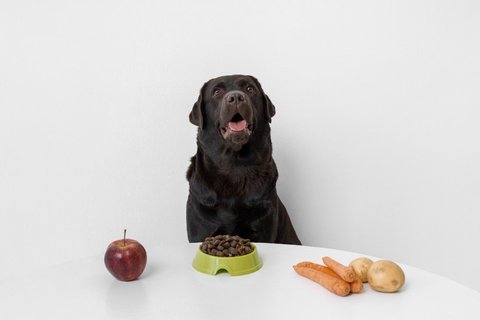
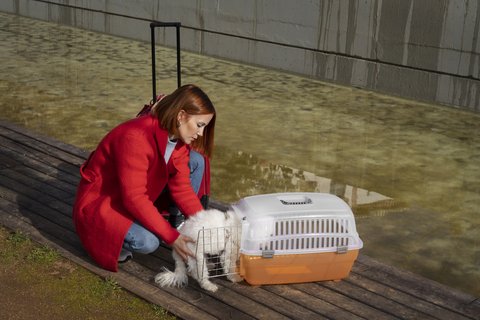
Dogs like to pick up dead birds on the shore or chase ducks. During the bird flu season this is dangerous: although dogs rarely become infected, cases are known. A dog can also carry the virus home on its paws and coat, into a garden where hens are kept. So near water it's best to keep your dog on a lead.
Risk to cats
Cats catch bird flu more often than dogs, usually after catching or eating a sick bird. In cats the disease can be severe: a high temperature, lethargy, difficulty breathing, seizures and blindness. During the risk season it's best to limit outdoor access for cats that go out, especially near water.
Signs in poultry
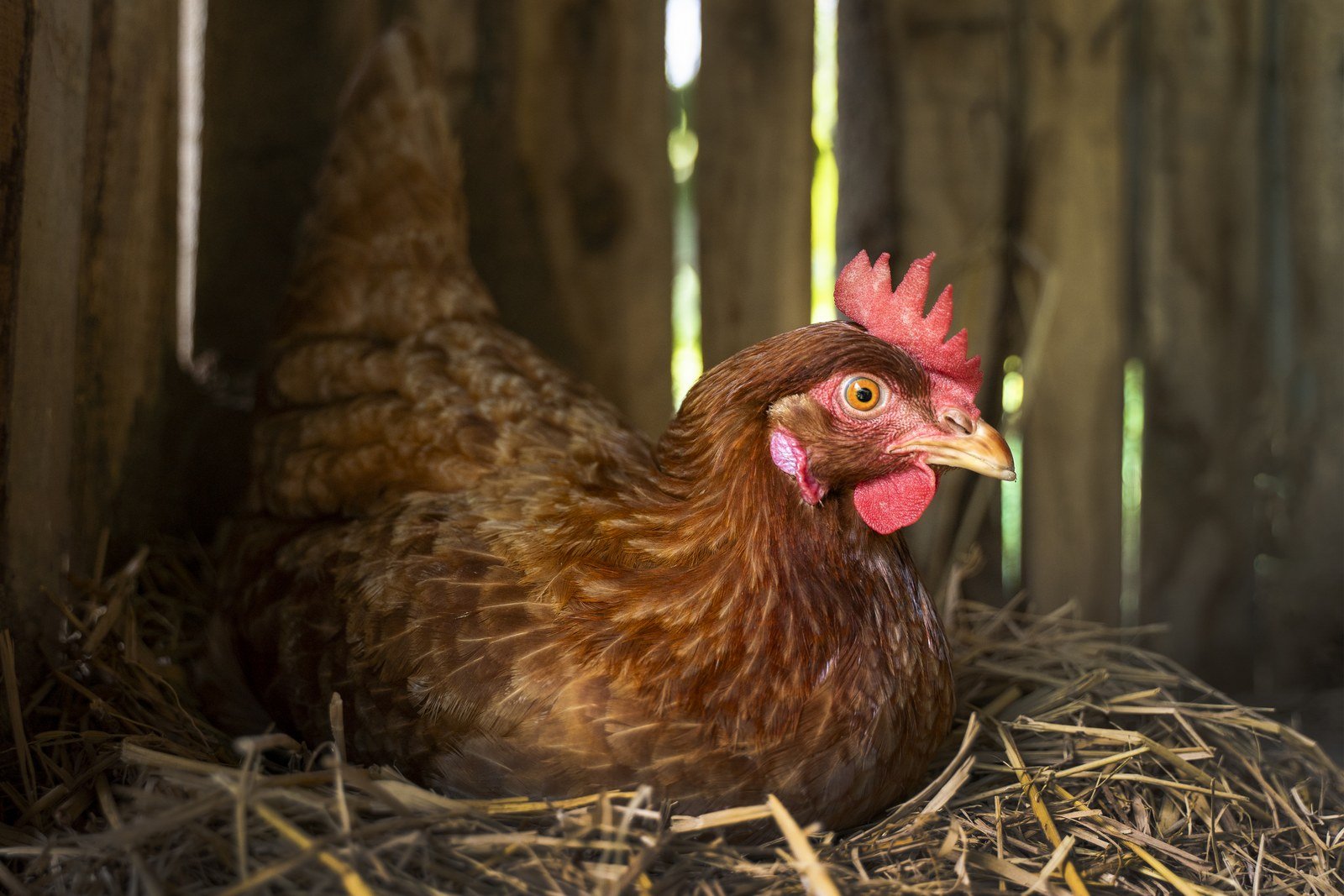
In hens, bird flu often shows up as the sudden death of several birds. Other signs are lethargy, refusing food and water, a sharp drop in egg production, swelling of the head and neck, a bluish comb, difficulty breathing and diarrhoea. Ducks and geese may show almost no signs but can spread the virus.
What hen keepers should do
- From 23 November, keep your birds in a closed hen house or enclosure.
- Feed and water birds inside, with no access for wild birds.
- Use separate footwear and clothing for the hen house.
- Don't let visitors near your birds.
- Report any unusual deaths among your birds to a vet.
A few hens in the back garden
Many people in Ireland keep a few hens for their own eggs. The minister addressed them directly: the rule applies to everyone, whatever the size of the flock. Even a small hen run needs netting on top so that wild birds can't land inside and leave droppings.
How to adapt a hen run
If your hens are used to wandering the garden, they'll need a closed run. A frame covered with fine mesh and a roof that keeps out wild bird droppings is enough. Inside, put dry bedding, branches for perching and a container of sand for dust bathing so the hens don't get bored.
Welfare of housed birds
Long periods indoors can cause stress and feather pecking in hens. To avoid this, give the birds something to do: hanging vegetables, grain scattered in straw, perches at different heights. Make sure there's good ventilation and avoid overcrowding. Light matters too: in winter hens lay less without enough light.
Why it matters for the sector
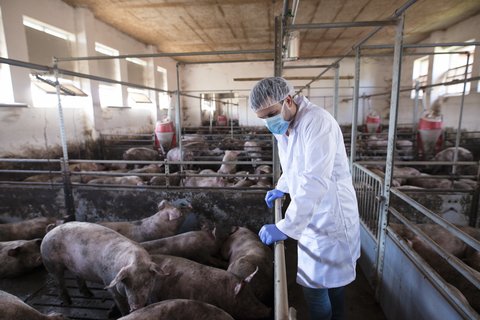
Poultry farming is an important part of Irish agriculture. An outbreak on one farm means culling the flock, restriction zones and lost markets. That's why the authorities try to keep the virus out of commercial premises and bring in restrictions as soon as the risk rises.
The European picture
Ireland isn't alone. Mandatory housing is already in force in England and Northern Ireland, from 23 November in Wales and from 20 November across France. Germany, the Netherlands and Scandinavia are also reporting new outbreaks on farms and cases in wild birds.
Food is safe
Poultry meat and eggs that have been cooked normally are safe. Produce from infected farms doesn't go on sale. The virus is killed by boiling and frying. So you can buy chicken and eggs in the shops without worry, while following the usual kitchen hygiene.
If you walk by the water
Don't go near sick or dead birds and don't let children touch them. Don't feed ducks and swans: it draws the birds into dense flocks and the virus spreads faster. After a walk by the water it's worth washing your boots, especially if you keep hens or other birds at home.
How long the restrictions will last
Mandatory housing usually lasts until spring, when migratory birds have left and temperatures rise. The authorities review the decision as the situation changes. The fewer new cases there are, the sooner the restrictions will be lifted.
Ireland's migratory visitors
Every autumn tens of thousands of swans, geese and ducks arrive in Ireland to winter from Iceland, Greenland, Scandinavia and Siberia. The lakes, rivers and bogs of the midland counties, including Offaly, become their main resting places. The virus arrives on the island with the birds, so the risk to poultry is always higher in winter.
What happens next
Mandatory housing of poultry comes into force in Ireland on Monday 23 November. Veterinary services are continuing to test dead wild birds and monitor farms. The minister has promised to review the measures in light of the situation across the whole island, together with Northern Ireland.
When to see a vet
If several of your hens die suddenly, or your birds stop eating, drinking and laying, or develop a swollen head, contact your Regional Veterinary Office urgently. If your cat or dog has been in contact with a dead bird and develops a temperature, lethargy, difficulty breathing or seizures, see a vet straight away.
Sources
- The Irish Times, 18 November 2026
- The Irish Times, 20 November 2026