Contents
- What happened
- One dog in three
- Gaining weight alongside people
- The big autumn mistake
- The owner is always to blame
- It's not about the type of food
- Owners don't notice
- Why obesity is dangerous
- Joints and spine
- Diabetes in cats
- Heart and breathing
- The pet as a mirror of its owner
- The rib test
- The view from above and from the side
- Photos help
- How to weigh a dog at home
- Treats count
- Neutering and weight
- How much to feed in winter
- Exercise matters
- When a diet is needed
- How to lose weight safely
- The whole family on board
- Pets of sporty owners
- Vets' warning
- Older pets
- What happens next
- When to see a vet
What happened
On 18 November Czech Radio's Central Bohemia station devoted a programme to overweight pets. In the studio were dog and cat nutrition adviser Markéta Horáčková and vet Miloš Havelka, head vet at a practice in Malé Přílepy in the Beroun district. Both said the problem is growing and becomes especially acute in winter.
One dog in three
According to Markéta Horáčková, roughly one in three dogs in Czechia is overweight, and a fifth of dogs are obese. The situation in the Central Bohemian Region is the same as in the country as a whole. “The situation is gradually getting worse, because we like to spoil our dogs and cats,” she said.
Gaining weight alongside people
The radio station notes that pets are putting on weight just like the Czech population as a whole. The more overweight people are, the more often their animals are too. It's linked to lifestyle in general: less exercise, more calorie-rich food and the habit of showing love with food.
The big autumn mistake
Horáčková explains that in autumn many owners reason like this: it's cold outside, so the pet needs more food. But most dogs and cats move less at this time of year: walks are shorter and cats spend more time indoors. “The trend should really be the other way round,” the adviser says.
Český rozhlas; 18 November 2026
The owner is always to blame
Vet Miloš Havelka puts it bluntly: “The owner is always to blame for our pets' obesity.” An animal doesn't open the fridge or buy treats itself. It eats what it's given, as much as it's given. So weight control is entirely in the owner's hands.
It's not about the type of food
According to Havelka, it doesn't really matter whether a dog or cat is fed dry food or something else. “The main thing is that the animal is content, happy and looks good. What food I choose is my decision,” he explains. Excess weight comes not from the type of food but from the amount, and from treats on top.
Owners don't notice
The vet says owners often don't see what shape their pet is in. People see their animal every day and don't notice it gradually putting on weight. That's why a vet should assess a pet's condition at regular check-ups.
Why obesity is dangerous
Excess weight is as dangerous for dogs and cats as it is for people. “Obesity significantly shortens animals' lives. It puts strain on the joints, bones and cardiovascular system and increases the likelihood of diabetes,” Havelka warns. With their love, owners often harm their animal.
Joints and spine
Every extra kilo is carried by the joints. Obese dogs are more likely to develop osteoarthritis, cruciate ligament ruptures in the knee and spinal problems. This is especially dangerous for large breeds and for long-backed dachshunds and corgis. Excess weight makes pain worse, and the dog moves even less.
Diabetes in cats
In cats, obesity is one of the main risk factors for diabetes. Fat cats are several times more likely to develop it. The good news is that in some cats, diabetes can go into remission after weight loss and a switch to the right food, if treatment starts early.
Heart and breathing
Excess weight puts a load on the heart and lungs. An overweight dog finds it harder to breathe, especially in summer and on walks. In flat-faced breeds such as pugs and French bulldogs, obesity worsens breathing problems that are already serious. The risk of complications under anaesthetic also rises.
The pet as a mirror of its owner
Havelka notes that animals' physical condition often reflects that of their owners. “When a family comes in where everyone, from the small children to the parents, is visibly overweight, the animal looks the same. An animal is a reflection of its owner,” the vet says.
The rib test
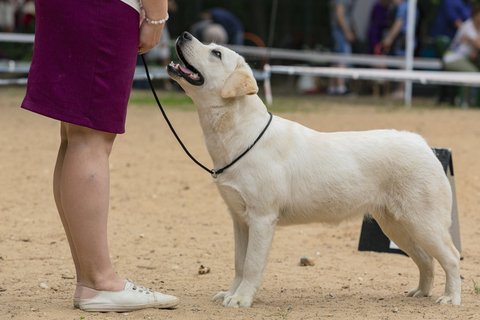
Experts advise checking your pet regularly with your hands. Run your palms along the sides of your dog or cat. The ribs should be easy to feel under a thin layer of fat, but shouldn't stick out. If you have to press harder to find them, the animal is overweight.
The view from above and from the side
Look at your pet from above: there should be a visible waist behind the ribs. From the side, the belly should tuck up from the chest towards the back legs. If there's no waist and the belly sags, or the back is flat and broad, the animal has put on weight. Cats often develop a fatty pouch on the belly.
Photos help
On the programme, the experts discussed why it's useful to photograph your pet regularly. A photo from the same angle once a month helps you see changes you don't notice when you're together every day. It's a simple way to keep an eye on your pet's shape without scales.
How to weigh a dog at home
A small dog or a cat can be weighed like this: stand on the scales yourself, then again holding the animal, and subtract the difference. A large dog is easier to weigh at the vet's or in a pet shop. Write down the weight once a month so you can see the trend.
Treats count
One of the main causes of excess weight is treats. A bit of cheese, sausage or biscuit seems like nothing, but for a small dog it's a noticeable part of its daily calories. Vets advise that treats should make up no more than a tenth of the daily diet, with the main food remaining balanced.
Neutering and weight
After neutering, dogs' and cats' metabolism slows down and their appetite often increases. If portions aren't reduced, the animal quickly puts on weight. So after the operation it's worth discussing with your vet how to adjust the diet and, if necessary, switching to a food for neutered animals.
How much to feed in winter
The amount on the food packet is a guide, not a rule. It's calculated for an average animal with normal activity. If walks are shorter in winter, the portion can be reduced. The exceptions are dogs that spend a lot of time out in the cold or are working dogs: they may need more energy.
Exercise matters
To stop your pet gaining weight, it's not just about feeding less but also moving more. Dogs need daily walks with play, running and sniffing games. Cats can be kept busy with fishing-rod toys, balls and puzzle feeders. Even in the cold season there are ways to keep your pet active.
When a diet is needed
If an animal is already obese, simply cutting the portion isn't enough. A sharp reduction in food can harm its health, especially in cats: in them, going without food risks liver damage. A vet will help work out a safe rate of weight loss and choose a special diet food.
How to lose weight safely
- Have your pet weighed at the vet's and set a target weight.
- Measure food with a measuring cup or on scales.
- Stop giving table scraps and extra treats.
- Add walks and play.
- Weigh your pet every two to four weeks.
The whole family on board
A pet's diet won't work if one family member sticks to the rules and another secretly slips it food. Agree as a family how much food and how many treats the animal gets and who feeds it. Part of the daily food ration can be used as rewards during training.
Pets of sporty owners
The programme also discussed whether dogs and cats whose owners do sport are in better shape. The logic is simple: an active owner takes the dog running and on long walks more often. But here too it's important to watch the portions: even an active dog will gain weight if it's fed too generously.
Vets' warning
Vets in many European countries are seeing the same trend as in Czechia: the share of overweight dogs and cats is growing. Owners often think a chubby pet looks cute and healthy. Vets point out that lean animals live longer on average and get ill less often.
Older pets
As they age, dogs and cats move less and need less energy. If an older pet is fed the same as when it was young, it will gradually put on weight, and the extra kilos will make joint pain worse. Older cats can also have the opposite problem, weight loss due to kidney or thyroid disease. So it's worth weighing older animals especially regularly.
What happens next
Experts advise using the cold season to check your pet's condition and adjust its diet if necessary. A regular check-up at the vet's once a year, and more often for older animals, helps spot excess weight and related illnesses early.
When to see a vet
If your pet's ribs are hard to feel, its waist has disappeared, it tires quickly, breathes heavily, is limping, or has started drinking a lot and urinating often, see your vet. They'll assess its weight, check its joints, heart and blood sugar, and help you draw up a safe weight-loss plan.
Sources
- Český rozhlas Střední Čechy, 18 November 2026