Contents
- What happened
- The main change for pet owners
- How British owners travel with pets now
- Why it's inconvenient
- You can't get the passport yet
- What changes at the border
- British products return
- A common area and common rules
- Why databases matter to vets
- The vets' reaction
- What stays British
- Measures against puppy smuggling
- Why limit the age
- A limit on the number of pets
- If someone else is travelling with the pet
- New rules for microchips
- Breeders and rescues
- Commercial movements of pets
- Animals from non-EU countries
- What it means for owners in the EU
- What doesn't change
- How to prepare for a trip now
- Assistance dogs
- Why it matters for practices
- What happens next
- When to see a vet
What happened
On 20 November, at a UK–EU summit, the two sides concluded a sanitary and phytosanitary (SPS) agreement. SPS rules are the common standards covering animal and plant health, food safety and veterinary checks at the border. The agreement is due to take effect from 1 March 2028, once it has been approved by both sides.
The main change for pet owners
For ordinary owners of dogs, cats and ferrets, the most noticeable change is the return of the reusable pet passport. At the moment, anyone in Britain travelling with a dog to France or Germany has to get a new animal health certificate from a vet before every trip. From March 2028 they'll instead be able to get a single passport and use it for many trips to EU countries.
How British owners travel with pets now
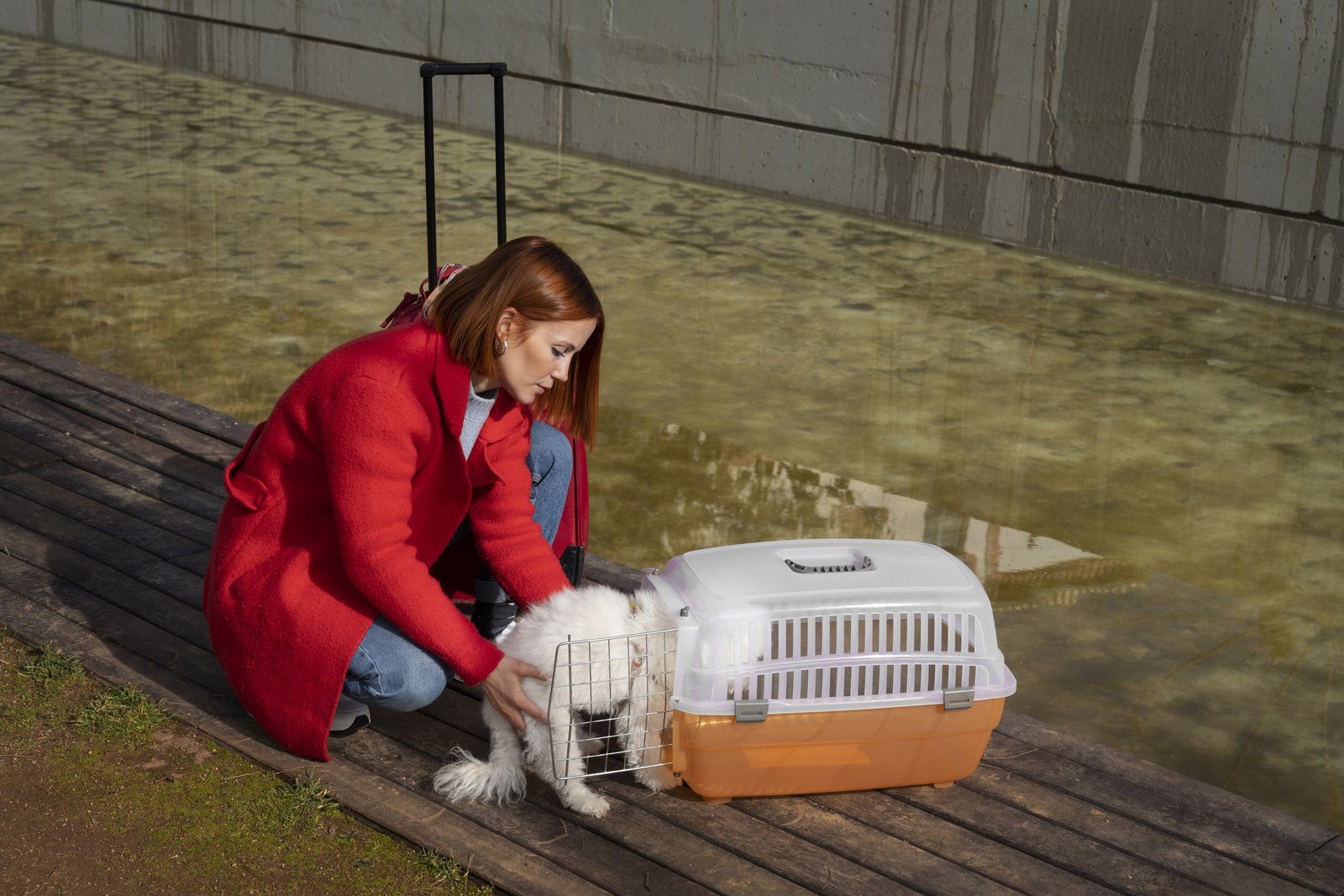
After the UK left the EU, British pet passports stopped being valid for entry to the EU. Owners have to visit a vet a few days before travelling, confirm that their pet has a microchip and an up-to-date rabies vaccination, and get a certificate. It's valid for one trip and a short stay.
Why it's inconvenient
The certificate can only be issued by an official vet, the appointment costs money, and it isn't always easy to get one. For people who travel to Europe often, especially with assistance dogs, this has meant constant visits to the practice and piles of paperwork. The Government acknowledges that the new rules should cut the number of repeat visits and documents.
You can't get the passport yet
An important detail: the reusable passport can't be obtained yet. It will only be usable from 1 March 2028, and the Government has promised to explain how to get one next year. Until then, owners must still get an animal health certificate for each trip from Great Britain to an EU country.
GOV.UK; 20 November 2026
What changes at the border
For businesses, the key change is the end of export health certificates for trade between the UK and EU. The Government estimates this saves up to £200 per document. Physical checks by vets at the border on meat and dairy products, such as sausages, ham and cheese, will also go.
British products return
The EU will reopen its market to British fresh sausages, burgers, seed potatoes and shellfish. Since Brexit they have effectively been impossible to sell into the EU. UK agri-food exports to the EU have fallen by 32.5% since 2019, and the agreement should win back part of that market.
A common area and common rules
The agreement is based on what is known as dynamic alignment: the UK will follow EU rules in this area and update its own rules in line with the EU. In return, British authorities and vets will gain access to the European Food Safety Authority and to European animal disease databases.
Why databases matter to vets
The European systems make it possible to find out quickly about outbreaks of bird flu, African swine fever, bluetongue and other diseases in neighbouring countries. The British Veterinary Association points out that access to these databases is important for disease control and surveillance. Right now, in the middle of the bird flu season, such information is especially needed.
The vets' reaction
The British Veterinary Association called the agreement a positive step that it has long campaigned for. It noted that since Brexit official vets have issued around a million export certificates, and asked for the transition to the new rules to go smoothly without disrupting vets' work.
What stays British
The agreement includes exceptions. The UK will keep its ban on exporting livestock and horses for fattening and slaughter beyond the British Isles. The Government stresses that this allows the country to maintain its high animal welfare standards.
Measures against puppy smuggling
Britain will bring in its own rules against pet smuggling. In particular, it will not be possible to bring dogs and cats under six months old or in late pregnancy into the country. There will be tightly limited exceptions for genuine owners from the EU. These measures will be reviewed after five years.
Why limit the age
Smugglers often transport very young puppies that have been taken from their mothers too early. These puppies get ill, are poorly socialised and sometimes don't survive their first weeks. Pregnant dogs are brought in so that the puppies are born in the country and are easier to sell. The age threshold is meant to make this trade unprofitable.
A limit on the number of pets
The rule on how many animals one person can bring into Great Britain without commercial paperwork will also change. The current limit is five dogs, cats or ferrets per person. As before, it won't apply to animals travelling to competitions, shows or training for them.
If someone else is travelling with the pet
The rules will be tightened for cases where an animal isn't travelling with its owner. Anyone accompanying another person's pet into Great Britain will need the owner's written authorisation, and the animal's journey must take place no later than five days after the owner's.
New rules for microchips
After 1 March 2028 in Great Britain, and from 1 January 2028 in Northern Ireland, microchips implanted in the country will have to carry the code of the country where the animal was first identified. Owners don't need to do anything: animals microchipped before 1 January 2028 aren't affected, and a working chip won't need to be replaced.
Breeders and rescues
The requirements for breeding and selling dogs and cats, and for organisations that rescue and rehome animals, will change. This covers notifying local authorities, licences and standards of care. Most of these rules will take effect from 31 August 2028.
Commercial movements of pets
For commercial movements of dogs, cats and ferrets, export health certificates will be replaced by the EU's intra-trade animal health certificates. Checks will take place at the destination. Transporters will no longer have to carry two sets of paperwork, British and European.
Animals from non-EU countries
The UK will follow EU conditions for importing animals from outside the EU. Pets being brought into the country from, for example, Asia or America will have to meet EU requirements and be checked at British border control posts.
What it means for owners in the EU
Owners from EU countries who travel to the UK can also expect things to get simpler. However, Britain's measures against puppy smuggling will apply to them too, although there are exceptions for genuine owners. Taking a dog across the Channel by car or ferry should become easier in both directions.
What doesn't change
The animal health requirements aren't going away. For trips to the EU, a dog, cat or ferret will still need a microchip and a valid rabies vaccination. Dogs entering some countries, such as Ireland, Finland and Malta, and dogs entering Great Britain itself, need tapeworm treatment.
How to prepare for a trip now
- Check that your pet's microchip can be read and that the database details are up to date.
- Make sure the rabies vaccination will be valid on your travel dates.
- Book a vet appointment well in advance to get the certificate.
- Check the destination country's requirements for parasite treatment.
- Take your pet's veterinary documents and a supply of food with you.
Assistance dogs
The Government specifically mentions owners of assistance dogs, such as guide dogs. The current system is especially burdensome for them: these dogs go with their owner on every trip, and each time a new certificate is needed. The reusable passport should lift this burden and make travel simpler and cheaper for disabled people.
Why it matters for practices
For veterinary practices, issuing travel certificates is a significant part of the workload, especially before the summer holidays and Christmas. The switch to passports will free up official vets' time, but practices will have to get to grips with the new rules. The British Veterinary Association has promised to go through the details of the agreement and pass on its members' views to the Government.
What happens next
The agreement has to go through approval procedures in the UK and the EU. The Government has promised to explain next year how to get a reusable pet passport and to prepare separate guidance for breeders, rescues, transporters and microchip manufacturers. Until 1 March 2028 the current rules apply.
When to see a vet
If you're planning to travel abroad with your pet, see your vet well in advance: they'll check the microchip, the rabies vaccination and the timing of parasite treatment. See a vet urgently if your pet develops vomiting, diarrhoea, lethargy or stops eating while you're travelling.
Sources
- GOV.UK, 20 November 2026
- GOV.UK, 20 November 2026
- Defra Farming blog, 20 November 2026
- British Veterinary Association, 20 November 2026