Contents
- What happened
- The situation two years ago
- New farm statuses
- What restrictions apply
- Most restrictions barely matter
- What bovine viral diarrhoea is
- Why the disease is dangerous
- Lifelong carriers
- Why carriers must be found
- Mucosal disease
- Safe for people
- How Switzerland got here
- How herds are checked
- The last infection
- EU recognition
- Why recognition matters
- The situation in Europe
- The Irish example
- What it means for farmers
- Summer grazing in the Alps
- Why separate herds matter
- Vaccination
- Signs in a herd
- What cattle keepers should do
- Smallholders and hobby keepers
- The role of the cantons
- What happens next
- When to see a vet
What happened
On 19 November Switzerland's Federal Food Safety and Veterinary Office (FSVO) reported on a two-year transition period in the fight against bovine viral diarrhoea. It found that 99.5% of farms in the country are free of the disease. Switzerland has become one of the European countries to have almost completely got rid of the virus.
The situation two years ago
At the start of the transition period, in November 2024, 86.5% of farms had a negligible risk of the disease. In two years the share rose to 99.5%. This is the result of a long-running programme involving farmers, the federal office and the cantonal veterinary services.
New farm statuses
Since 1 November 2026, all cattle farms have been divided into two categories: "BVD-free" and "not BVD-free". At present 204 farms across the country are classed as not free. Clear restrictions on animal movements apply to them.
What restrictions apply
Farms that aren't free can only sell or pass on cattle after a negative test. The exception is transport directly to a slaughterhouse. Animals from such farms can't take part in markets, auctions or shows, or graze in summer on shared Alpine pastures with cattle from other farms.
FSVO, blue News; 19 November 2026
Most restrictions barely matter
The FSVO notes that three-quarters of the farms that aren't free don't move cattle anyway, or only send them to slaughter. For them the new rules change almost nothing. The restrictions are meant to stop the virus getting from these farms into clean herds.
What bovine viral diarrhoea is
Bovine viral diarrhoea is an infectious disease caused by a pestivirus. It's widespread around the world and causes heavy losses in cattle farming. The virus mainly affects cows and bulls, but can also infect other ruminants, such as sheep, goats and deer.
Why the disease is dangerous
In adult cows the disease is often mild or goes unnoticed. The main damage is fertility problems, abortions, the birth of weak calves and lower milk yields. The virus weakens the immune system, so infected animals are more likely to suffer from other infections, such as pneumonia and enteritis in calves.
Lifelong carriers
The most insidious feature of the disease is calves that become infected in the womb at a particular stage of pregnancy. They're born as persistently infected (PI) animals and shed huge amounts of virus throughout their lives. Such calves may look healthy, but they infect the whole herd.
Why carriers must be found
It's the PI animals that keep the disease going in herds. If they're found and removed from the herd, the chain of infection is broken. That's why eradication programmes are based on testing every calf and removing carriers. This is the path Switzerland took.
Mucosal disease
PI animals can develop what is known as mucosal disease. This is a severe form with ulcers in the mouth and gut, profuse diarrhoea and a high temperature. It is almost always fatal. Mucosal disease most often occurs in young animals aged between six months and two years.
Safe for people
The FSVO stresses that the BVD virus is harmless to people. Milk and meat from cows on farms that aren't free pose no health risk. The problem is purely veterinary and economic: the disease reduces animals' productivity and welfare.
How Switzerland got here
Switzerland's fight against BVD goes back a long way. In 2008 the country launched an eradication programme with testing of every calf. In 2023 the cattle industry, the federal office and the cantonal veterinary services agreed on joint action to eradicate the disease for good.
How herds are checked
All farms are now tested every year using milk and blood samples. If antibodies or virus are found, vets look for the source, test the animals and identify carriers. As a result, even isolated cases are detected quickly and prevented from spreading.
The last infection
The last infection with the virus in Switzerland was recorded at the end of March 2026. There have been no new cases since then. This is an important starting point for the next steps, including recognition by the European Union.
EU recognition
Switzerland wants the EU to officially recognise the country as free of BVD. For that, the last infection must have occurred at least 18 months earlier. If there are no new cases, Switzerland will be able to apply in September 2027. Until then, annual testing of all herds will continue.
Why recognition matters
Official disease-free status makes cattle trade with the EU easier. Countries and regions with that status can require imported animals to be free of the virus too. This protects their herds from reintroduction of the disease and increases the market value of their cattle.
The situation in Europe
Many countries have similar programmes. Germany, Austria, the Scandinavian countries and Ireland have been fighting BVD for years. Some EU countries and regions already have official disease-free status, and others are on the way. Switzerland could soon join them.
The Irish example
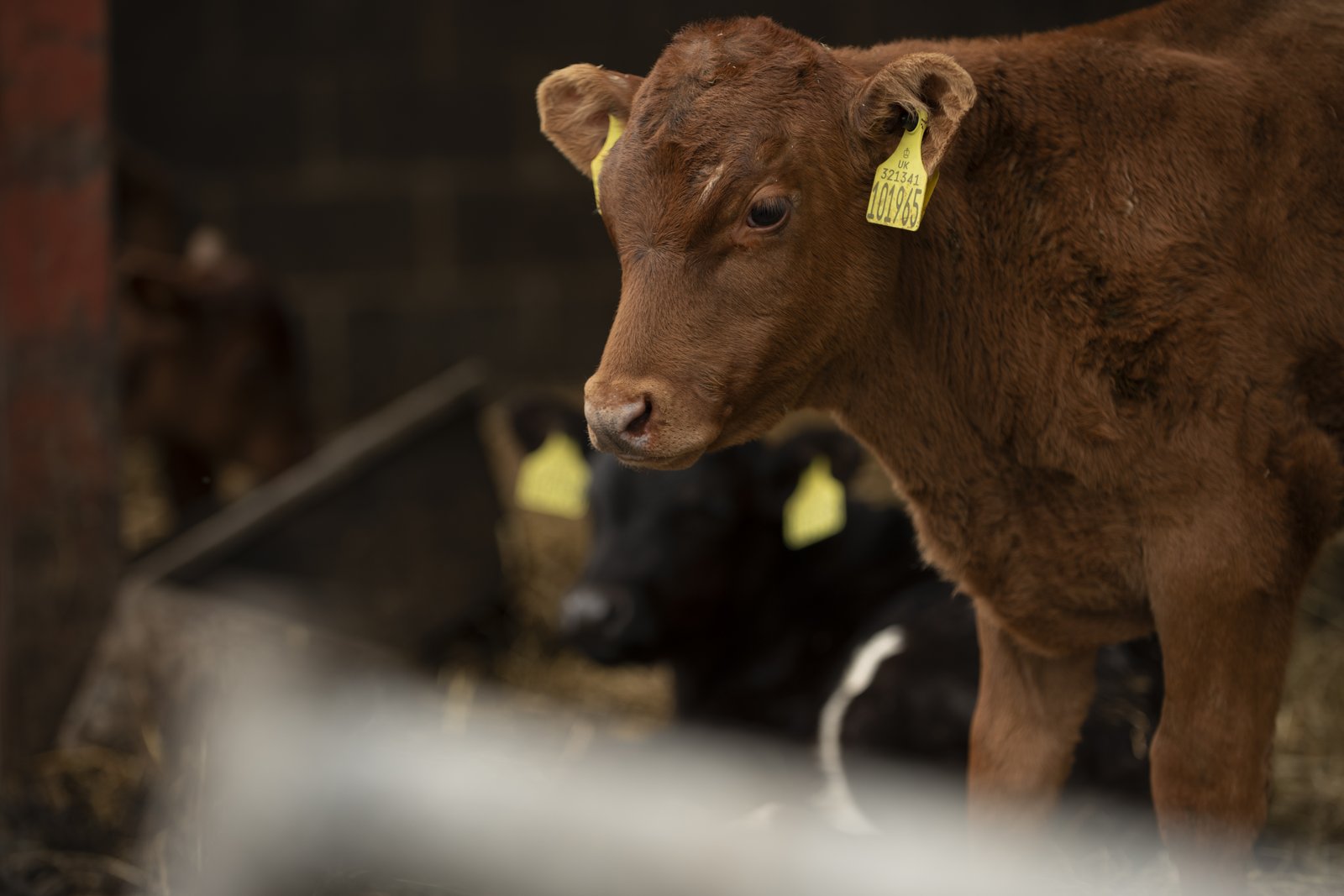
Ireland has also long been tackling BVD and tests calves using a sample of ear tissue taken when the tag is applied. This technique makes it possible to find PI animals quickly. The experience of Ireland and Switzerland shows that testing every animal is the most reliable route to eradication.
What it means for farmers
For farmers, eradicating the disease means fewer abortions, healthier calves and stable milk yields. Vets estimate that BVD causes significant losses on farms that often go unnoticed because the disease is hidden. Once it has been eradicated, the savings become noticeable.
Summer grazing in the Alps
For Switzerland, the ban on shared summer grazing is particularly important. In summer, cattle from many farms are moved up to high Alpine pastures, where animals from different herds graze together. If a virus carrier gets into such a herd, it can infect pregnant cows from many farms at once.
Why separate herds matter
Even one PI animal on a shared pasture can trigger outbreaks on dozens of farms. So a farm's status is now directly linked to its right to take part in shared grazing, fairs and shows. This encourages farmers to remove carriers faster and have their herds tested.
Vaccination
Some countries use vaccines against BVD to protect pregnant cows and prevent the birth of carriers. Switzerland relies on testing and removing carriers without mass vaccination. This approach makes it possible to track more precisely whether a herd is free of the virus.
Signs in a herd
BVD may be suspected in a herd when there are frequent abortions, weak or deformed calves, frequent illness in calves, falling milk yields and poor conception rates. Sometimes individual animals have diarrhoea, mouth ulcers and a high temperature.
What cattle keepers should do
- Have your herd tested for BVD under your country's scheme.
- Buy animals only from tested herds.
- Quarantine and test new animals.
- Keep an eye on abortions and calf illnesses.
- Discuss a herd health plan with your vet.
Smallholders and hobby keepers
The rules apply to everyone who keeps cattle, even a few cows or calves for their own use. Hobby keepers who buy a calf from a neighbour or at a market should make sure it comes from a farm with BVD-free status. A single carrier can ruin the status of the whole farm.
The role of the cantons
In Switzerland, veterinary control is largely in the hands of the cantons. Cantonal veterinary services monitor farm status, organise sampling and enforce the restrictions on farms that aren't free. The federal office is responsible for the common rules and brings together data from across the country. This division of labour makes it possible to respond quickly to local cases without waiting for decisions from Bern.
What happens next
Annual testing of all herds using milk and blood samples will continue in Switzerland. If there are no new cases by September 2027, the country will apply to the EU for official recognition. Farms that aren't free will need to find and remove their carriers to gain free status.
When to see a vet
If your herd has more abortions than usual, weak calves are being born, calves often get diarrhoea and pneumonia, or a cow has mouth ulcers and severe diarrhoea with a temperature, contact your vet. They will take samples and test the herd for BVD and other infections.
Sources
- blue News, 19 November 2026