Contents
- What happened
- Timeline
- Measures on the farm
- A prevention zone across the country
- Gatherings banned
- What the minister said
- What the chief vet said
- Registering birds
- Dead wild birds
- Risk to people
- Wales
- What Wales requires
- England and Scotland
- Bluetongue in Northern Ireland
- Why the virus is arriving now
- What keepers should do
- Signs in birds
- Ducks and geese
- Hobby keepers
- Compensation
- Cats and dogs
- What this means for Europe
- Why the measures come at the same time
- How long it will last
- Where Coagh is
- How the zones work
- Northern Ireland's poultry industry
- What happens next
- When to call a vet
What happened
On 16 November Northern Ireland's Department of Agriculture, Environment and Rural Affairs (DAERA) confirmed highly pathogenic bird flu on a commercial poultry farm near the village of Coagh in County Tyrone. Minister Andrew Muir announced measures on the farm and a decision to bring in a special regime for all poultry in Northern Ireland.
Timeline
Suspected bird flu was reported late on the evening of Saturday 14 November. Specialists began their investigation early on Sunday 15 November. On 16 November the national reference laboratory at Weybridge in England confirmed the highly pathogenic virus.
Measures on the farm
Chief Veterinary Officer Brian Dooher put compulsory disease control measures in place. All birds on the farm are being humanely culled. According to local media, almost 24,000 birds are involved. A 3 km protection zone and a 10 km surveillance zone have applied around the farm since 5pm on 16 November.
A prevention zone across the country
From 00:01 on Thursday 19 November, an Avian Influenza Prevention Zone comes into force across Northern Ireland. Enhanced biosecurity is mandatory, and all poultry and other captive birds must by law be housed or otherwise kept separate from wild birds.
DAERA, Welsh Government; 16–17 November 2026
Gatherings banned
Under the prevention zone, gatherings of galliforme birds (pheasants, partridges, quail, chickens, turkeys and guinea fowl), anseriforme birds (ducks, geese and swans) and other poultry are banned. This means bird shows, fairs and market sales in Northern Ireland are temporarily suspended.
What the minister said
“I understand the concern this will cause,” Andrew Muir said. He stressed that all bird keepers, from hobbyists with a few hens to large farms, must strictly follow biosecurity rules. He said the outbreak could have a devastating impact on affected businesses and on the sector as a whole.
What the chief vet said
“Disease control measures are necessary to limit its potential spread,” Brian Dooher said. He urged all bird keepers to take every step to protect their flocks and to report any suspicion of bird flu to DAERA immediately.
Registering birds
DAERA reminds keepers that all poultry in Northern Ireland must be registered, even small flocks. That way the department can contact keepers directly about new measures. A text alert service on bird flu is also available for keepers.
Dead wild birds
People are asked to report dead waterfowl (swans, geese and ducks) and gulls, as well as five or more dead birds of other species in the same place. DAERA has an online form for this. Such reports help track the virus in wild birds.
Risk to people
The Public Health Agency in Northern Ireland has confirmed that bird flu is primarily a disease of birds and that the risk to the public is very low. The Food Standards Agency reminds people that properly cooked poultry and eggs are safe to eat.
Wales
On the same day, from midday on 16 November, Wales introduced a prevention zone. Bird flu hasn't been confirmed in poultry in Wales this autumn, but the risk of the virus arriving from wild birds has risen. So mandatory biosecurity measures have been introduced, but not a housing order.
What Wales requires
In Wales keepers must follow enhanced biosecurity rules, including keeping domestic ducks and geese separate from other poultry. The Welsh Government judged that there were not yet grounds for a housing order or a ban on gatherings, but the situation is under constant review.
England and Scotland
England introduced a national prevention zone on 11 November, and since 13 November housing has been compulsory for keepers with 50 or more birds and for those who sell eggs or birds. Scotland introduced a prevention zone on 10 November. All parts of the UK are now under heightened protection.
Bluetongue in Northern Ireland
Northern Ireland's veterinary services are also keeping an eye on other diseases. On 13 November bluetongue virus serotype 3 was confirmed in three sheep in County Down. No new movement restrictions were introduced, because the virus was already present in Northern Ireland in 2025.
Why the virus is arriving now
In autumn, wild geese, ducks and swans arrive in Northern Ireland and Great Britain from northern regions. They bring the virus, which reaches poultry through droppings, water and feed. Cool, damp weather helps the virus survive longer in the environment.
What keepers should do
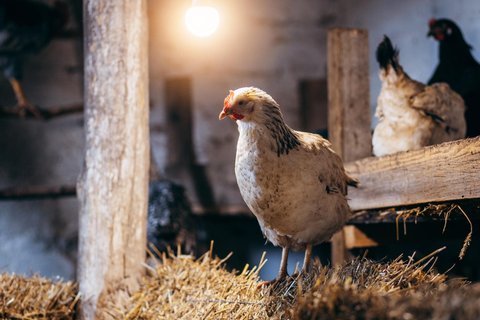
Keep birds indoors or under netting so they have no contact with wild birds. Store feed and water inside. Change your footwear and clothing before going in to your birds, wash your hands and keep visitors out. Check regularly for gaps through which birds or rodents could get in.
Signs in birds
- Sudden deaths.
- Dullness and ruffled feathers.
- Refusing food and water.
- Swelling of the head, blue comb.
- A drop in egg production and difficulty breathing.
Ducks and geese
Domestic ducks and geese can carry bird flu with hardly any signs while shedding the virus. That's why in Wales they must be kept apart from other poultry, and in Northern Ireland this is also recommended. It's especially important to keep them away from ponds visited by wild waterfowl.
Hobby keepers
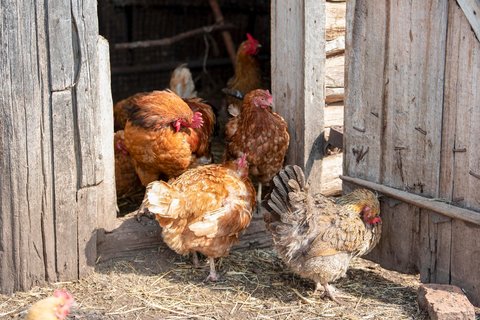
Many people in Northern Ireland keep a few hens for eggs. The new rules apply to them too. If keeping hens in a closed building is difficult, a run with a roof and netting that wild birds can't get through can be used. The key is to prevent any contact with wild birds and their droppings.
Compensation
Keepers whose birds are culled on the authorities' orders usually receive compensation for the value of healthy birds, provided they have followed the rules. Those who break the rules or conceal disease can be fined. So it's best to report suspicions straight away.
Cats and dogs
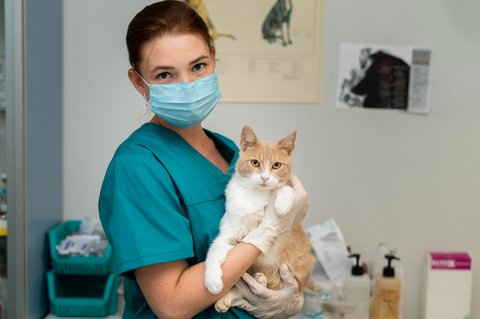
Bird flu can also infect mammals, including cats and dogs, if they eat sick or dead birds. Don't let your pets touch dead birds on walks or in the garden. If your cat hunts birds, it's best kept indoors during the high-risk season.
What this means for Europe
Almost all of northern Europe is now on heightened alert for bird flu. Sweden has introduced high-risk zones, Germany and the Netherlands have ordered poultry to be housed in many areas, and Norway is battling a major outbreak on farms. The rules for keepers are similar everywhere.
Why the measures come at the same time
Wild birds fly between countries within hours, so the virus appears almost simultaneously in different parts of Europe. Veterinary services share data through the European Commission and the World Organisation for Animal Health. It's no coincidence that measures are timed similarly in different countries.
How long it will last
Prevention zones and housing orders usually stay in place until spring, until the risk falls. The authorities review them as new data come in. Keepers should be prepared for their birds to spend several months under cover.
Where Coagh is
Coagh is a small village in County Tyrone, not far from the western shore of Lough Neagh, the largest freshwater lake in the British Isles. Tens of thousands of wild waterfowl spend the winter on and around the lough. That's why farms in this area are particularly vulnerable to the virus brought in by wild birds.
How the zones work
In the 3 km protection zone, vets inspect all premises with poultry, and movements of birds, eggs and manure are banned without a licence. In the 10 km surveillance zone, restrictions are lighter, but movements are still controlled. The zones are lifted once checks show the virus hasn't spread.
Northern Ireland's poultry industry
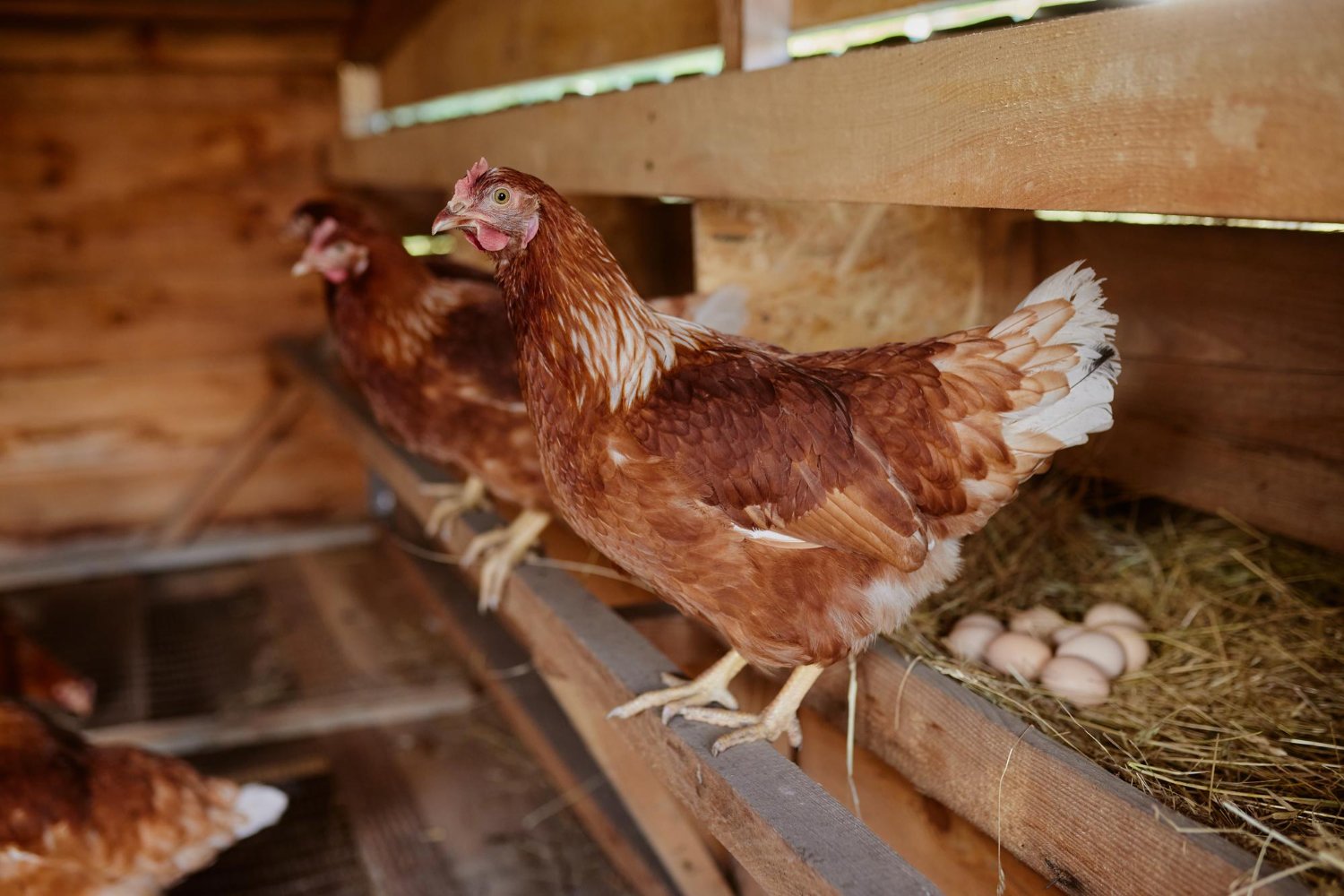
Poultry farming is one of the most important parts of agriculture in Northern Ireland. There are many large broiler and laying hen farms supplying Great Britain and other countries. So every outbreak threatens not only the loss of birds but also trade restrictions.
What happens next
Culling and disinfection are continuing on the farm in Tyrone. Vets are inspecting premises in the 3 km and 10 km zones. DAERA has said it will publish the full prevention zone rules on its website before 19 November.
When to call a vet
If your birds suddenly start dying in greater numbers, become dull, develop swelling of the head or breathing difficulties, stop laying or refuse food, notify the veterinary authorities and call a vet straight away. Take your cat or dog to the vet urgently if it becomes lethargic or unsteady after contact with a dead bird.
Sources
- DAERA, 16 November 2026
- Raptor Persecution UK, 17 November 2026