Contents
- What happened
- A swan in Trier
- The first in the state this autumn
- Hens in North Frisia
- No restriction zones
- Housing order
- The FLI forecast
- How the virus reaches poultry
- Strict biosecurity
- How to secure a henhouse
- Small flocks
- Registering poultry
- Signs of disease
- Ducks and geese
- Wild birds
- Dogs and cats
- Risk to people
- What happens in an outbreak
- The situation in Germany
- Why there are so many cases this year
- Poultry shows
- What this means for Europe
- Neighbouring countries
- Who the LUA and FLI are
- Swans as a warning sign
- Town ponds
- What happens next
- When to call a vet
What happened
On 16 and 17 November new cases of bird flu were confirmed in the west and north of Germany. In Trier the virus was found in a swan, the first officially confirmed case in Rhineland-Palatinate this autumn. In North Frisia, in Schleswig-Holstein, the virus again reached a private flock where hens died.
A swan in Trier
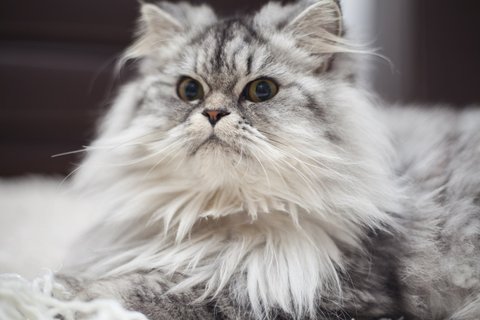
The Rhineland-Palatinate state investigation office (LUA) confirmed the highly pathogenic H5N1 subtype in a swan in Trier. Samples were also tested by the Friedrich Loeffler Institute (FLI), Germany's main veterinary research centre. According to local media, the swan was found at the Mattheiser Weiher pond in the city.
The first in the state this autumn
For Rhineland-Palatinate, it is the first officially confirmed case of bird flu this autumn. The state's veterinary services are working closely together, and the LUA is testing samples as a matter of urgency. The aim is to prevent outbreaks on the state's poultry farms, many of which keep free-range hens.
Hens in North Frisia
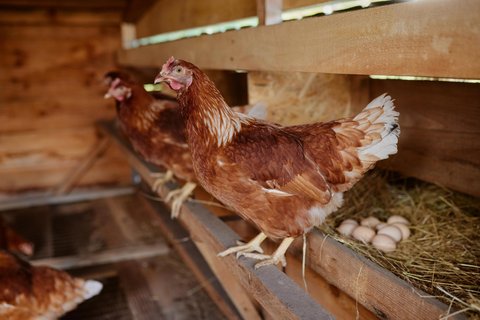
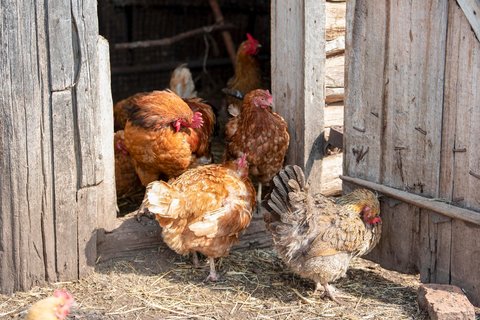
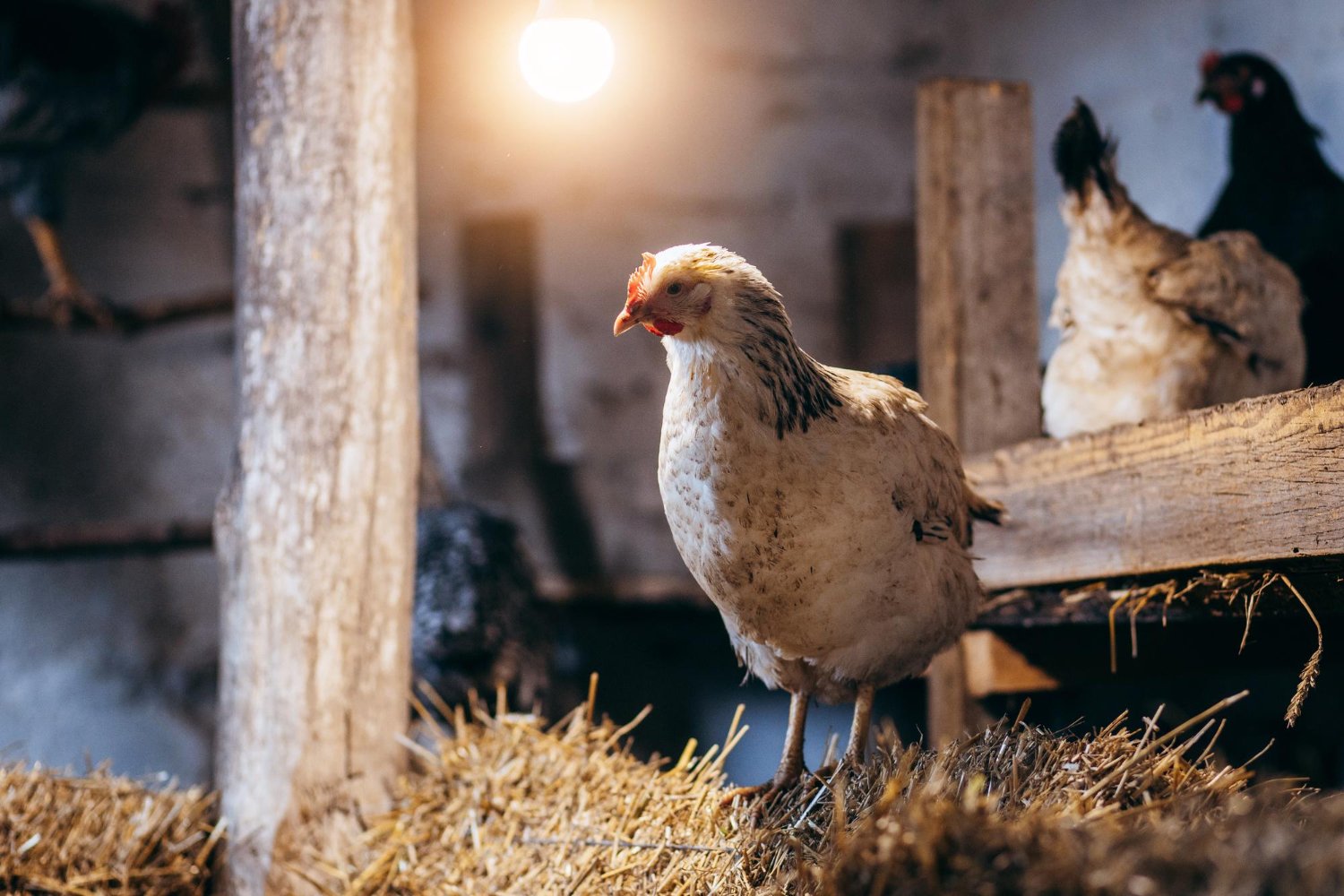
In the district of North Frisia, in the north of Schleswig-Holstein, the virus has again been found in the Südtondern area. In a private flock, 11 hens died over the weekend. To stop the spread, the remaining birds were culled. The flock had 24 hens and 24 ducks in total.
Blick aktuell, NDR; 17 November 2026
No restriction zones
Usually a protection zone and a surveillance zone are set up around an outbreak. Here the veterinary office decided against them because the flock was very small. Instead, it urged all poultry keepers in the district to follow strict hygiene and protect their birds from contact with wild birds.
Housing order
In North Frisia, a housing order has been in force since late October for coastal areas, islands and the Halligen, small islands in the Wadden Sea, as well as for flocks of 50 or more birds. In Schleswig-Holstein such an order applies in four districts.
The FLI forecast
The Friedrich Loeffler Institute expects the number of bird flu cases in poultry and wild birds in Germany to rise in November. Autumn migration brings thousands of wild ducks, geese and swans into the country, and the cool weather helps the virus survive longer in the environment.
How the virus reaches poultry
Most infections in poultry result from direct or indirect contact with wild birds. The virus is present in the droppings, feathers and secretions of sick birds. It can be carried into a henhouse on boots, wheelbarrow wheels, or in feed or bedding that wild birds have had access to.
Strict biosecurity
Veterinary services advise protecting feed and bedding from wild birds, limiting access to poultry for outsiders, and washing and disinfecting hands and equipment thoroughly. It's a good idea to change footwear and wear separate clothing before going in to your birds. These rules matter for large farms and for a couple of hens in the garden alike.
How to secure a henhouse
Solid fences, sturdy roofs and well-closed walls stop wild birds coming into contact with poultry. When birds are let out, feed and water must not be accessible outside the henhouse. It's especially important to keep wild ducks and geese away from ponds and drinkers used by your poultry.
Small flocks
The North Frisia case shows that bird flu isn't only dangerous for large farms. In small flocks the virus is often noticed late, when many birds have already died. Keepers of just a few hens are also required to register their birds and follow the rules.
Registering poultry
In Germany, anyone who keeps chickens, ducks, geese or turkeys must register them with the veterinary office, even if they only have a few birds. This means that in an outbreak the office can quickly warn all keepers in the danger zone and check their birds.
Signs of disease
- Several birds dying suddenly.
- Dullness, refusing food and water.
- A sharp drop in egg production.
- Breathing difficulties, swelling of the head.
- Twisted neck, staggering, seizures.
Ducks and geese
Ducks and geese can carry bird flu with hardly any signs while shedding the virus. That's why they're best kept apart from chickens and turkeys. If you have a mixed flock, watch your chickens especially closely, as they become more seriously ill.
Wild birds
Don't touch dead or sick wild birds, so as not to spread the virus. Report finds, especially of swans, geese, ducks and gulls, to your local veterinary office. Specialists will collect the bird for testing. Such finds help detect the virus in a region in good time.
Dogs and cats
The FLI warns that mammals can be infected too, for example foxes that eat the meat or carcasses of infected waterfowl. So don't let dogs and cats touch dead birds. On walks by water during the high-risk season, dogs are best kept on a lead.
Risk to people
The Robert Koch Institute considers the risk of infection for people to be very low. Infections have only occurred after very close contact with sick birds. Meat and eggs from the shops are safe. Anyone looking after poultry should wash their hands and not handle sick birds without gloves.
What happens in an outbreak
If the virus is confirmed on a farm, all the poultry on the premises are culled and zones are set up around it with restrictions on moving poultry and products. Keepers who have followed the rules receive compensation from the animal disease fund. Concealing disease is dangerous both for others and for the keeper.
The situation in Germany
This autumn bird flu has been found in many German states. Various districts have introduced housing orders, including Saxony-Anhalt because of an outbreak in neighbouring Brandenburg. Veterinary services are updating restrictions almost daily, so poultry keepers should follow announcements from their own district.
Why there are so many cases this year
Experts attribute the rise in cases to the intense circulation of the virus in wild birds across Europe. In recent years bird flu has stopped being only a winter problem: the virus is found in summer too. That makes protecting poultry an ongoing task rather than a measure for a few weeks.
Poultry shows
During high-risk periods, some districts ban or restrict shows of chickens, ducks and pigeons. Keepers planning to attend a show should check their veterinary office's decisions in advance. Shows are one of the places where diseases easily pass between flocks.
What this means for Europe
Germany lies at the centre of wild bird migration routes, and outbreaks here often coincide with rising cases in the Netherlands, Denmark, Poland and France. The rules for poultry keepers are similar across Europe: housing in risk areas, protecting feed and water, registration and prompt reporting of suspected cases.
Neighbouring countries
Neighbouring countries also have many cases this autumn: outbreaks on farms in the Netherlands, Poland and Scandinavia, and new finds in wild birds. Many countries have introduced nationwide housing orders. Bird flu knows no borders, which is why measures are coordinated at EU level.
Who the LUA and FLI are
The LUA is Rhineland-Palatinate's state investigation office, which carries out laboratory testing for animal diseases and food safety. The Friedrich Loeffler Institute is the federal research institute for animal health on the island of Riems and the national reference laboratory for avian influenza. Final confirmation and subtyping are done by the FLI.
Swans as a warning sign
Swans are often the first to show that the virus has arrived in a region: they are large, conspicuous and frequently die of bird flu. Finding a dead swan on a town pond is a signal for local services to step up surveillance of wild birds and warn poultry keepers.
Town ponds
In towns, wild ducks, geese and swans live close to people and dogs. Don't feed birds on ponds during the high-risk season: feeding brings many birds together in one place and helps the virus spread. Children should be told not to touch birds or feathers.
What happens next
The veterinary services in Rhineland-Palatinate and Schleswig-Holstein are continuing to sample wild birds and monitor flocks. If the virus is found in poultry in or near Trier, additional restrictions may be introduced. The FLI will update its risk assessment.
When to call a vet
If several of your hens, ducks or geese suddenly die, or they become dull, refuse food, stop laying, or develop breathing difficulties, swelling of the head or a twisted neck, notify your veterinary office straight away and call a vet. Don't move birds or sell eggs until they have been examined.
Sources
- Blick aktuell, 17 November 2026
- NDR, 17 November 2026